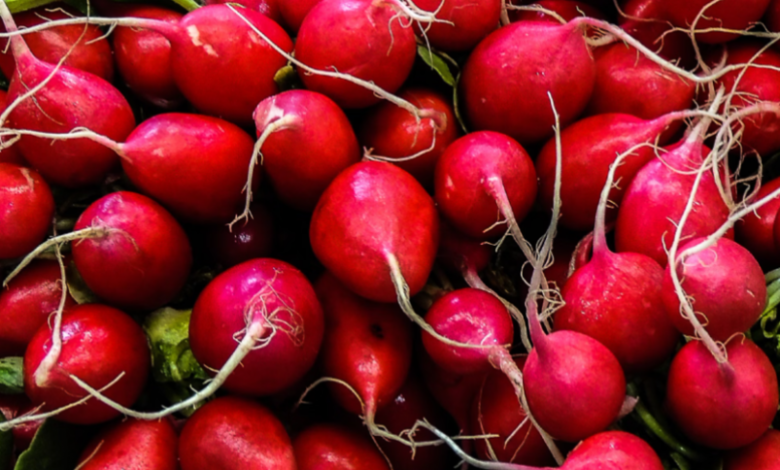
Radis is one of the most old and unpretentious cultures in the garden. However, even among experienced gardeners, it sometimes grows small, hollow or goes into the arrow. To get really large, juicy and crispy root crops, it is important to know several key care secrets.
Correct place and soil: Half of success
Radis loves the sun, but does not stand the heat. It grows best in light fertile soil with good drainage and neutral acidity. Before planting, the bed should be dug up and add a little humus (but not fresh manure, so as not to cause deformation of the fruit).

Radis should not be planted in one place for two years in a row. The best predecessors are legumes, cucumbers, potatoes.
Watering
Radis loves moisture, but does not like waterlogging. The soil should always be slightly moist, especially during the formation of root crops. With a lack of moisture, the radishes become bitter, hard and quickly goes in color.
Watering recommendations:
- Water every other day, and in the heat every night
- Use warm defended water
- Better drip irrigation or neat irrigation at the root.
Subsy
Many ignore thinning, but in vain. If the seedlings grow too densely, radishes stretch and smaller. It is necessary to thin out 5-7 days after the seedlings, leaving 3-5 cm between the plants.
Top dressing
Radis does not need abundant fertilizers. Excess nitrogen will lead to the active growth of tops to the detriment of root crops.
Useful top dressing scheme:
- 7 days after germination, use ash infusion or a weak solution of potassium fertilizers
- If the soil is poor, then a solution is required based on a nettle infusion every 10 days
Protection against pests
The main enemy of the radish is a cruciferous flea. She rises the holes in the leaves, weakening the plant.
Natural ways of struggle:
- oligation of ash or tobacco dust
- the aisles can be mulched with coniferous sawdust or garlic top
- Early sowing is another way to get away from the peak of pest activity
Seite Radis in several visits, every 10-14 days. This will make it possible to get a crop throughout the season, and not at a time.