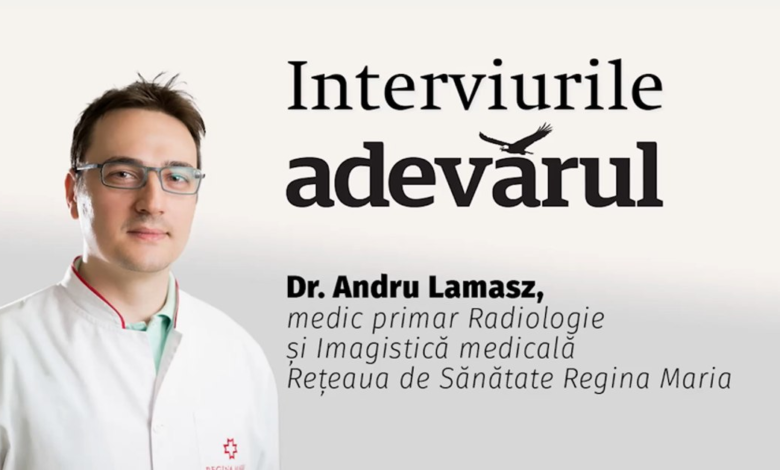
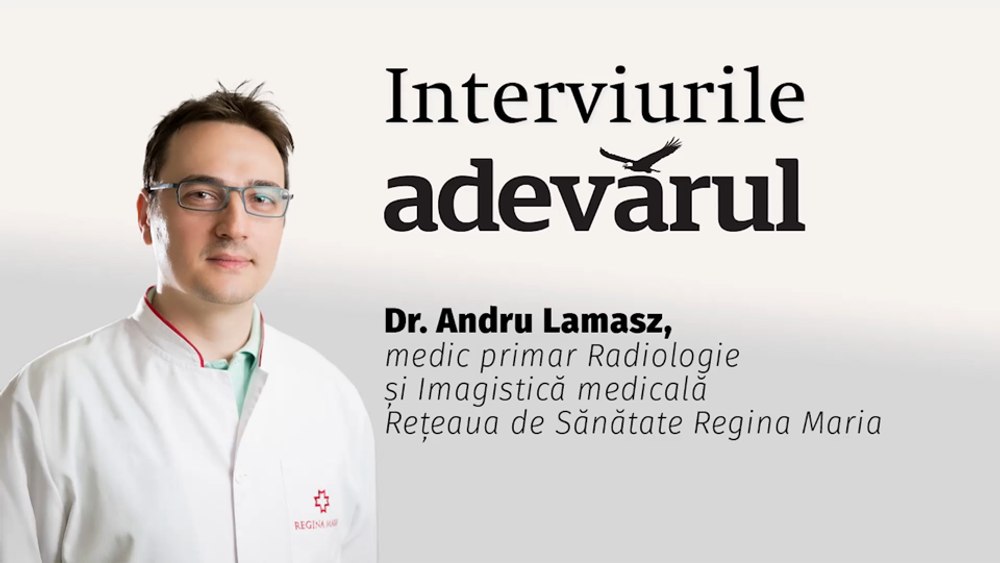
The Low Dose technology explained by Dr. Andru Lamasz, primary radiology and medical imaging doctor Regina Maria

In the era of modern imaging, the accuracy of the diagnoses goes hand in hand with the patient's safety. One of the major concerns in medical imaging is radiation exposure, especially in patients who require repeated investigations, children, pregnant women or people with chronic conditions.
Although computerized tomography (CT) provides essential details for diagnosis, the radiation dose remains a sensitive topic.
That is why, advanced technologies that allow the substantial reduction of exposure without compromising the quality of the images are increasingly sought after.
One of the most promising innovations in this is the technology Low dosealready used in the network of Regina Maria. It integrates intelligent algorithms, state -of -the -art imaging systems and optimized protocols, in order to protect the patient and at the same time provide clear and safe diagnostic information.
At the interviews Adevărul, the primary radiology and medical imaging doctor within the Regina Maria health network, Dr. Andru Lamasz explains the low dose technology.
From the specialist you are:
What does the “low dose” technology in medical imaging mean?
How does this technology manage to reduce radiation exposure without losing the image quality?
For what types of investigations is this technology most useful?
How significant is the radiation dose reduction compared to conventional methods?
Is low dose low dose technology in particular to certain categories of patients (children, pregnant women, patients with chronic diseases)?
How do patients perceive this technology? Is there fear of radiation among them?
Are there any limitations or challenges in using low dose technology in everyday practice?
In what way does this technology help the work of the radiologist? Is it easier or more difficult to interpret a low dose image?
How do you see the future of medical imaging in the context of technological evolution? Can we expect completely non-invasive investigations in the near future?
What are the applications in the field of medical imaging and how do they contribute to the diagnosis and treatment of patients?
Can you compete with the human mind and replace radiologists?
Video Edition Interviews Adevărul supported by the Regina Maria Health Network