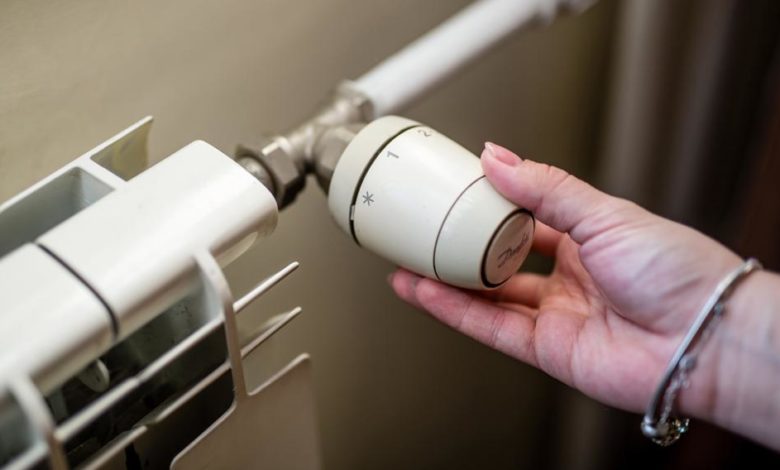
Heating expects from the Ministry of the climate to quickly indicate the directions of sector transformation and changes in tariffs for heat that will facilitate the final of the investment – the Polish Heating Chamber pointed out. According to the chamber, after July 1 this year. heat prices for end recipients may increase.
“We need huge outlays for investments in connection with the transformation in the perspective of 2030-2050” – said Polish Heating Chamber (IGCP) Jacek Szymczak during the press conference on Monday. In his opinion, we must also change the law because the tariff model (regarding heat fees – PAP) has been in force for over 25 years. “It is high time to change it in a fundamental way to meet market conditions,” he emphasized.
Representatives of the Chamber calculated that A full transformation of the system heating sector, including the modernization of production and transmission network sources, will require at least PLN 300 billion until 2050
The president of Ciechanów Ciechanów, Małgorzata Niechępska, pointed out that heating must face economic barriers related to the level of tariffs formed on the limit of enterprises. This has so far prevented heating rooms to accumulate funds that would allow the investment to be carried out – as she assessed – very capital -intensive.
“As a Ciechanów heat and power plant, we used EU funds in which the level of funding under the subsidy was high – when it comes to heating networks – up to 85 % at the moment the new EU regulation limited these finishes to 30-40 percent.” – noticed Niepępska. She added that the higher the subsidy, the lower the heat prices for final recipients, because the cost of external capital is lower. And in this direction – in her opinion – there should be changes in the finance of heating to maximize the share of funds in the form of subsidies and reduce the interest rate on loans and loans to a minimum for the industry. She emphasized that heating plants would be able to reduce investment risk.
Niemępska pointed out that heating is also struggling with a lack of strategy that would determine the directions of industry transformation. “We rely on the directions that the Red Directive, Loads related to the ETS, are set, but the fact that there are no strategic documents at the national level that would show us clear directions of transformation at 10-15 years causes us to make all the decision -making risk to companies” – emphasized Niepępska.
“The steam -gas block at Siekierki in Warsaw will be adapted to the burning of biomethane, but if it starts to operate, the biomethane will be available? If it is not there, we will not meet the requirements of transformation” – said the fear of the president of Orlen Termi, Andrzej Gajewski. He added that the company has a similar dilemma with making decisions about investments in other sources of heat production, e.g. based on waste heat or energy warehouses.
Industry representatives announced on Monday that the Ministry of the Climate and Environment moved the meeting on the strategy for heating, which was to take place this week, on June 30 this year. The president of IGCP Jacek Szymczak pointed out that the Chamber had already submitted to the Ministry a document with the sector proposals regarding the solutions that should be in the strategy.
“Our attention to the final recipient manifests itself in postulates related to the greatest possible provision of cheap capital for investments in the industry transformation,” Niepępska pointed out.
The Chamber stated that the system heating sector provides heat energy to 15 million recipients in Poland.
Based on the study conducted by the Chamber at the sample of 546 local heating systems, it was estimated that from July 1 this year. – After the act is in force protecting recipients against increases – “real heat prices will affect 56 percent of systems”. The Chamber calculated that price increases can reach from several dozen percent, depending on the location or technology used in the production of heat.
The mechanism limiting the increase in heat prices for authorized recipients was extended last year to June 30, 2025.
“In the period of heating transformation, therefore, protective measures for recipients, but those at risk of energy poverty, are needed, not all” – noted Szymczak.
May 12 this year. The Ministry of the Climate and Environment has published the most important components of “Heating Transformation Strategy until 2040”. The ministry assumes electrification of heating, including Transition to non -emission technologies such as heat pumps, solar collectors, electrode boilers.
The assumptions of the strategy for heating also included the digitization of heating systems and a change in the tariff model to adapt the regulations to enable more fully use of renewable sources in heating. (PAP)
(We plan to continue the topic)
AB/ pad/ lm/