How we get to eat stupid and much from “a collective trauma”. “Sometimes we are not aware of what we do”

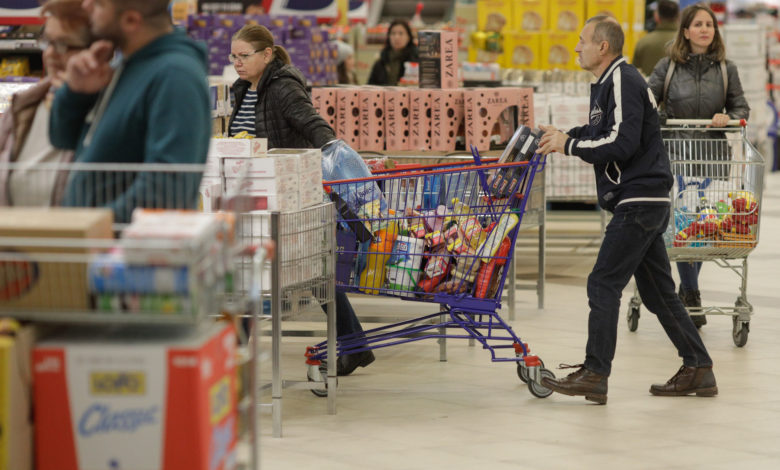
The tails in communism, the lack of time and the obligation to eat everything from the plate under the emotional blackmail of the parents. All this was made a pot-related trauma pot transmitted from generation to generation, which also led to food disorders. How do we change that?
Romanians end up throwing 70 kilograms of food a year, shows an estimate on food waste. But food waste is not the only problem, but also the relationship with food. So we get to buy a lot, to be. Then we get to eat more, because it is. Or on an emotional background.
We suffer from a collective trauma, said the anthropologist Vintilă Mihăilescu, which we took from our parents and grandparents from the years of communism, when nothing was enough and was in line for food.
This trauma has been perpetuated by various family habits in everyday life. That's how we get to make stocks. It's a fear that we don't have enough or it's over too quickly.
How can we change our habits
“Everything comes from the fact that we associate the food with some very strong negative feelings. The negative feelings remain with us much longer and dig deeper than those positive. Sometimes we are not aware of them, but there are things we have heard many times and create a pattern Emotional that cannot be changed so easily, ”says journalist Georgiana Ilie.
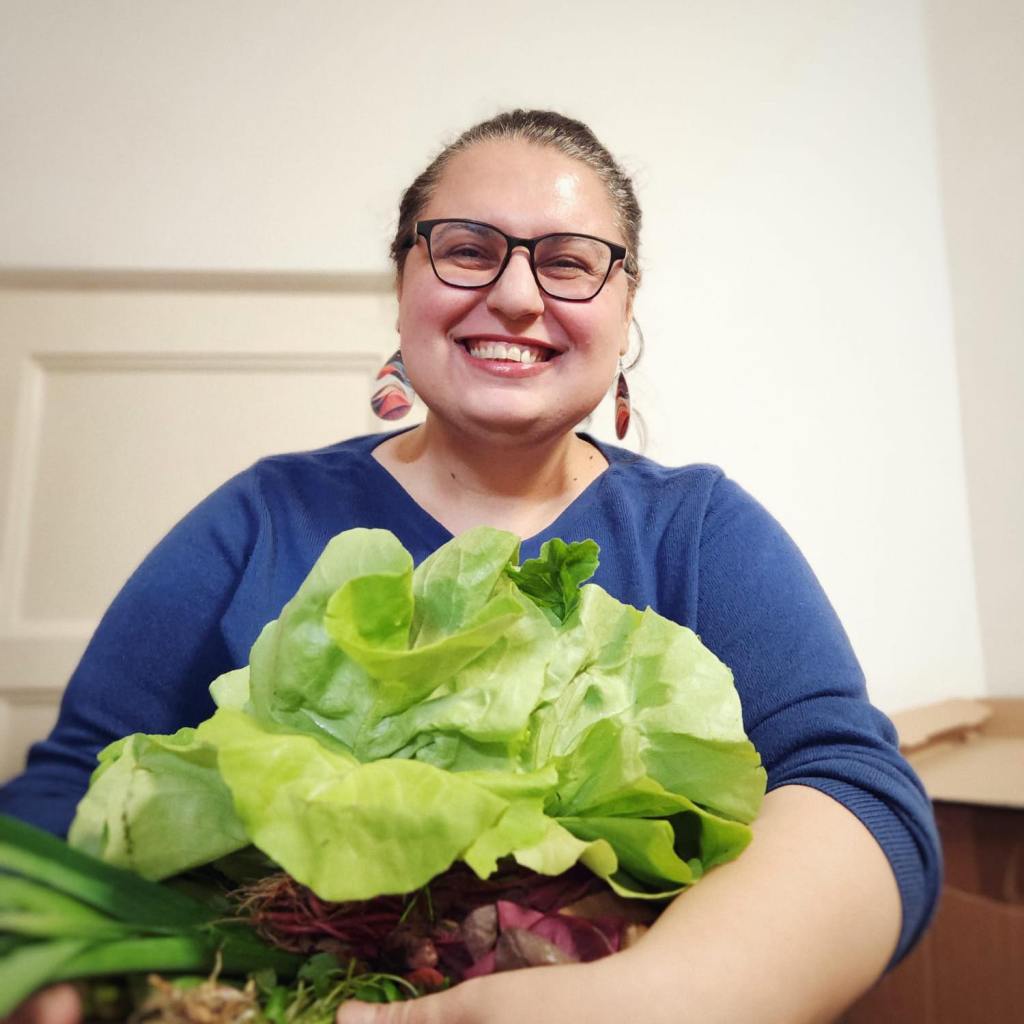
Her newsletter meal planningstarted about three years ago, now arrives every week in 25,000 mailboxes. Meal planning It means planning your meals over a period of time, for example, a week, with recipes, shopping, prepared and cooking-without going through all these steps every day.
Georgiana “Jo” Ilie sends to the subscribers a weekly cooking plan, with lists of ingredients and recipes for the tables every day, so that they will not be tormented with the frustrating question “But what do we eat today?”.
It also has an application, which automatically sets the quantities of each product. Try to keep the diverse weekly menu, with alternated meals, but it does not recommend planning has exaggerated many who or different lunches because it is not achievable in relation to the number of hours in a day.
Georgiana Ilie taught the subscribers how to make their own meal plan With the tables they like, but also how to keep the records of the food they have in the house through a table in which the quantities and the expiration date are passed.
Why food “like at home” is not always the best
When did the newsletter turn on meal planningshe was already doing this weekly meals planning for her for a long time. But writing for others has helped her to be more connected with food, to be more attentive to what vegetables and fruits are seasonal, combinations and meals that include several ingredients-not as a student, when she did not know how to cook and live from omelette, yogurt and fried potatoes, says Ilie.
Her work of dissertation, which she is currently working on, aims to understand how we increase our relationship with food through values that we cannot negotiate, through which we determine what is good and what is not good for us.
“Anyone ask, will say that bad food is junk food, good food is like home. In reality, it is much more nuanced how we share food. We have this natural tendency to create these categories to defend us from a bad food that would hurt us. Georgiana Ilie
This thinking comes from the speech of Diet Culturein which we “seek to blame ourselves for things that are not real,” she said.
You can say about a diet that is bad – if you eat, for example, just fries or just fast foodbecause you have no place to take all the necessary nutrients. But not about an ice cream eaten when and when, Ilie continues.
Unhealthy habits transmitted to children
“The children in Africa die of hunger and you make food for food.” It is a phrase that children often heard, when they pushed their plate with food because they didn't like it.
Indeed, the hunger on the planet affects a billion people every day, but the obligation or mention of such blackmail during meals can have harmful effects on the relationship that children have with food, say research in the field. These children then grow in teenagers and adults with dietary disorders.
Studies show that a good part of the relationship of children with food develops according to the type of parenting which children receive. At maturity, I can get the habit of eating against strong emotions, which is also associated with depression, anxiety and stress.
“The more moral value we give the food and the more strong feelings, such as punishment, guilt,” I struggled so much to make this soup and you do not eat “, the more we move away from our instincts. It is a sin, if you want this unknown word, to associate the natural act,”
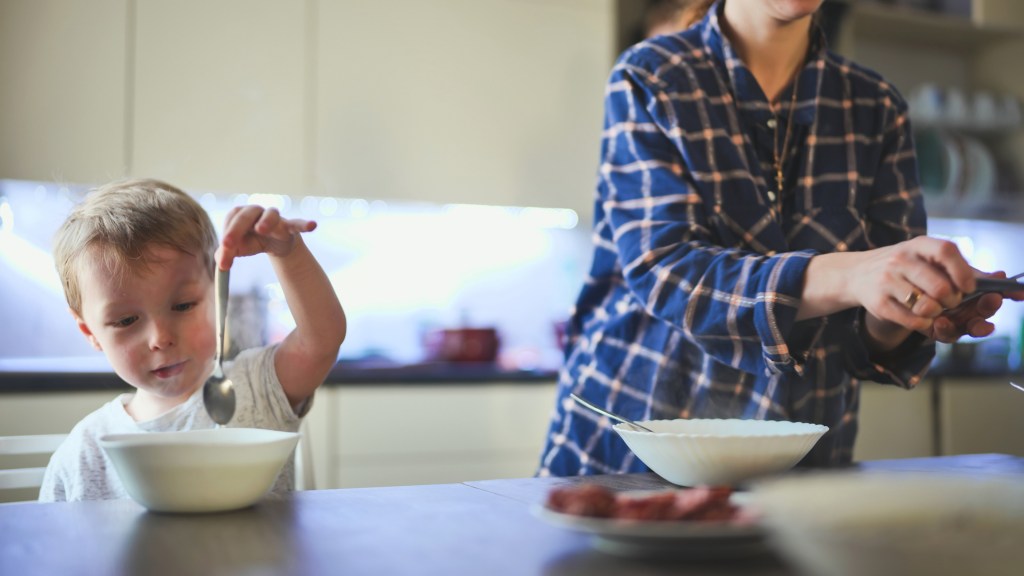
The questions that show us if we have a healthy relationship with the food
When you are told that “you are not hungry, thirsty” when your body asks for food, you later reach overcompensation and even eating disorders. You get to eat too much or too little, or too much of what you shouldn't.
Psychologists and nutritionists draw attention to the guilt built around the food, a feeling we grow when we have this kind of punishment and blackmail.
They say that a healthy relationship with food should look through a “yes” to the following questions, writes The Conversation:
- Do you understand your body so you know when you are hungry and when you are tired?
- Do you consume adequate quantities and various foods, at regular intervals, so that you get from food all the nutrients that are needed?
- Do you feel comfortable to eat with others but also alone?
- Are you able to enjoy food without feelings of guilt?
Several “no” responses, explains therapists, indicates that it is possible that your food has become a mechanism of adaptation and response to negative emotions, which trigger the brain reward center. This means that if the brain learns that it feels good after you eat, it will get used to it and you will continue to eat in response to negative emotions.
Emotional diet and uncontrolled eating episodes are more likely to be associated with symptoms of eating disorders and a lower quality diet, explains the specialists.
“One of the most complicated relationships we can have”
Meal planning-Ul, says Georgiana Ilie, is not about spent hours in a day at the stove and not just about eating healthy. Meal planning-The ul is about organizing yourself better, more efficient and more flexible. It offers variety because you have set shopping and cooking, you have alternative tables and snacks without bending your refrigerator. You just put in the basket what you eat -in this way, you have the budget under control and you consume responsible, without waste -, and you will look more closely at your relationship with food, putting or eliminating things from the menu.
To respect a seven -day food plan is not for everyone, emphasizes Elijah. It's good to start with two -day planning, maybe you can see how it is. It's enough.
It is not about planning meals for days, as it is about looking at what you put on the plate and listening to your body.
“” It takes a lot of self-care our relationship with food, and how emotional mature we are. I have had some aspects in the relationship with the food that I simply have not realized until I have come to do various experiments as I eat, at what hours, how I combine food, how much I can give up, that we can have in life, ”says Cami Gui, who set up the Food Waste Combat program to fight food waste.