
publication
2025-06-08 06:00
In 2 weeks, the EU Commission regulation enters into force, which introduces revolutionary changes for smartphone producers. More durable batteries, a longer period of updates and greater resistance to damage are just some of the requirements imposed on new devices placed on the market.
Regulation of 16 June 2023 regarding eco -project for smartphones, other mobile phones and tablets will come into force from June 20, 2025. Its purpose is to limit the impact of these devices on the environment by improving durability, repair and energy efficiency. Consumers will gain changes, while producers will have to adapt to new guidelines.
Stronger battery and greater repair options
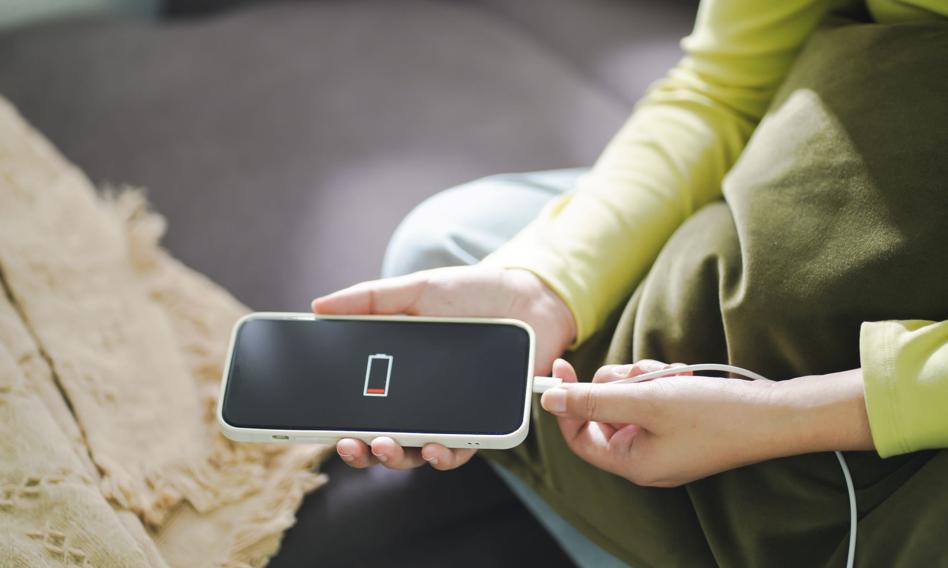
The new requirements are already starting at the stage of design design. Manufacturers must increase smartphone resistance to falls, dust or water. The battery should withstand at least 800 charging cycles while maintaining min. 80% capacity. In practice, this means the need to adjust the battery settings so that the device can be used as long as possible on a single charge and the end of the so -called “aging” of devices leading to the replacement of the smartphone.
The EU Commission Regulation also imposes specific obligations in the scope of enabling repairs. Devices should have a modular structure in which it will be easy to replace the battery or screen. The manufacturer must also provide spare parts with service outlets for 7 years after the end of sale a given model, and the delivery to the website must take place within 5-10 business days. The new requirements will also be hindered by practices that favor authorized service points; From June 20, professional companies will have to have software and tools as well as entities recommended by manufacturers.
Longer update cycle
One of your smartphone users' ills is regular software and safety updates. As a rule, they are provided only for the first years since the release of a given model, so the lack of security corrections at a later time clearly affects the use of the phone. The regulations introduce Obligation to provide software updates for at least 5 years from the smartphone input to the marketincluding safety and device function corrections.
Energy labels
The regulation that complements the energy labeling framework will also enter into force on June 20. Manufacturers, importers and sellers of smartphones and tablets will be required to join the devices energy labels containing:
- energy efficiency class from A (best) to g (worst),
- battery life on one charge,
- battery strength in charging cycles,
- Fall resistance class,
- degree of ease of repair,
- IP degree showing resistance to dust and water,
- QR code for technical details at the EPrel database (European register of products for energy labeling purposes).
The new regulations apply to both stationary and internet stores.
Consumers are waiting for prices?
EU requirements regarding smartphones and tablets can revolutionize the market of these devices. On the one hand, they will be more durable and safer due to longer updates, and consumers will gain more knowledge, e.g. about the energy consumption of the phone. On the other hand, the regulations will force a change in the approach of producers who will have to increase the expenditure on the design and testing of smartphones, improve the availability of spare parts or security and functions corrections. Samsung already warned in May that the prices of its devices may increase by the US customs policy, so it can be expected that the requirements entering into force will even more influence the strategy of this and other producers.