An unexpected symptom of heart disease that most ignore. What cardiologists say and how can you recognize it in time

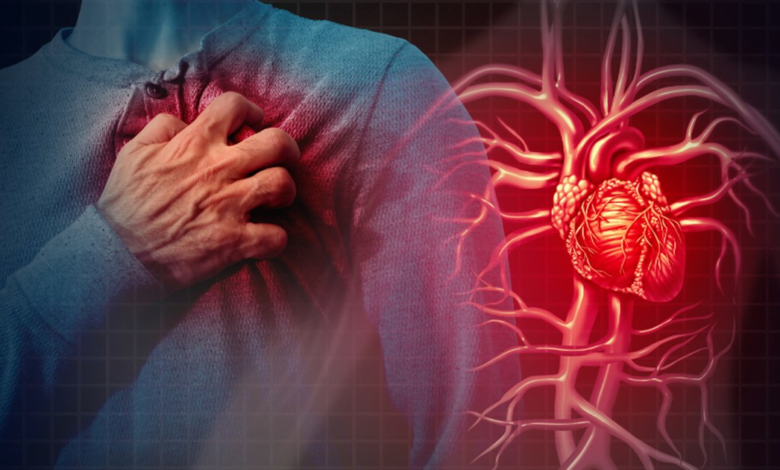
Although heart attacks are often described as sudden, obvious and accompanied by severe chest pains, specialists warn that cardiovascular disease can develop gradually, and many do not know all the symptoms that may occur. Even if you have never had obvious clues, it is important to be informed about these atypical, hidden signs that can make the difference between life and death.
In addition to the classic symptoms, heart disease can also have atypical photographic manifestations Heart Research UK
“As a rule, the heart attack is associated with a pressing pain or pressure in the center of the chest, but there are situations in which cardiac disease manifests differently.”explains Dr. Yu-Ming Ni, cardiologist and specialist at Heart and Vascular Institute, Orange Coast Medical Center.
A very large number of people is the risk of cardiovascular disease throughout their lives. According to the latest update of The American heart association of 2025Heart diseases remain the main cause of death among adults, powered by rising risk factors, such as high blood pressure.
One of these often ignored atypical symptoms is the pain in the jaw or neck, which can signal a serious heart problem. In this article you will find out what to follow and when to seek urgent medical help. Cardiologists point out that early detection can save lives and draw attention to these atypical signs that many do not know yet.
Attention to the pain in the jaw and neck – hidden signals of cardiac problems
Pain in the maxilla or sore throat, even in the absence of chest discomfort, can be an early sign of heart problems, explains Dr. Patrick Kee, a cardiologist at Vital Heart & Vein in Houston. Dr. Kee states that the pain can also occur in the shoulder or arm, and women, the elderly and people with chronic conditions, such as diabetes, are in an increased risk of experienced this symptom that is often ignored of cardiovascular disease, including myocardial infarction.
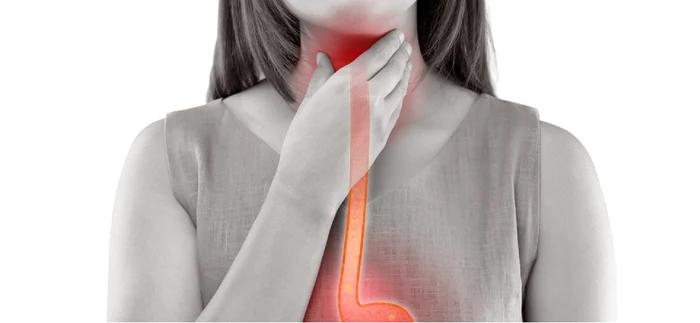
Neck pain is one of the unexpected symptoms of pixabay photo heart disease
Studies also show that women have a higher probability of pain in the jaw in the case of a heart attack (symptom sometimes confused with dental pain). Therefore, a cardiologist warns that these signs can be easily overlooked.
“Many patients put these symptoms on account of stress, but cardiologists are trained to treat any unexplained discomfort seriously above the waist, especially in high risk patients.” Explains Dr. Robert Segal, a cardiologist and founder of Manhattan Cardiology, Medical Offices of Manhattan, as well as co-founder of the Labfinder.com platform.
“Other heart problems can cause similar pain.” Cardiac and non-cardiac causes
Although discussed a lot about myocardial infarction, Dr. We are pointing out that jaw pain and neck can signal other cardiovascular conditions. “There are other heart problems that can cause pain in the neck and jaw area, such as cardiac valve dysfunctions or heart rate disorders.” he says.
However, it is not always a heart problem, heart health. “The fact that a person has risk factors or pain in a typical area does not necessarily mean that the source is cardiac. A cardiological evaluation performed correctly. Pain in the jaw and neck can also be caused by muscle contracts, dental infections or diseases of the spine or spine.” says Dr. Segal.
Why pain in the throat and jaw may indicate cardiac problems
When the pain is related to a heart disease or a heart attack, there is no real structural or physical problem in the neck or jaw. Instead, the brain misinterpret the signals transmitted from the body.
“The internal organs transmit the pain signals through the autonomic nervous system”explains Dr. Bradley Serwer, interventionist cardiologist and medical director at Vitalsolution, part of Ingenovis Health.
Dr. Serwer details that the autonomous nervous system plays an essential role in many functions of the body, including in regulating blood pressure and heart rate: “When heart It is affected, the autonomous nervous system transmits signals to the brain indicating a lesion. The brain interprets this pain as a referenced pain. The referenced pain can be felt in the chest, jaw, neck or arm. ”
How to manifest the pain of the jaw and neck in case of cardiac problems
Each person can have visible or hidden signs, different symptoms, but Dr. tells us that patients often experience pain in the jaw and neck area on the left – which makes sense, given that the heart is located in that area of the body.
Dr. Kee mentions that the pain and throat pains are frequently described as follows:
- a deaf pain or tightening sensation in the lower jaw or throat,
- a constant pressure or pressing weight,
- Pain that radiates to the ear, shoulder or left arm.
If the pain is a sign of a heart attack, it is difficult to say with certainty if a cardiac event is to occur or if it is already in progress.
“There is no predetermined time. Pain in the jaw or neck can precede a heart attack, hours or even days. Think of a tap that starts to drip-you can see a discreet leak, equivalent to the pain in the jawexplains Dr. Segal.
When to ask for emergency help
If you have any doubts, Dr. Serwer recommends that you go to the guard room immediately in the case of jaw pain or neck – these can be a heart attack. “It is all the more important for people with increased risk of heart attack: those with diabetes, known coronary heart disease, hypertension, high cholesterolsmokers or with family history ”, He warns, adding that it is better to be cautious.
Dr. Kee explains that in suspicious infarction cases, doctors act immediately and can use the following treatments:
- Aspirin, to reduce the formation of clots
- Nitroglycerin, a drug that improves thoracic discomfort
- Oxygen and drugs administered intravenously
- Cardiac catheterism and angioplasty, a minimally invasive procedure for opening arteries
- Stents or bypass surgery, according to gravity
Dr. Kee emphasizes that the chances of recovery depend on several factors, especially the speed of intervention: “The early recognition of the warning signs-even the atypical ones, such as the jaw pains or neck-can radically improve the prognosis. Do not wait for pain in the chest. Your heart could be expressed in another language. Learn to listen to it.”