Romanian collectors are mainly motivated by aesthetic and personal reasons when they purchase art works, but a significant part of them (46%) also take into account financial and investment benefits, such as placement safety, diversification of portfolio or rising risks in periods of economic volatility.
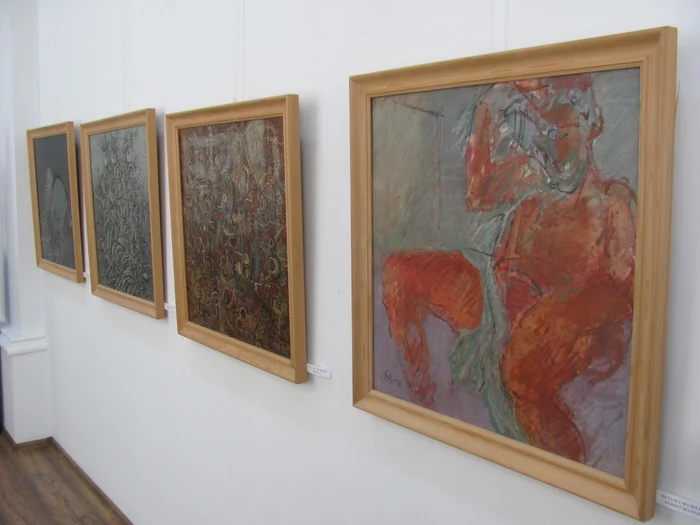
Romanian collectors are mainly motivated by aesthetic and personal reasons
A study on the premiere art market in Romania shows that almost half of the Romanian collectors (49%) share their interest between works of Romanian and international artists, and just over a third (36%) remain loyal to domestic creation, due to accessibility and cultural affinity.
What the Romanians collect
The painting remains the predominant artistic category, being present in both the acquisition history (89% of the respondents) and in the purchase intentions (86%). It is followed by sculpture (53% in the history, 60% in intentions), respectively photography (49% both in the historian and in intentions). Installations and conceptual art are less present in collections compared to the consecrated categories – painting, sculpture and photography – but the interest of acquisition exists (31%), it is stated in the Deloitte Art Market Report 2025 study.
At the same time, although the niche forms (glass, video, outdoor sculpture etc.) are perceived as viable options for the future for collectors and investors, they clearly require a sustained effort, according to the report. On the other hand, given the relatively young profile of the Romanian collector (65% of the respondents are between 35 and 56 years old), contemporary art, especially the one created after 2000, is outlined as a clear preference, eight out of ten respondents mentioning it both in the historian and in the purchase intentions.
Collectors keep work at home or office
Art generally attracts moderate investments from Romanian collectors, being seen as an instrument to cover risks in volatile economic (26%), but also as a means of diversifying assets (24%) or even as a speculative vehicle (19%), with potential to generate future winnings. In most portfolios, art works are a complementary category of assets, six out of ten collectors indicating a share of up to 10% of the total assets they have. Only 5% of them say they have more than half of the wealth invested in art.
“The aesthetic and affective criteria, together with the financial and investment reasons underlying the decisions of art consumers form a tandem that generates long -term value. Not by chance, most of the respondents (66%) declare that they keep the works purchased for at least ten years, generally in immediate proximity spaces, at home or at the office. More than 41% of them have the clear intention to transmit them further, as a family inheritance, strengthening the idea of filiating the aesthetic and financial values and contributing – why not? – In the still young practice in Romania of the managed and consolidated heritage of successive generations (generational wealth)“, Explained Andrei Burz-Pînzaru, Deloitte partner.
I invest about 10% of the annual income
Over half of the respondents (59%), invest in art amounts that do not exceed 10% of the annual income. Most collectors (34%) hold between 6 and 24 works, which suggests a prevalence of smaller collections, but of great artistic significance and strongly influenced by the personality of the collector. The large collections, over 100 or over 300 pieces, each cover 11% of the respondents, are a significant but niche tendency.
“One of the most relevant aspects surprised in the report is that half of the collectors are interested and purchase contemporary art works, signed by both Romanian and international artists. This transition, from a market oriented almost exclusively towards local creation, to one connected to the international dialogue of contemporary art, is a clear sign of the development of a various, dynamic and future artistic scene“, Declared Catinca Tăbăcaru, gallerist, curator, co-founder the Association RAD and artistic co-director of RAD Art Fair.