
How much does a metro trip in European capitals cost? The ticket in Bucharest could increase substantially for the second time in 2026

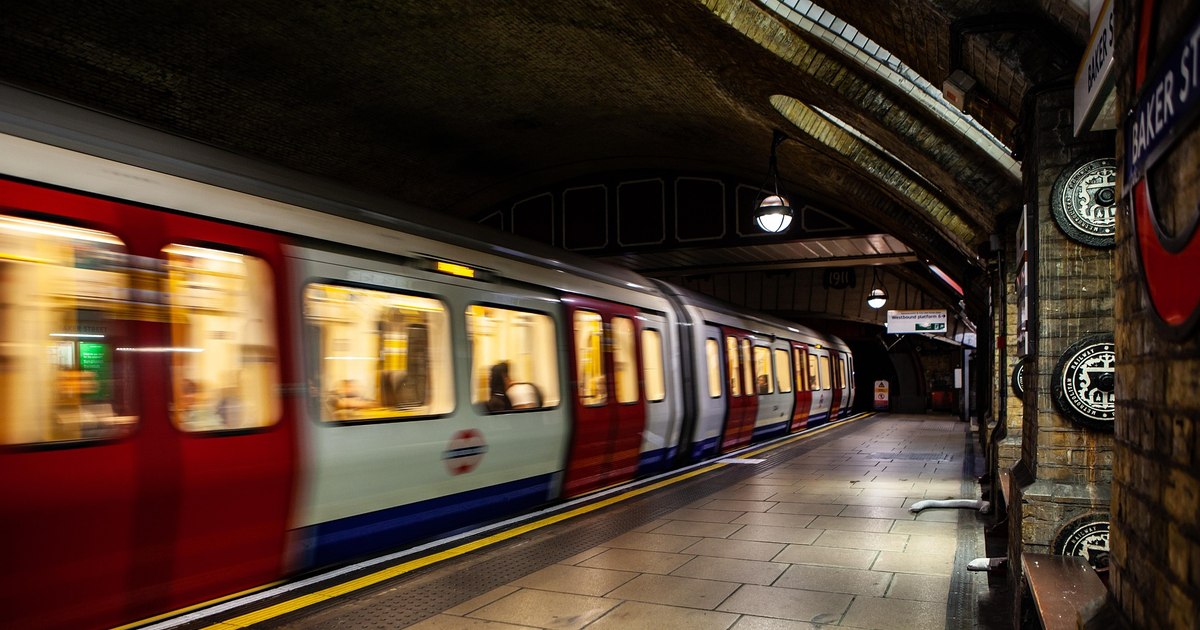
Metrorex would raise the price of the ticket substantially again, for the second time in 2026. The cost would reach among the highest, relative to purchasing power. A metro ride in European capitals ranges from less than 1 euro to 17-19 euro, but the costs involve different experiences.
In many European capitals, paying the ticket gives you access to an integrated FOTo system: Pixabay
A new increase in the ticket price for a metro trip in Bucharest is the news that has already created dissatisfaction among travelers. It would be the second substantial increase in price in 2026. However, the decision could be reversed by the new interim Transport Minister, after taking office.
Analyzing the prices of a metro trip in European capitals, the value of the ticket for the Bucharest metro is still among the lowest. If, instead, we relate it to purchasing power, a metro trip in Bucharest will be among the most expensive.
The European city with the highest public transport prices
The most expensive ticket for traveling by subway will be paid in London, between 3-3.8 euros (for the most frequented areas), but the total cost of a trip, depending on the distance covered, can increase substantially. The capital is divided into nine zones, and for a metro trip there is no fixed amount, but you pay in the “pay as you go” system, with your phone or contactless card, the system automatically calculating depending on the zone you entered, the zone you exited and the time (in peak hours the cost is higher). Note that there is a maximum daily/zone cap, beyond which travel is free on that day.
What happens differently compared to traveling with the Bucharest metro is that you actually have access to the entire urban system (metro, urban trains, buses, some trams), not just the metro. In order to cross extended areas, you can reach, by combining various means of transport, and taking into account the rates during peak hours, and costs approaching 20 euros.
Also a high cost, in nominal value, for subway transport is also in Berlin. The transport system is also regional, and a journey can reach 3.5 – 4.5 euros for longer urban distances. You pay by zone (the city is divided into ABC, zone AB being the most used) and you don't just pay for a subway trip, the standard ticket for the city center (zone AB) – which can reach 3.8 euros – includes subway (U-Bahn), urban train (S-Bahn), bus and tram, the ticket being valid for a certain time limit.
And Oslo has one of the simplest but also the most expensive urban transport systems in Europe. A simple ticket (the most used) costs between 3.8 – 4 euros, is valid for a certain period of time, per zone, and includes travel in the respective zone by: metro, tram, bus, urban ferry.
In Copenhagen, the ticket that also gives you access to the entire public transport system – metro, bus, urban train – costs around 3.2 euros, covers two zones and lasts for a period of time.
Metro travel is not exactly cheap in Paris either. Here the price of the trip is fixed – 2.55 euros, but the ticket gives you access to the metro, bus, tram and urban train (RER) within the Paris area. However, the €2.55 journey does not include routes to the airport or the surrounding areas and is also subject to time.
In addition to the simple ticket, there is the possibility to buy subscriptions: daily, weekly or monthly, which help you reduce costs.
A comparable system is also practiced in Vienna. The standard trip, only in the city, costs 2.4 euros here and offers access to the metro, tram and bus, which you can change during the validity period of the ticket (there is also a time limit in this case).
In Amsterdam, the system is different from Paris, Vienna or Berlin and more like the one practiced in London. You use a special card or a contactless payment system and the price of the trip is calculated according to the distance traveled, a trip costing, on average, between 2 – 3.5 euros in the most intensively frequented urban area. You can use the same system: subway, tram, bus, urban ferry.
Which are the cities with the lowest prices?
The lowest price for a metro trip in the capitals of Europe is in the capital of Ukraine, Kiev. It costs under 0.2 euros and works on the principle – one entry = one journey, including all stations and internal transfers. You can travel on all three lines without going to the surface.
In Sofia, the metro ticket costs 0.82 euros, the lowest among the capitals of the European Union, and you pay with this money for a short 30-minute journey on the metro, bus or trolleybus (you can also change them during this time).
A similarly low cost is also offered by Warsaw, where the ticket costs 1.02 euros and, during 75 minutes, you can change the metro to any other means of transport in the area for which you purchased it.
For 1.15 euros you can buy a non-stop metro ride in Budapest and you can change lines (four metro lines). Instead, as happens in Bucharest, the ticket is not valid for surface transport.
Bucharest fell, after the announced increase, again, in the cost of the ticket, from the first places in the top of the capitals with the cheapest metro tickets.
But when you calculate how cheap or expensive public transport tickets are in Europe, the price differences on the metro are much smaller if you relate them to local wages than if you just look at face value. In addition, the “expensive” ticket in Western countries actually provides access to an entire transportation system, not just the subway.
7 lei metro card in Bucharest, from May 1
In less than a week, the cost of subway tickets in Bucharest increases again, after a substantial increase took place at the very beginning of this year, when the price increased from 3 to 5 lei. Despite the controversies, the increase proposed by the Administrative Council received the green light from the resigned PSD minister Ciprian Constantin Șerban, so that, from May 1, a ticket could cost 7 lei.
For those who use the metro frequently, the subscriptions are more advantageous, which can still be purchased at the non-increased prices. After May 1, a subway trip could cost 7 lei, a card with 10 trips – 55 lei, the 24-hour pass – 18 lei, and the monthly pass – 140 lei.
According to Adevărul informants, the interim Minister of Transport, Radu Miruță, could reanalyze the decision to approve the new tariffs.


