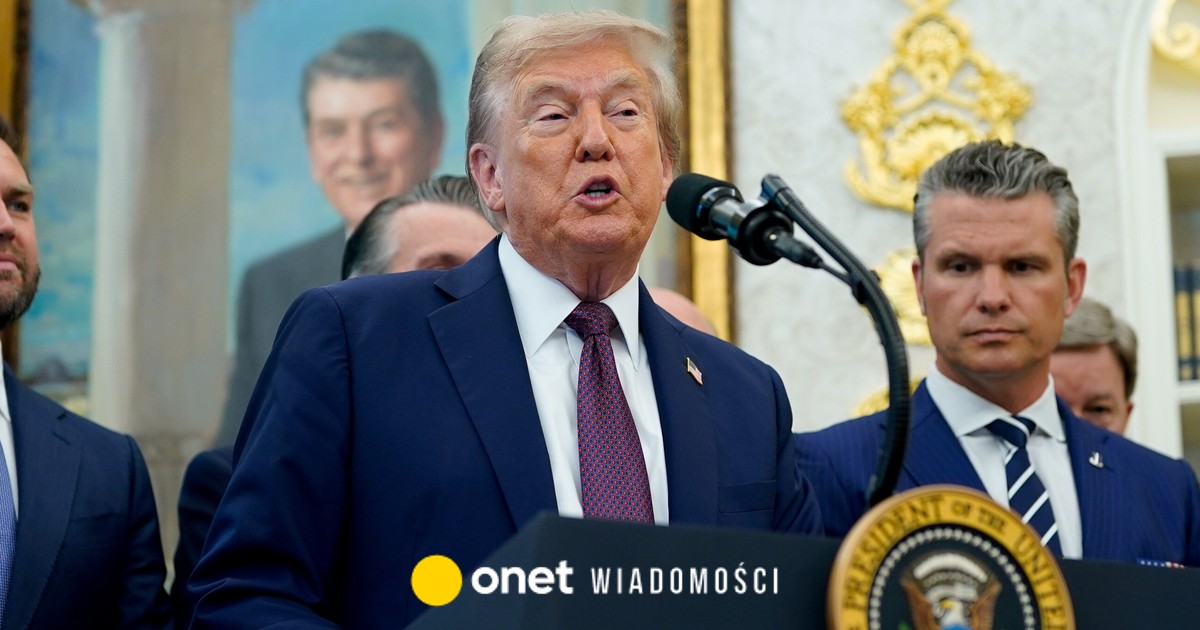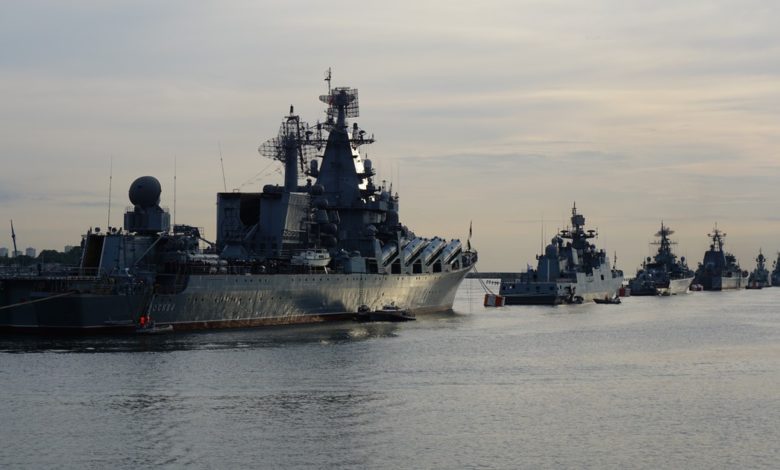

– Safety in the Black Sea is of key importance for the security of Europe – Kaja Kallas, head of EU diplomacy, said during a press conference. She added that it is currently threatened by the Kremlin's total war in Ukraine and hybrid attacks on maritime infrastructure.
This strategy is also a response to “geopolitical challenges” in a world in which “addictions are used as a weapon,” said Marta Kos, EU extension commissioner. – The Black Sea is a bridge to the South Caucasus and Central Asia and an important thoroughfare of energy and food trade – she added.
The Black Sea region was destabilized by Russia's invasion of Ukraine, Because the wide use of mines and military actions made it difficult to flow. Eastern European countries are afraid of further Moscow's aggression outside Ukraine and want to strengthen their defense skills.
Continued article under video material
Romania and Bulgaria are EU countries located on the Black Sea, and the Alliance will invest in modernization of regional infrastructure, such as ports, railway lines and airports to allow the transport of heavy military equipment. – Thanks to this, soldiers will be able to find themselves where they are needed when they are needed Kallas said.
Earlier, the European Commissioner for Transport Apostolos Tzitzikostas said that The modernization of transport infrastructure for military purposes throughout Europe will cost around EUR 75 billion (around 281 billion PLN).
The EU also plans to create the Black Sea Maritime Security Center, which will serve as the European system of early warning in the region. Kallas said that this center would increase situational awareness and help the EU to protect its key infrastructure. She added that the location of the center, the model of its operation and costs have not yet been determined.
– Another security action is to increase the monitoring of foreign ownership of ports and other key facilities – said Kallas.
According to Kos, in the field of EU trade, new energy corridors, transport connections and digital infrastructure with regional partners will develop. The block will also invest in the readiness of the coastal communities and the maritime economy to deal with environmental damage caused by war and responding to threats related to climate change.
“Countries around the world are currently looking for cooperation with reliable and predictable partners, such as the EU,” Kos said. – Such partnerships will increase our joint security and create business opportunities for everyone – she added.
The Commission emphasized that Ukraine, Moldova, Georgia, Türkiye, Armenia and Azerbaijan are partners with whom he wants to strengthen ties as part of the new strategy.