The “secret weapon” of some British who managed to climb Everest in a few days, although it generally takes a few weeks: “Is this the future of mountaineering?”

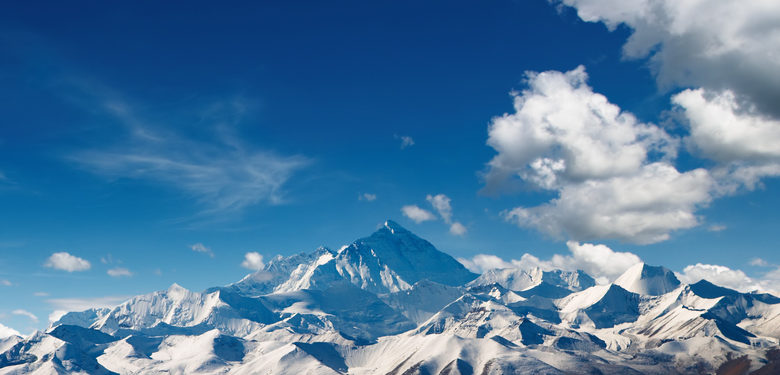
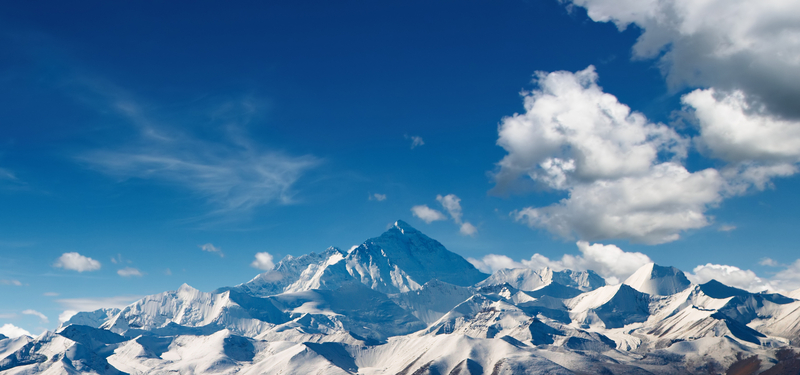
Everest, located in the Himalayas, is the highest peak in the world, with an altitude of almost 8,849 meters. Photo source: Dmitry Pichugin | Dreamstime.com
Climbing on the Everest peak lasts generally for a few weeks, and most of the time is spent at the foot of the mountain to accommodate you with rarefied air, but four British, former members of the special forces, dramatically shortened this interval, traveling from London to the top and back in less than a week, according to The New York.
They jumped over the adaptation period, in part, inhaling “a secret weapon”: Xenon. Their story rocked the world of climbing and led to an investigation by the Nepalese government, because the use of this gas is intensely debated. Some research has shown that xenon can quickly acclimatize people at high altitudes, even if some experts say that the benefits, if there are negligible, and the side effects of its use remain unclear.
The organizers say that the gas was essential for the speed of ascension, but the approach chosen by them has sparked a wider debate in the world of mountaineering: should Everest escalation, one of the greatest achievements in the world of sport, be easier – accessible to more people during a short vacation – with the help of a product to improve performance?
The report of the American publication does not mention Ukrainian climber Andrew Usakov, whom Reuters reported on Tuesday that he climbed on the top of 8,849 meters in four days, compared to the five days of the British, and claims he did not use Xenon.
Excursions on Everest with the help of xenon
Lukas Furtenbach, who organized the British expedition, said that starting with 2026 he intends to offer two-week round trips using Xenon and thus reducing the time required for a few weeks.
“This can be the future of commercial climbing guided on Mount Everest,” he said.
For those who live at lower altitudes and have traveled on the mountain, the discomfort of the altitude evil is obvious. Symptoms such as nausea, headaches and sleep disorders may occur, and in some cases it can even reach brain or death.
As you climb, in the blood flow, less oxygen is absorbed with each breathing. This is why so many people who climb Everest use additional oxygen.
What the experts say
Xenon, an odorless gas, has been known for years for activating a molecule called the inductible hypoxia factor, which is also activated when people acclimatize at a low level of oxygen, explained Hugh Montgomery, professor of intensive care medicine at University College London and Alpinist who led an expedition to Everest the way people react to a low level of oxygen.
“So what these people claim to do,” he said, “it is practical to find a way to activate adaptation to low oxygen levels.”
Although some doctors have used gas in the past to “preconceive” patients at low oxygen levels-for example, before major cardiac operations-the practice did not become a routine, because “it was not as protective as it would be hoped,” added Montgomery.
Mike Shattock, a cell cardiology teacher at King's College London, said that “Xenon probably does very little and there is virtually no credible scientific evidence to make a difference.”
Experts also warned that Xenon self -medication, which has anesthetic effects, can lead to overdose or death and that additional studies are needed to understand how its gas and its use in mountaineering work.
Photo source: Dmitry Pichugin | Dreamstime.com