
Russia builds electrical lines to connect the Zaporojie nuclear power plant to its own network

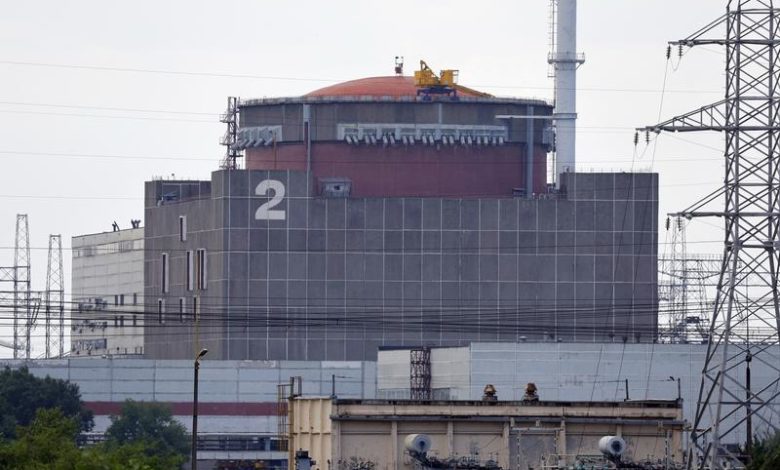
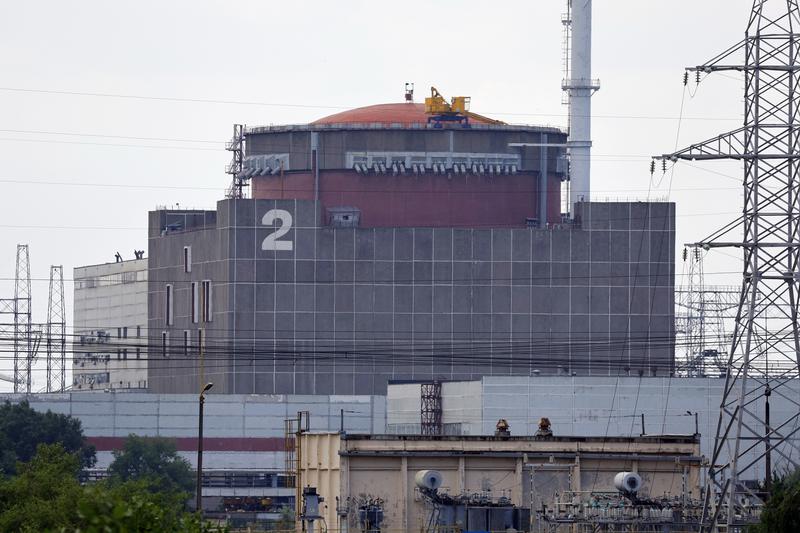
Reactor 2 of the Zaporojie nuclear power plant, photo: Tisija Voroncova / Sputnik / Profimedia
A new report of Greenpeace shows that Russia is building electrical lines in the Southeast of Ukraine to connect to its own network a major nuclear power plant it has captured. The New York Times describes the situation as the clearest proof of Moscow's intention to restart and exploit the installation in Zaporojie, despite the risks and calls to address the status of the central.
The Zaporojie nuclear power plant was captured by Russia at the beginning of the war, in a large-scale movement by the international community. The small distance between it and the struggles on the front line has aroused fears about a possible nuclear disaster, and the experts have launched warnings against attempts to restart the central conditions.
The Greenpeace report, which has been shared with The New York Times, includes satellite images that, since the beginning of February, Russia is building over 80 kilometers of electric lines and pillars between Ukrainian cities under Russian Mariupol and Berdensk, along the Azov Sea coast. The American publication said it had checked the images.
“It is the first physical proof”
In view of the location and direction of the works, Greenpeace said that the Russian project aims to connect new electrical lines to a substance near Mariupol, which was connected to the Zaporojie nuclear power plant, about 225 kilometers west.
“Putin's plan for restarting the nuclear power plant in the Zapiration depends on ensuring new electricity transport lines-this is the first physical proof of these plans,” explained Shaun Burnie, a nuclear field in Greenpeace Ukraine, in an interview.
Moscow's exact plans remain unclear. It is not known if he wants to operate the boiler in a post-war Ukraine or he wants to do so while the fights are still in progress. In both scenarios, the experts notes, Russia has to build a few lines to connect the boiler from the zaporojia to its own electricity, a process that requires time.
Donald Trump has been interested in taking Ukrainian nuclear power plants under US control, invoking concerns about safety and economic potential. In April, the White House presented Kiev and its allies a peace plan, asking Russia to return the Ukraine power plant, but under US management. Based on the plan, the installation was to provide electricity for both Ukraine and Russia.
Russia has categorically rejected the proposal, and the recent construction of the electric lines suggests that it aims not only to keep it, but to use it to feed its own network.
Constructed in the Soviet era, the installation in Zapuijie is the largest nuclear complex in Europe. Its six reactors can generate up to six electricity gigawates – enough to supply the whole of Portugal – and provided almost a quarter of Ukraine's electricity before the war started in 2022.
The boiler is located in the Russia's controlled part of the Zapuijie region in southern Ukraine, dangerously close to the front lines, which makes it impossible to function safely. All six reactors were gradually closed after Russia occupied the location, the last one closing in 2023.


