“Very small screws” – one of the many obstacles to the production of iPhone phones in the USA

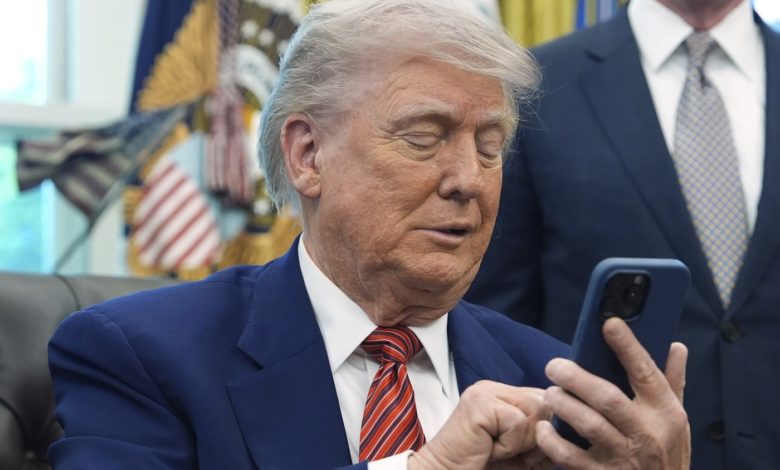
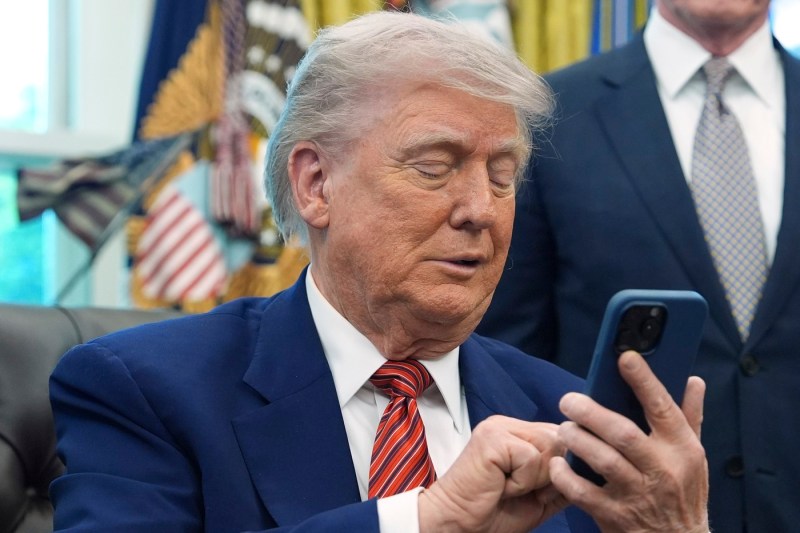
Donald Trump. PHOTO CREDIT: EVAN VUCCI / AP / Profimedia
President Donald Trump's attempt to move the production of iPhone phones to the United States is experiencing many legal and economic challenges, experts interviewed by the Reuters news agency, the smallest of these obstacles being the operation of introducing “very small screws”, which should become an automated operation.
Trump threatened on Friday that he will impose 25% rates for any iPhone phone that the Apple group sells, but does not produce in the US. Later, Trump added that the 25% rate will apply to the Samsung group as well as other smartphone producers, and will enter into force at the end of June.
“Otherwise it would not be correct,” if they did not apply to all imported smartphones, “Trump said.
However, last month the US Secretary of Trade, Howard Lutnick, told CBS television station that the work of “millions and millions of people screwing very small to assemble the iPhone phones” will come to the US and will be automated, creating jobs for qualified workers such as mechanics and electricians.
Later, however, Lutnick revealed that Apple's general manager, Tim Cook, told him that this would require a technology that is not yet available. “He (Tim Cook-no) told me: I should have a robotic arm, and I can do this wide and precisely. On the day this will be available, I will come here,” Lutnick said.
Moving production to the US could take a decade
The fastest way Trump can press Apple with tariffs would be the use of the same legal tool used to impose tariffs on a wide range of imports, claims and experts consulted by Reuters. The law, known as “International Emergency Economic Powers Act”, allows the president to take economic measures after declaring an emergency that is an extraordinary threat to the US.
However, the imposition of rates only for Apple “would provide a competitive advantage for other important phone producers, which would undermine Trump's goals to bring production to the US,” says Sally Stewart Laing, a partner at the Akin Gump cabinet in Washington.
Experts believe that Trump believes Iepa as a flexible and powerful economic tool because they should not receive the approval of the courts, which have the power to analyze the president's response to an emergency situation.
Currently, a Manhattan court analyzes a legal action submitted by 12 American states, which challenges the tariffs imposed by Trump on the occasion of “Liberation Day” and if the Ieepa law allows the president to introduce rates. If the Trump administration will win in this file, “the president will have no problem promoting the urgency as a justification to impose tariffs on imported iPhone phones,” said Tim Meyer, professor of international legislation at Duke University.
Moving production to the US could take, however, to a decade and, in the end, an iPhone phone would cost $ 3,500, believes Dan Iives, an analyst at Wedbush. Currently, the most expensive iPhone is sold for about $ 1,200. “We believe that the idea of producing iPhone phones in the US is a fairy tale that is not feasible,” Iives said.