The day of work for seven hours, a measure on the way to adopt in a European state. “For more efficient and productive work”



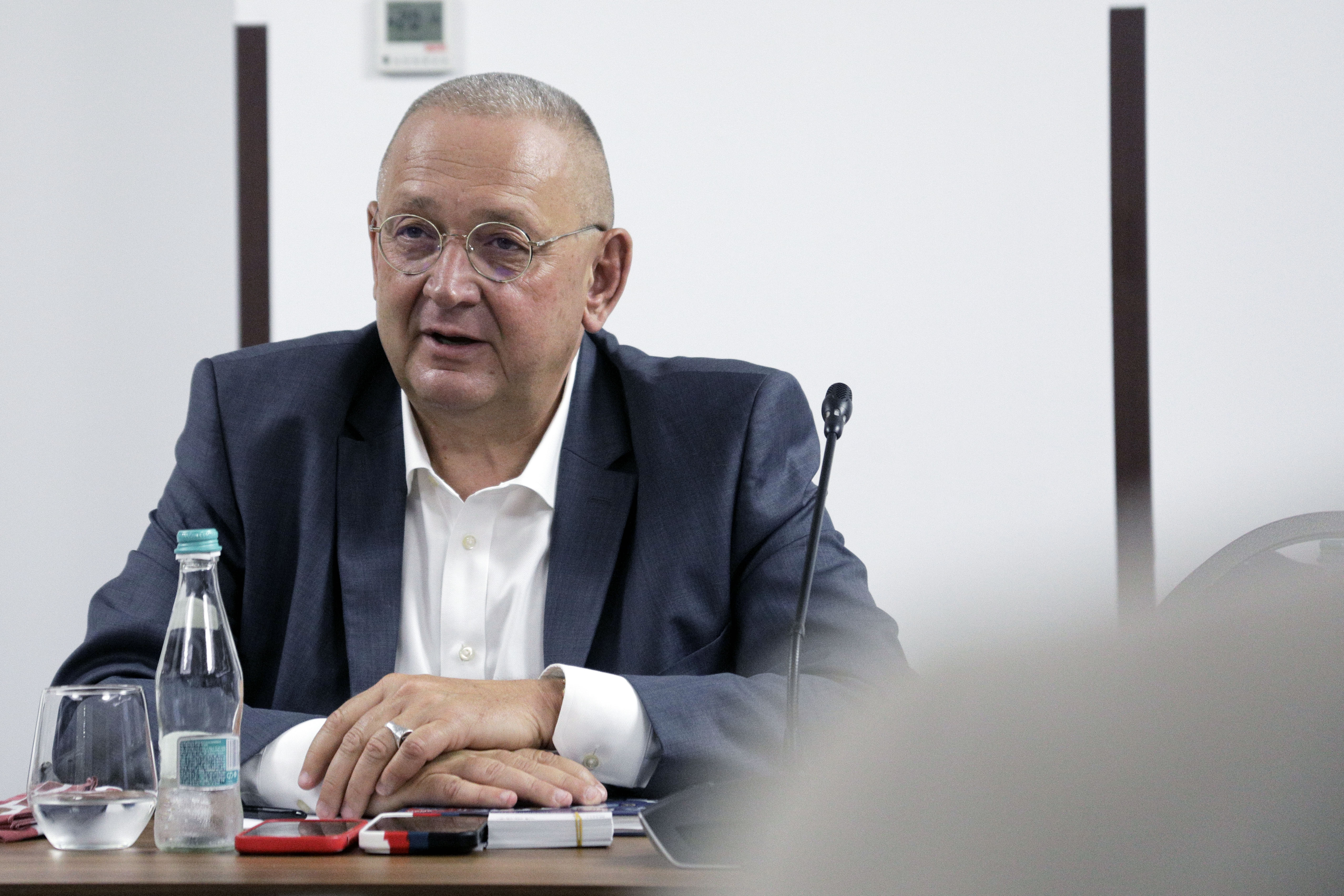
Milojko Spajic, Prime Minister of Montenegro Photo: Rusmin Radic / AFP / Profimedia
The Montenegrin government is close to a decision on the introduction of seven-hour work day in the country, and the model is expected to satisfy both employers and unions, said Prime Minister Milojko Spajic, quoted by the Croatian press agency Hina, taken over by Agerpres on Saturday.
The prime minister has announced extensive consultations with the social partners for the following week, during which time he said, the final version of the reform will be adjusted.
Spajic explained that the purpose is to achieve a major reform of work in the country through extensive consultations, in order to improve the lives of citizens and to ensure “more time for the family, as well as a more efficient and productive work.”
However, the Union of Employers in Montenegro (UPCG) claims that the conditions for moving to a working day of seven hours are not met, a problem being the chronic labor deficit. In contrast, the Union of Free Trade Unions said that it is understanding the resistance from the business sector, but Montenegro must advance in this direction.
The introduction of a seven -hour working day is one of the pre -election promises of the Europa Movement now Spajic, whose populist government has already fulfilled the promises to increase the minimum pension at 450 euros and the average salary to 1,000 euros.
The prime minister's critics claim that these increases are unrealistic and harmful to the Montenegrin budget and warned that there is a risk of a significant deficit by the end of the year, given that the salary increases have been applied by reducing the taxes that employers are obliged to pay to the state budget.