2025-05-19 18:18
publication
2025-05-19 18:18
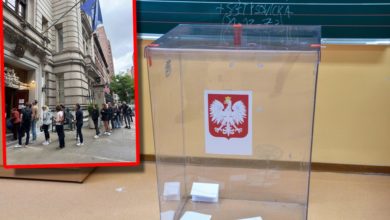
The first round of presidential elections in Poland was conducted professionally and gave citizens a real political choice, but it was accompanied by a deep polarization of society and serious problems with compliance with democratic standards – the OSCE informed in a Monday statement.
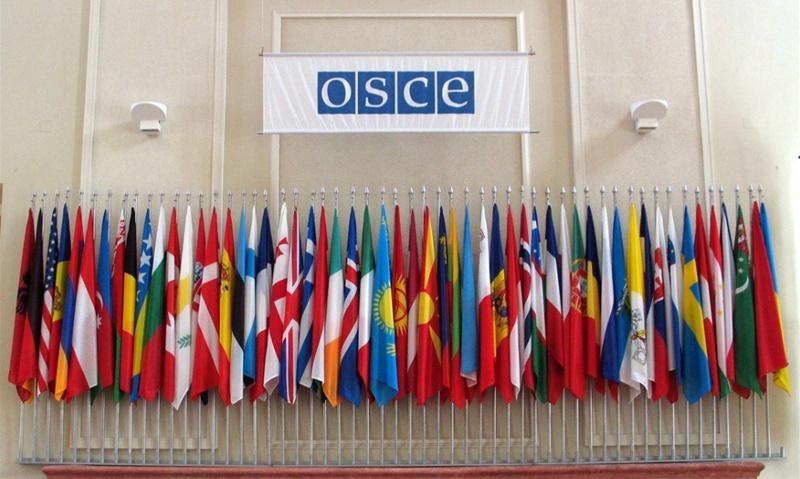
A joint observation mission of the Office of Democratic Institutions and Human Rights Organization of Security and Cooperation in Europe (ODIHR) and the Parliamentary Assembly of the Council of Europe (ZPRE) emphasized that despite the appropriate legal framework, many earlier recommendations regarding the transparency of the election process in Poland remain unrealized. Particular concern was caused by the independence of the courts – including the Chamber responsible for approving the results of the election – which, according to observers, may undermine citizens' trust in the institutions of the state.
“The election campaign showed Poland's strength as dynamic democracy, but to strengthen it, you need to cover deep political divisions through dialogue, which will combine various environments and views,” said Dunja Mijatović, head of the ODIHR observation mission. However, she did not spare critical words. “The messages of some candidates, aimed at migrants, the LGBTI community and ethnic and religious groups – especially xenophobic and anti -Ukrainian accents” – she emphasized.
Observers pointed out that the rhetoric of the campaign was confrontational, and sometimes even aggressive. In the media and at rallies there were explicitly intolerant of LGBTI and refugees from Ukraine, which – according to the authors of the report – can deepen social divisions and build an atmosphere of distrust. The polarization of society was visible not only in the tone of debates, but also in the way the media was functioning, which, as noted, remain strongly polarized and often do not provide voters with reliable, impartial information.
The report also emphasized that the election day went calmly, and the organization of the voting process was professional, although In many places, full voting has not been provided. The involvement of state officials in the campaign also aroused reservations – the border between official duties and political agitation was often, in the OSCE assessment, too poorly emphasized.
Attention was also paid to The low participation of women in political life, manifested only by two candidates among 13 people applying for the office of the head of state.
“This is a key moment for Poland – time to strengthen transparency, compliance with democratic standards and rebuild citizens' confidence in state institutions,” Liliana Tanguy, who is the head of the ZPRE delegation.
67 experts from 30 countries took part in the observation mission, including 34 long -term observers and 33 ZPRE representatives.
The Office of Democratic Institutions and Human Rights OSCE (ODIHR) is based in Warsaw. (PAP)
JPW/ Szm/ MHR/