

2025-05-14 06:00
publication
2025-05-14 06:00
The communion season is fully, and with it questions about tax issues related to gifts for children. It is worth knowing when giving a child may be associated with the obligation to pay a donation tax. Here is the most important information that will help avoid unpleasant surprises.
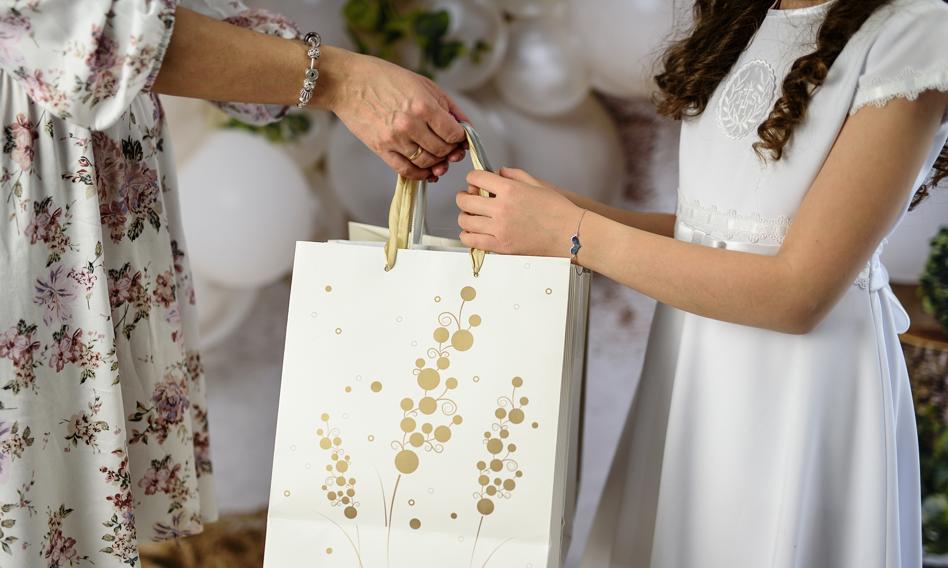
Gifts for the First Communion are treated as a donation, which is why it is crucial, from whom the child receives such a gift. It is important to determine the tax group, to which the donor belongs, because it determines the amount of inheritance tax and donations. In addition, the gift amount is not without significance.
A communion gift is a donation
Gifts handed to children on the occasion of Holy Communion are treated as donations. Therefore, specific amount limits apply, which depend on the degree of kinship between the recipient and the recipient. Pursuant to the provisions of the Act on inheritance and gift tax, the quota -free amounts are depending on the tax group to which the donor belongs:
- 36 120 PLN – if the buyer is a person included in the first tax group,
- PLN 27,090 – if the buyer is a person included in the second tax group,
- PLN 5,733 – If the buyer is a person included in the third tax group.
To the first tax group It includes: spouse, introductory (parents, grandparents, great -grandparents), descendants (children, grandchildren, great -grandchildren), stepson, stepfather, stepmother, siblings, in -laws, son -in -law, daughter -in -law
In the second tax group There are: descendants of siblings (e.g. sister's children, grandchildren), siblings of parents (e.g. aunt, uncle), descendants and spouses of stepchildren, spouses of siblings and siblings
Whereas III tax group They are all other buyers.
The limits are set as the sum of the last 5 years
It is worth recalling that the limits presented above are included all donations received from one person in the last 5 years. In practice, this means that, for example, a communion gift from grandparents can be added with earlier donations from the same person. In the event of exceeding the limit, the resulting donation should be reported within six months, from the moment of exceeding, through submitting the SD-Z2 form.
Donations from the immediate family are not covered by the tax
In addition, it is worth remembering that if you are received donations from the immediate familyyou can use total exemption from inheritance and donation tax. At the same time, according to the Act, the immediate family includes:
- spouse,
- siblings,
- descendants: children, grandchildren, great -grandchildren,
- preliminary: parents, grandparents, great grandparents,
- stepson, stepfather and stepmother.
To benefit from a tax exemption resulting from the provisions, two conditions must be met. Firstly report the received donation within 6 months from transferring money to the relevant tax office via the SD-Z2 form. Secondly, the taxpayer is obliged to document receiving a donation Proof of transferring to the buyer's payment account, to his account, other than payment, at the bank or cooperative savings and credit union or by post.


