“The concentration of methane in the atmosphere is currently two and a half times higher than in pre -industrial times” – we read in the latest installment of the “Global Methane Tracker” report published on May 7, which is presented in the International Energy Agency (IEA) every year. Although it stays much shorter than carbon dioxide, methane causes a greater greenhouse effect, responsible for approx. 30 percent temperature increase From the moment of the birth of modern industry.
What is the role of energy in this? In 2024, the industry issued about 145 million tons of methane, which made over 35 percent. emissions caused by man (they also come from, among others, agriculture or waste management).
Ok 45 million tons were associated with oil extraction and processing, less than 35 million tons – with extraction and processing of natural gas, and over 40 million tons – with coal extraction and processing. Other energy emissions came, among others from bioenergetics.
Read also: Changes in the ETS are coming. Free permissions will be issued conditionally
Reduce temperature increase
According to IEA experts, it is the fossil fuel sector that allows the largest and fastest reduction in the amount of methane released into the atmosphere. Potential reductions would reach up to 70 percent. – And at a low cost. The game is worth the candle; As the agency writes, “a directed limitation of methane emissions from fossil fuels to 2050 would reduce the global temperature rise by almost 0.1 degrees Celsius”. The effect would be comparable to the one -off elimination of all CO2 emissions from the heavy industry.
But how to achieve this? Emission reduction is served by modernization of mining equipment in the case of oil and gas, or oxidation techniques or combustion when carbon extraction. IEA estimates show that emissions about 35 million tons of methane could be avoided with the so -called zero net costs; Preventive measures would be cheaper than the methods than the market value of captured and reused gas.
“Many emission reduction options can be turned throughout the year” – the authors of the report proclaim. As they argue, about 30 percent of leaks when extracting and processing oil and natural gas can be avoided thanks to investments with a growth rate exceeding 25 %; much above standard profits expected by both industries.
Of course, the matter is not obvious and automatic in any way; IEA lists potential difficulties, such as more attractive investment goals, employee deficiency or the unconscious of solutions.
Low reports? Something is going on
Reduction of leaks and methane burning is also a way to increase the market supply of natural gas by up to 100 billion m3. However, in order to be able to work effectively, you need data, and unfortunately there are not enough. In most countries in the world, reporting is insufficiently developed.
Using, among others satellite data (in the orbit of the Earth there are 25 objects that may detect methane emissions), IEA states that Most of the national inventory underestimate their level. “Our estimates on the total amounts of methane emissions from the energy sector turned out to be about 80 % higher than the data divided into the United Nations Framework Convention on climate change (UNFCCC)” – we read in the report. Europe is preferably against the rest of the world; The situation is slowly improving globally.
Companies from the Oil & Gas sector are not passive; The obligations to reduce methane emissions include as much as 80 percent. global production of both raw materials. Almost 100 countries have plans for methane, and the contracts concluded would be able to lead to 40 percent. reduction in the perspective of 2030.
Guidelines and regulations, including fees, are introduced in such different places as Canada, China, Kazakhstan, Brazil or of course European Unionin which the so -called methane regulation. It imposes new obligations, including for mining companies, which from the beginning of this year may not release methane from the default systems, and from 2027 will have to follow the emission limits from ventilation shafts. Until August this year, Member States are to inform Brussels about adopted penalties (and their amount) for breaking the regulations.
43 groszy fees for a ton of methane
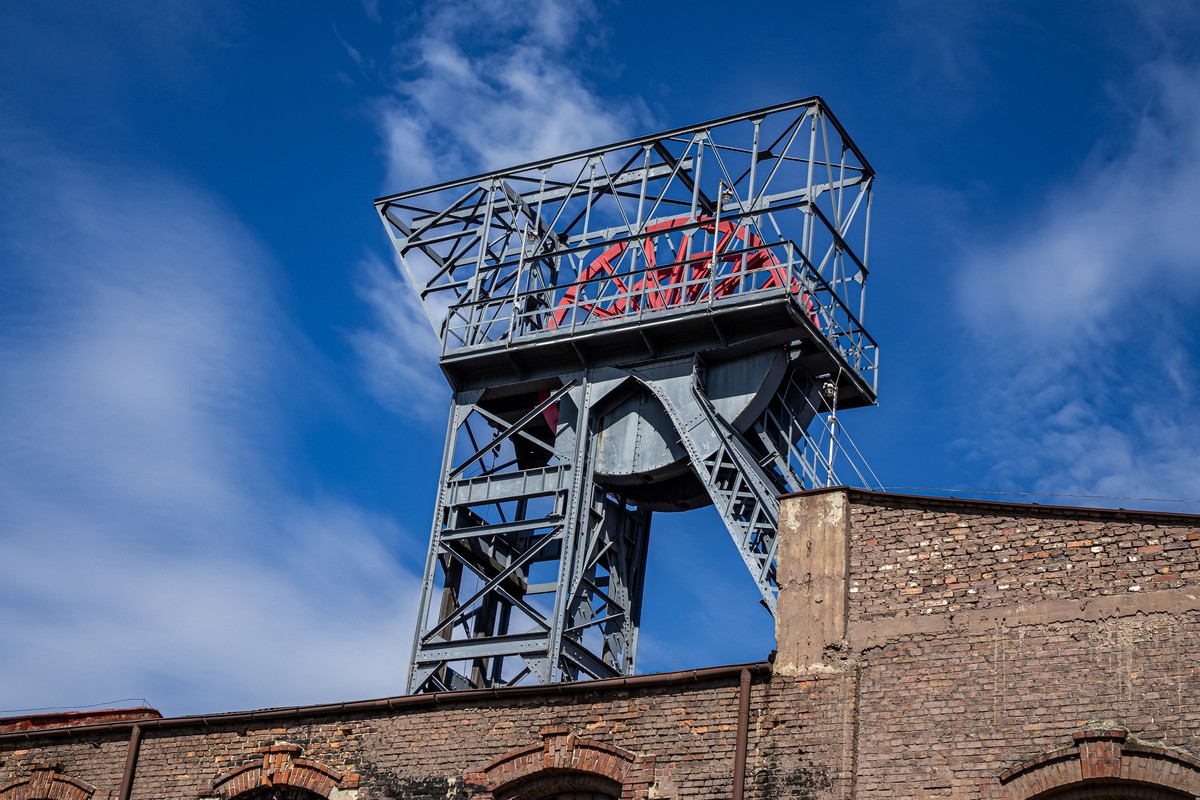
Mining companies from Poland must also adapt to regulation. As we learn from the development of the “Dangerous and expensive methane Foundation. Issions from Polish mining and the EU methane regulation”, 54 percent all methane emissions in our country come from the fuel and energy sector, and for 2/3 of this sum is responsible hard coal mining (for 37 percent of all emissions). In 2021 they reached 516 thousand. tons (approx. 46,000 tons from the brown coal mine). 75 percent are released into the atmosphere. mine methane; 551 million m3 in 2023
Read also: Acceptance for Polish mines for Polish mines accepted
In 2023, the greatest issuer of Methane was the Knurów-Szczygłowice Mine belonging to the Jastrzębska Spółka Węglowa Coal Mine. Do companies feel stimuli encouraging to implement solutions that reduce leaks at mining? Not necessarily – the fees for emissions as part of the fees for using the environment are, to put it mildly, reasonable. In 2025, their amount after inflation is PLN 0.43 for one ton of methane. Reporting is also limping.
The Instrate therefore recommends linking the amount of penalties for violating the provisions with social costs of methane emissions, and therefore those that include their environmental and health effects. The price of one ton calculated in this way would be from 5 to 25 thousand zloty.
At the same time, experts are in favor of Winvestment spart for mines in the field of implementation of reduction technologies; One of the sources of financing for help would be punishment. Think-thank recommendations also speak of unifying emission reporting and about the regulations also of coking coal mines.