
How do you realize what hit you in the polen season? The spring season – especially in recent years – has become a sinus trap. In the US, spring 2025 has already been called “The worst season of allergies in history”and in the United Kingdom, meteorologists from Met Office warned on a “Bombs with pollen”that is, a sudden increase in pollen levels.
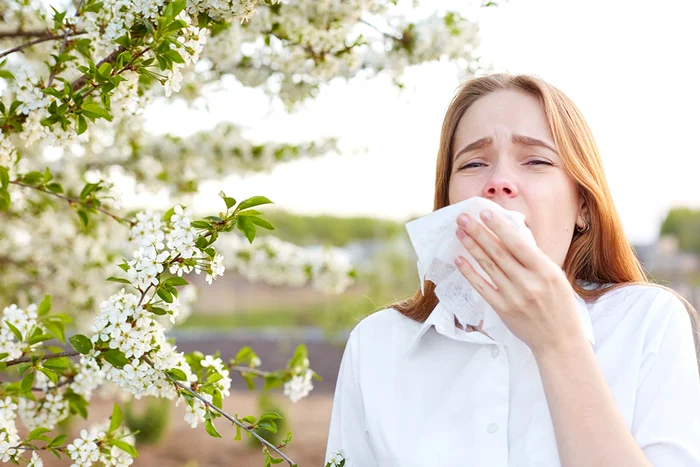
Polen clouds turn your nose into a tap and eyes into the Yale Health photo irritation wells
It is not just a romantic period of flowers, but a microscopic invasion that turns the nose into a tap and eyes into irritation wells.
As global average temperatures increase, the seasons of allergies become longer and more intense. According to a study conducted between 1990 and 2018, the US pollen season lasted 20 days longer, and the pollen concentration increased by 21%. In the United Kingdom, the Sanitary Security Agency (UKHSA) warned that the Pollen Allergies Season, which usually started around March, is now starting from January or February.
People often confuse the two symptoms: colds and allergies. In both cases I recognize the specialists, there are “Stuffed nose, nose that flows and sneezes”. These symptoms can cause nasal congestion, secretions, sneezing and a general state of fatigue. But the doctors warn: if you feel itching in the eyes and neck, it is most likely an allergy. If you have pain in your throat and the feeling of “To swallow a glass of thorns”it is very possible to be a cold.
“Allergies are an exaggerated reaction of the immune system to harmless substances, such as pollen”explains Dr. Neeta Ogden, allergic specialist, for The Guardian. The cold, on the other hand, is caused by a virus, such as rhinovirus or, rarely, influenza or VSR (syncytial respiratory virus).
What are seasonal allergies and how they affect your life
Seasonal allergies are a major problem for millions of people globally, causing not only discomfort, but also a significant impact on the quality of life. What happens, actually? The immune system of your body reacts exaggeratedly to harmless substances, which you perceive as dangerous. This causes unpleasant symptoms, such as sneezes, clogged nose, red eyes and itching. During the pollen season, everything becomes more intense, and this “battle” of your body with allergens can take weeks.
Seasonal allergies, also known as hay fever or seasonal allergic rhinitis, affect about a quarter of the adult population globally, and this number is constantly increasing.
Currently, about 500 million people worldwide suffer from seasonal allergies, and climate change and pollution actually intensify the conditions that favor the development of allergens.
These allergies are most commonly encountered in the spring and summer, when the pollen of trees, grass and ambrosia plants becomes predominant, affecting people of all ages, but especially those with a family history or a sensitive immune system.
“In the spring, the pollen of the trees is the main allergen. Summer, the grass pollen becomes the main culprit, and in the autumn the pollen of ambrosia represents a true” allergenic bomb “that makes ravagi”, explains Dr. Neeta Ogden, director of the Center for Allergy, Asthma and Sinus in Edison, New Jersey.
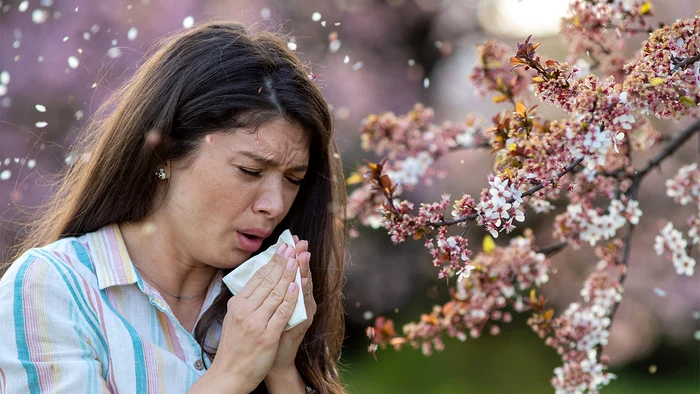
Spring allergies are challenged by Polen Archive Truth
In Romania, the script of allergies is dominated by the pollen of trees and grass, which invades the air between May and July. The grass pollen floats in the air especially during May-June, triggering a true epidemic of sneezes and nasal congestion. Later, in the autumn season, the pollen of ambrosia becomes the main allergen, intensifying the symptoms of allergies until October. For people sensitive to pollen, these periods are extremely difficult, with symptoms such as frequent sneezes, itching of the eyes and general fatigue.
These substances, which represent no danger to most people, become a dangerous enemy for those with a hyperactive immune system, which perceive them as a threat. If you do not protect yourself properly, seasonal allergies can turn even the most beautiful spring or summer days into a real challenge.
So, the next time you go for a walk in the park or enjoy a sunny day, be aware that, for some, these idyllic moments can mean a real battle against an invisible enemy: pollen.
What is a spring cold and why it hits you just now
The common cold-this seasonal invader who always seems to appear at the most inappropriate time-is, in fact, a virus that takes advantage of certain periods of the year to make its presence felt. “When we talk about colds, we often refer to a virus that affects individuals in certain months of the year.”also explains Dr. Jesse Bracamonte, specialist at the Mayo clinic.
Although the term “cold” It is used to describe a wide range of symptoms, most people immediately associate this condition with the rhinovirus, the main culprit of cold, which frequently appears in the spring and summer months.
However, not only rhinovirus can cause these unpleasant symptoms, such as nasal congestion, sneezes and sore throat. Other viruses, such as influenza or, rarely, the syncytial respiratory virus (VSR), can cause similar symptoms, which makes it harder to identify if you are just cooled or if you face a more serious condition.
Unlike seasonal allergies, such as spring allergies, which are triggered by pollen, the cold has a viral cause. Viruses are usually transmitted by saliva drops or by contact with contaminated surfaces. Therefore, it is possible that, at the first cough or sneezing, you will already be a bearer of the virus, ready to spread it around you.
These viruses are particularly aggressive during periods of transition between seasons, when fluctuating temperatures and low immunity create ideal conditions for colds to spread rapidly. Whether it is rhinovirus, flu or VSR, the effects are almost the same: clogged nose, irritated neck and a general state of fatigue.
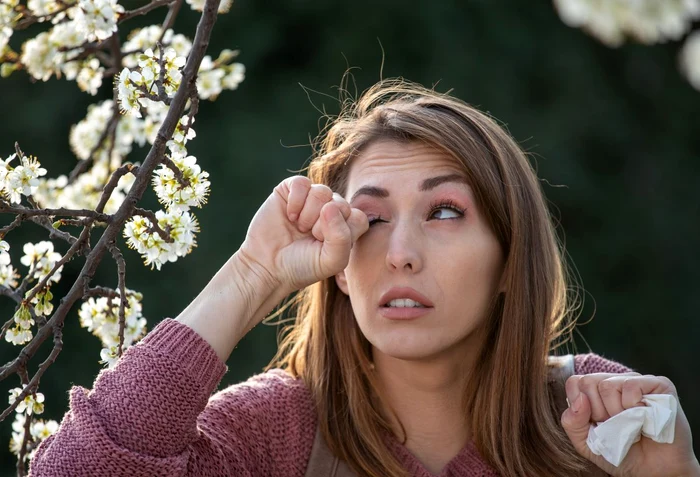
Eye itching is a frequent symptom of seasonal allergies photo archive truth
Symptoms that make the difference: How to distinguish between allergies and colds
When you are caught in an avalanche of sneezes, flowing nose and nasal congestion, it is easy to ask: “I have o cold Or just an allergy? ”. Although both conditions can cause a lot of inconvenience, there are a few signs that can help you differentiate them.
Dr. Bracamonte emphasizes that the symptoms of colds and allergies are often similar, especially in terms of nasal congestion and secretions. Both can cause general fatigue that does not improve even after a whole night of sleep.
However, while allergies make your eyes burn and neck to eat you, colds often lead to a much more pronounced and persistent sore throat. If you feel that you swallow an “Glass of thorns” Or that your neck is like a sand, you most likely face a cold.
“Allergies do not cause that intense sensation of pain in the throat”explains Bracamonte, and this detail can make the difference between the two conditions.
Duration and contagiousness
A clear difference between allergies and colds is contagiousness: allergies are not contagious, but the cold – certainly – is.
If you sneeze and spread virus drops on the office keyboard, you have become a source of infection for others. It is not just a matter of label-the cold spreads quickly into communities, and a simple cough can turn a working day into a colleagues' trap. The cold can spread through drops of saliva or by contact with contaminated surfaces. “If you are frequently sneezing and you have these symptoms, you are usually contagious”warns Dr. Bracamonte.
Allergies, on the other hand, are not transmitted to others, because they are caused by an exaggerated reaction of the immune system to harmless substances, such as pollen or dust. Although unpleasant, they will not affect anyone else around you.
In terms of predictability, allergies are much easier to anticipate, often related to seasonal changes, when pollen reaches the air and activates sensitive immune systems.
If you wonder when to expect a cold, the answer is simple: in the cold and changing months. If you are experiencing sneezes and irritated eyes when the weather warms up, you probably have to deal with seasonal allergies.
As for the duration, things become even more interesting. The cold, usually solved in 3-7 days, letting you recover relatively quickly, even if the symptoms are disturbing.
Allergies, however, do not have a precise calendar. If not treated properly, it can take weeks and may persist throughout the season, causing long -term discomfort. This is one of the reasons why those suffering from hay fever or other seasonal allergies can live with symptoms that do not improve. Although they are not contagious, allergies but can become a real long -term ordeal, especially in the pollen season, when each breathing becomes a challenge.
Therefore, the cold can be cured quickly, but allergies can take much longer, turning every day into a continuous struggle. Pay attention to the signs you experience and how it affects your life – the differences are essential when it comes to choosing a proper treatment.