
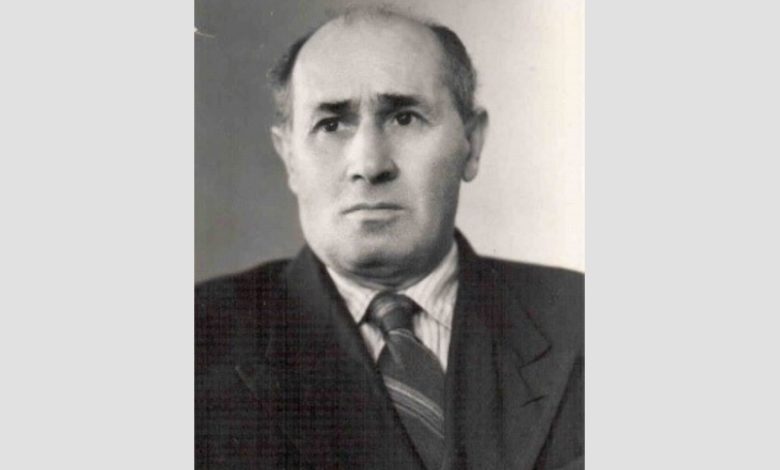
May 5, 1900
On this day, Salvador Borges (Bitsalel Elevich Borodin, Boris Ilyich), the famous Jewish writer, was born in the mug of the Volyn province.

At the age of 14 he ended up in Brazil, Rio de Janeiro. There he began to write under the pseudonym Salvador Borges. In 1928, he, his brother and sister's family, were forced to leave Brazil. Having received Soviet citizenship, in 1935 he arrived in Birobidzhan, worked in the editorial office of the newspaper Birobidzhaner Stern (12+) and Birobidzhan Star (12+), editor in the regional committee. From 1943 to 1945 he worked in the regional library named after Sholom-Aleicham the head of the department of Jewish literature.
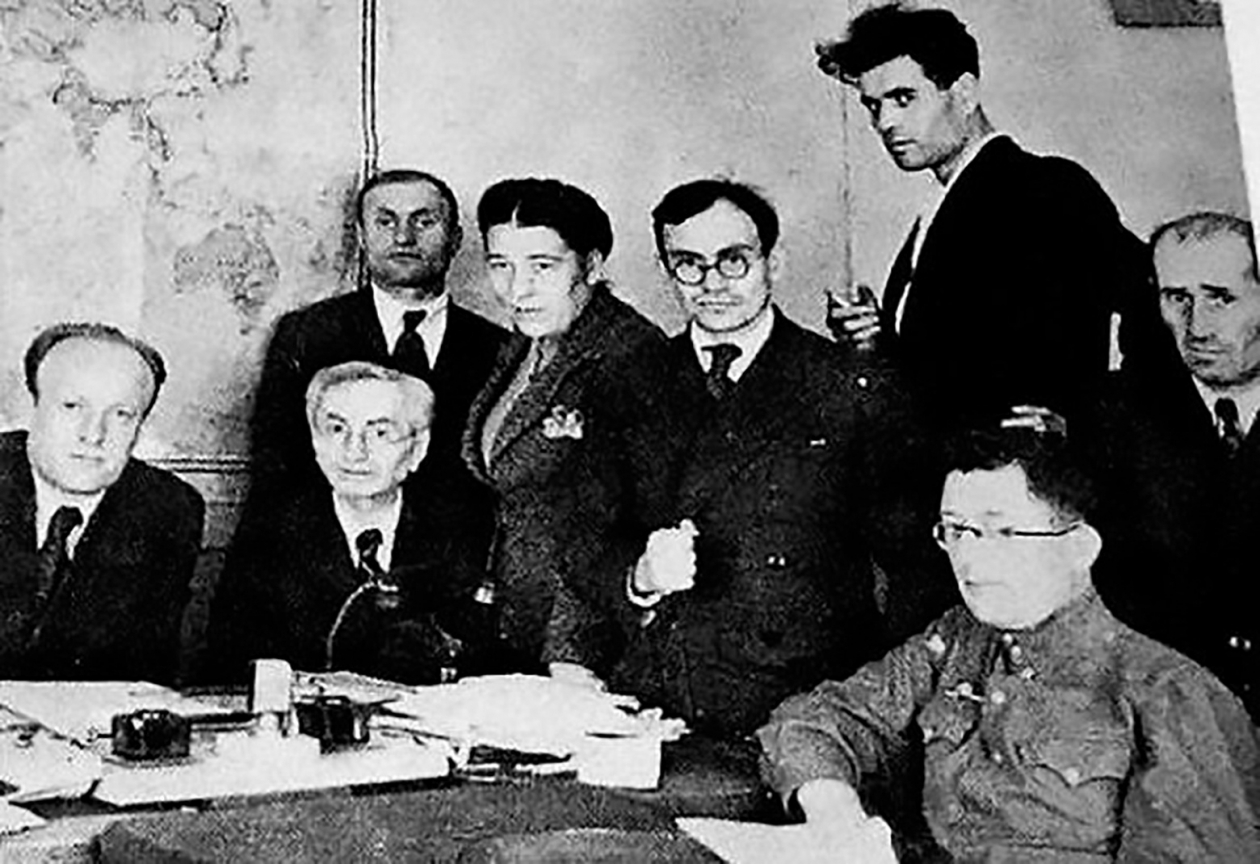
The editorial office of Birobidzhan Star and Birobidzhaner Stern. In the center, Lyubov Wasserman, writer – Salvador Borges. Photo: Gosarchive EAO
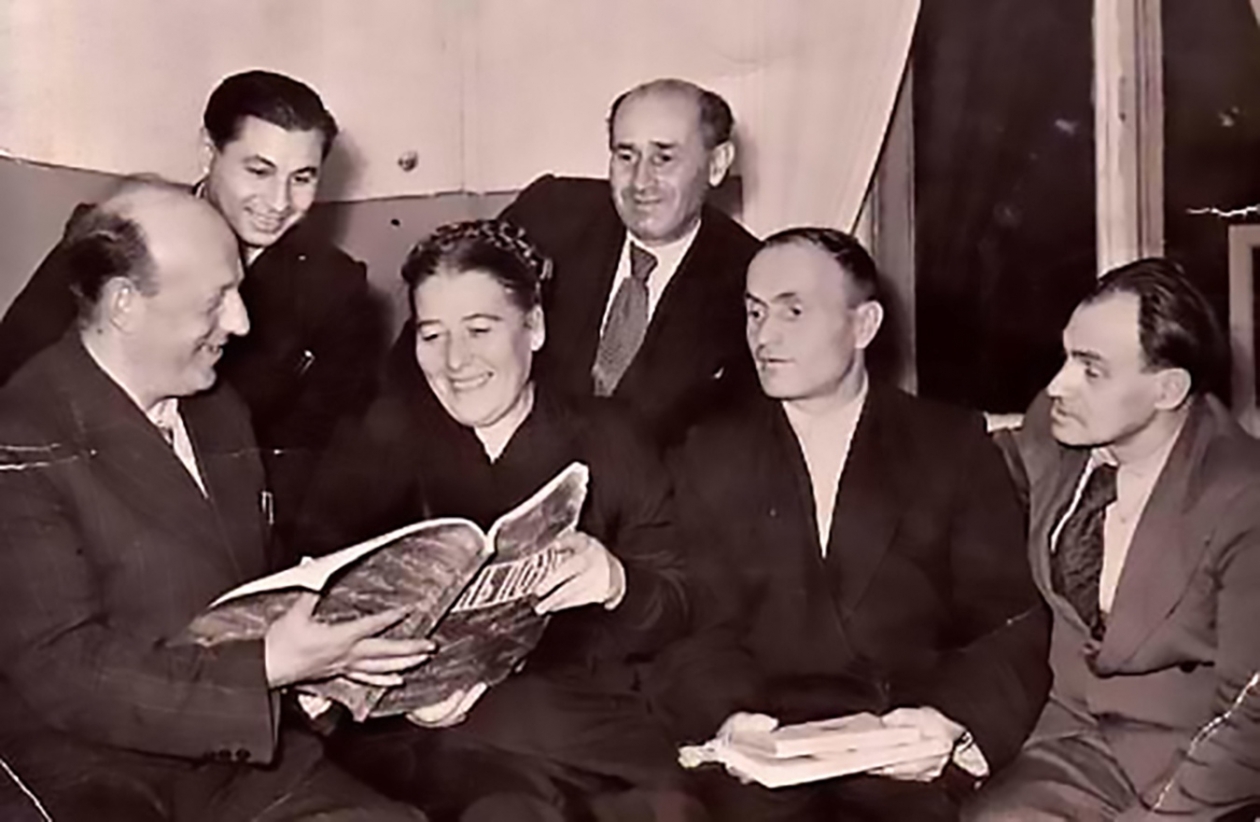
In the center, love Wasserman, above it, the writer is Salvador Borges. Photo: Gosarchive EAO
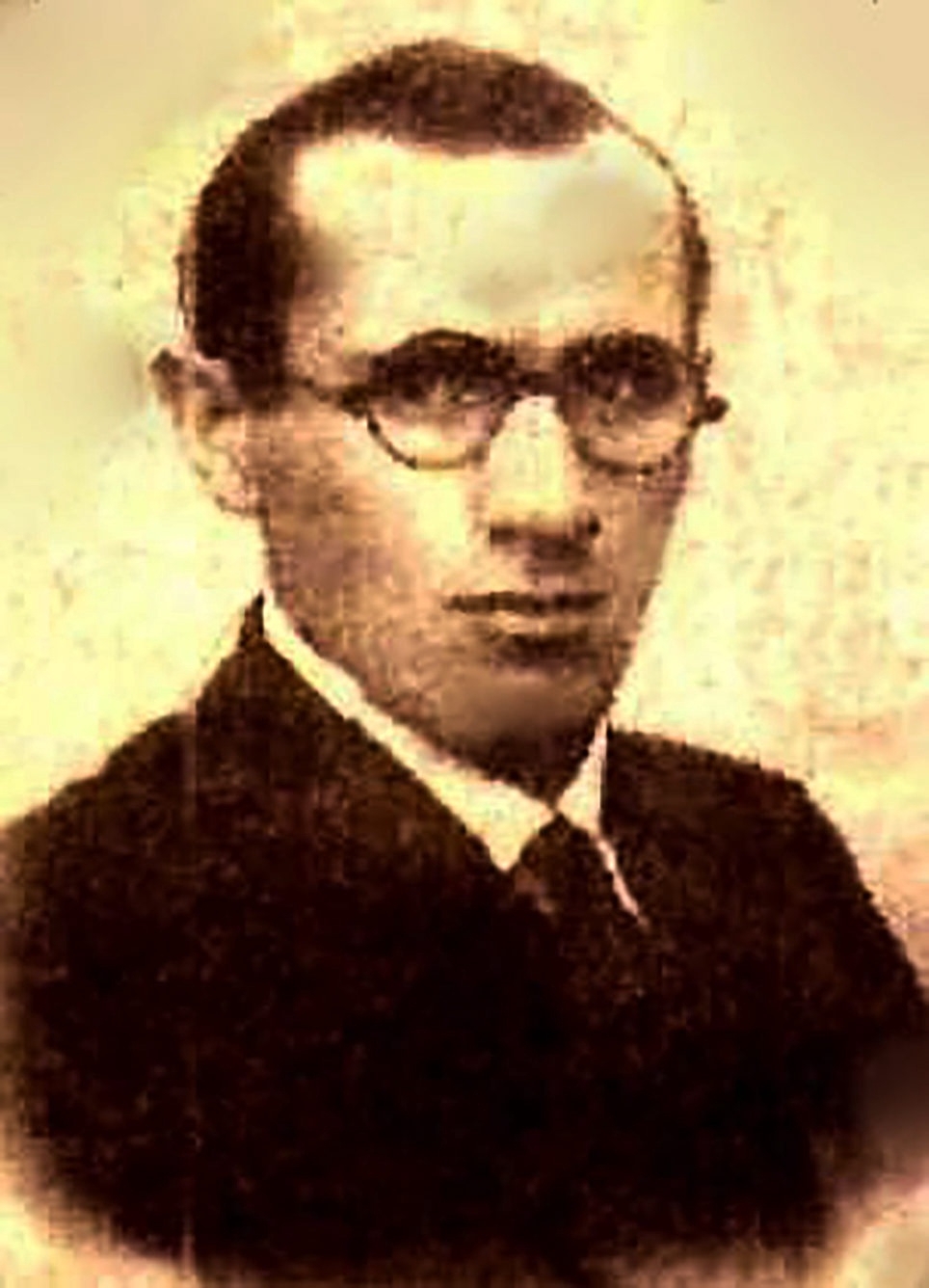
Salvador Borges (writer EAO). Photo: Gosarchive EAO
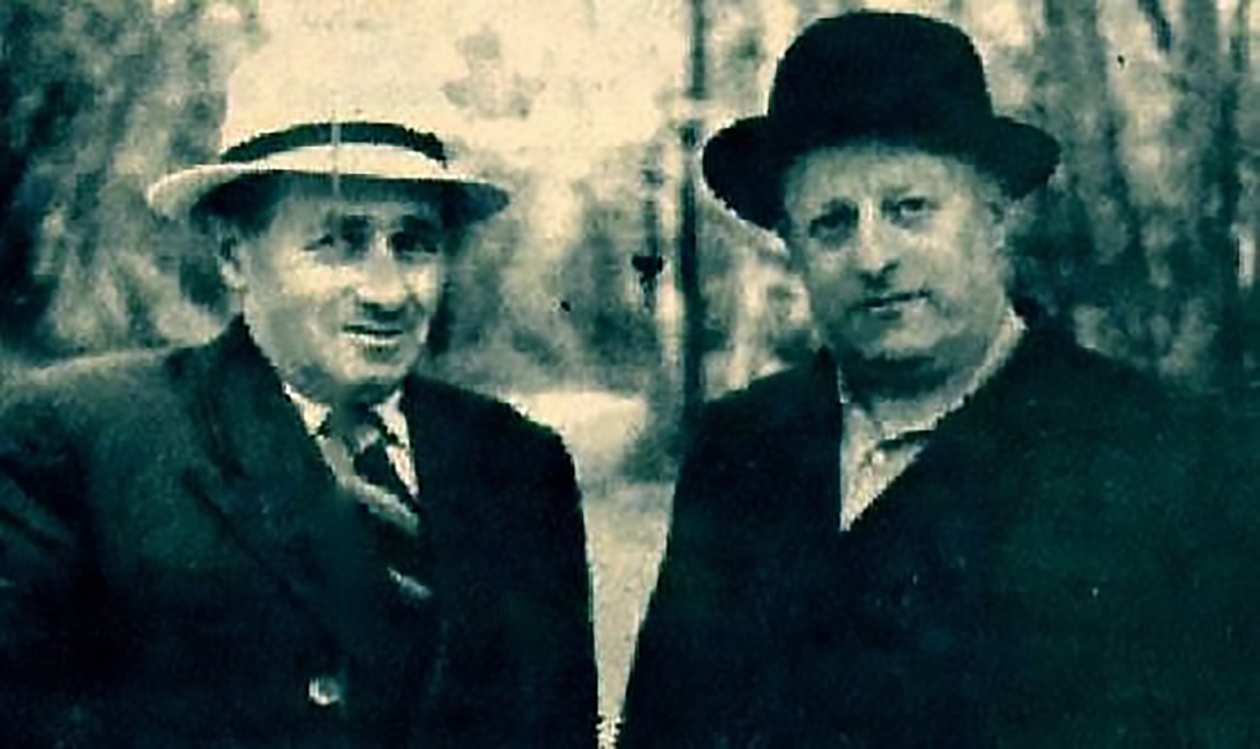
Salvador Borges and Isaac Bronfman. Photo: Gosarchive EAO
Borges S. was published in local newspapers, the magazine “Expost” (12+), the Almanac “Birobidzhan” (0+), in the newspaper “Eikanita” (12+), anthologies. The author of stories, essays, memories of Yiddish of many famous novels.
In 1937 and 1949 he was subjected to repression, returned to Birobidzhan. In 1949 he was fired from the newspaper and until 1956 worked as an agent who charged a fee for the use of radio points from the population. Rehabilitated.
S. Borges died in 1974 in Birobidzhan.
May 5, 2010
In Birobidzhan on the house on the street. Chapaeva, 2, where the writer Salvador Borges lived for many years, a memorial plaque was solemnly opened.
May 5, 1941
The Bureau of the Khabarovsk Regional Committee of the All -Union Communist Party of Bolsheviks and the Executive Committee of the Regional Council of the Workers' Deputies adopted a resolution “On Economic and Cultural Building in the Jewish Autonomous Region”.
It notes that over the years of its existence, the region has achieved significant success in the development of industry, agriculture and socialist culture.
The rationale factory, a sewing factory, a Byrrine timber plant, a lime factory, a furniture factory and a number of other enterprises were built and commissioned. The gross products of the state industry increased from 1.8 million rubles in 1934 to 16.4 million rubles in 1940, accordingly, gross products of the cooperative industry increased from 3.9 to 38.7 million rubles.
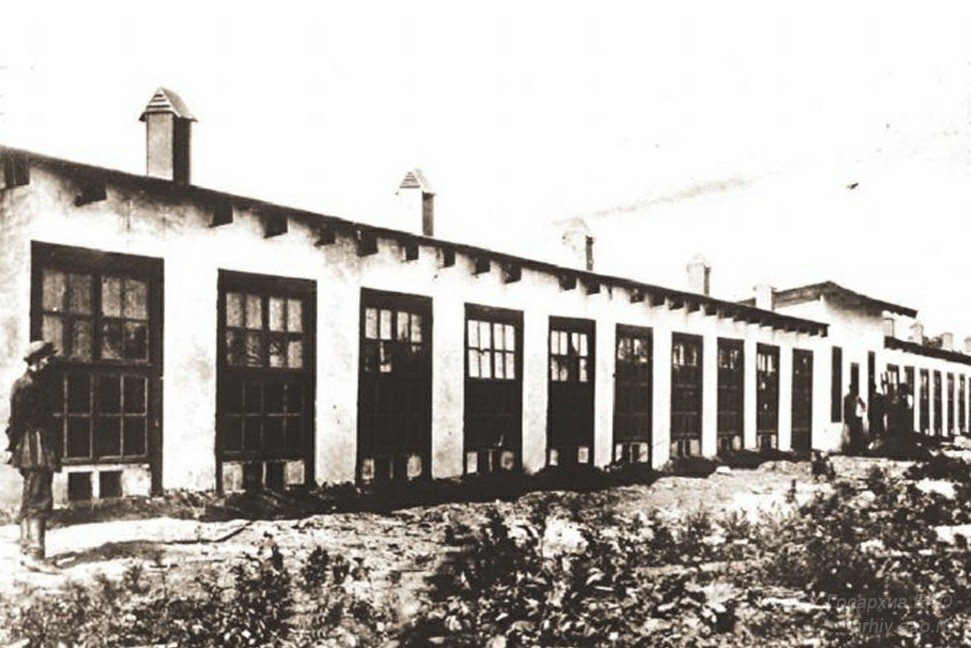
Birobidzhan sewing factory. The end of the 1930s .. Photo: Gosarchive EAO
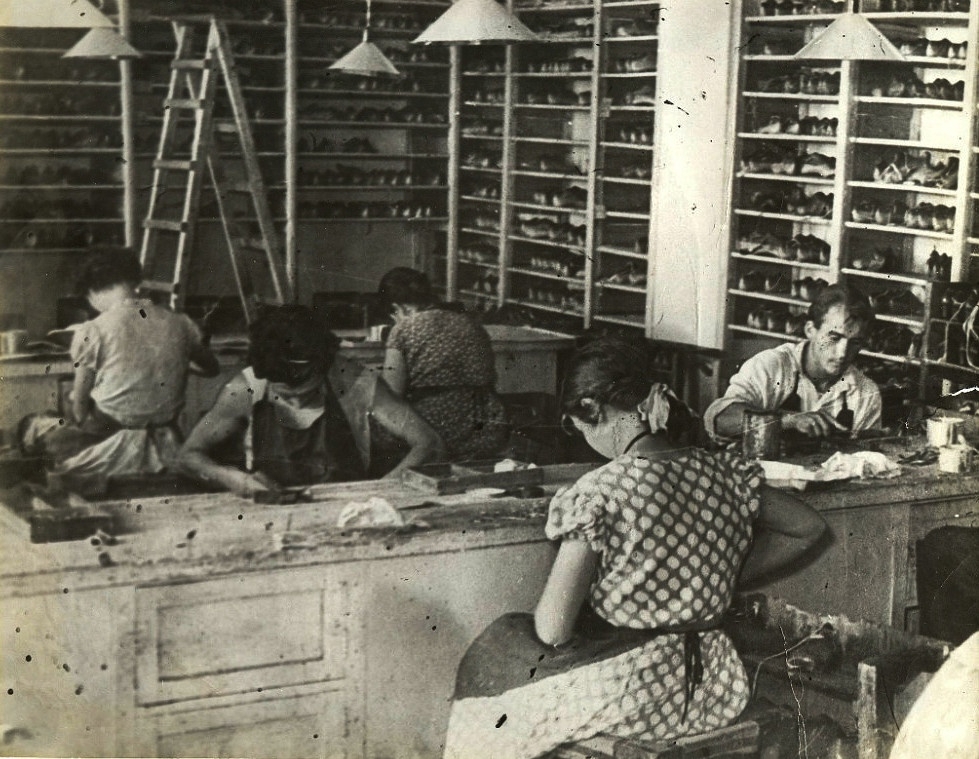
Shoe factory. Photo: Gosarchive EAO
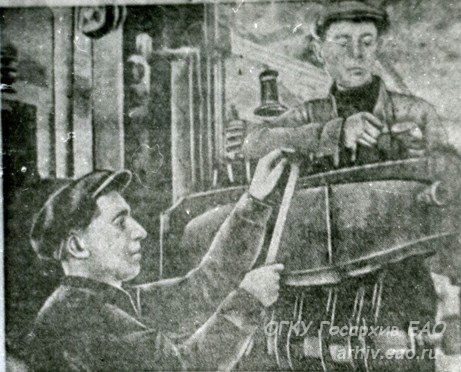
Workers of the Birobidzhan Steacle Plant Volynsky V. Sh., Burd S.M. 1941. Photo: Gosarchive EAO
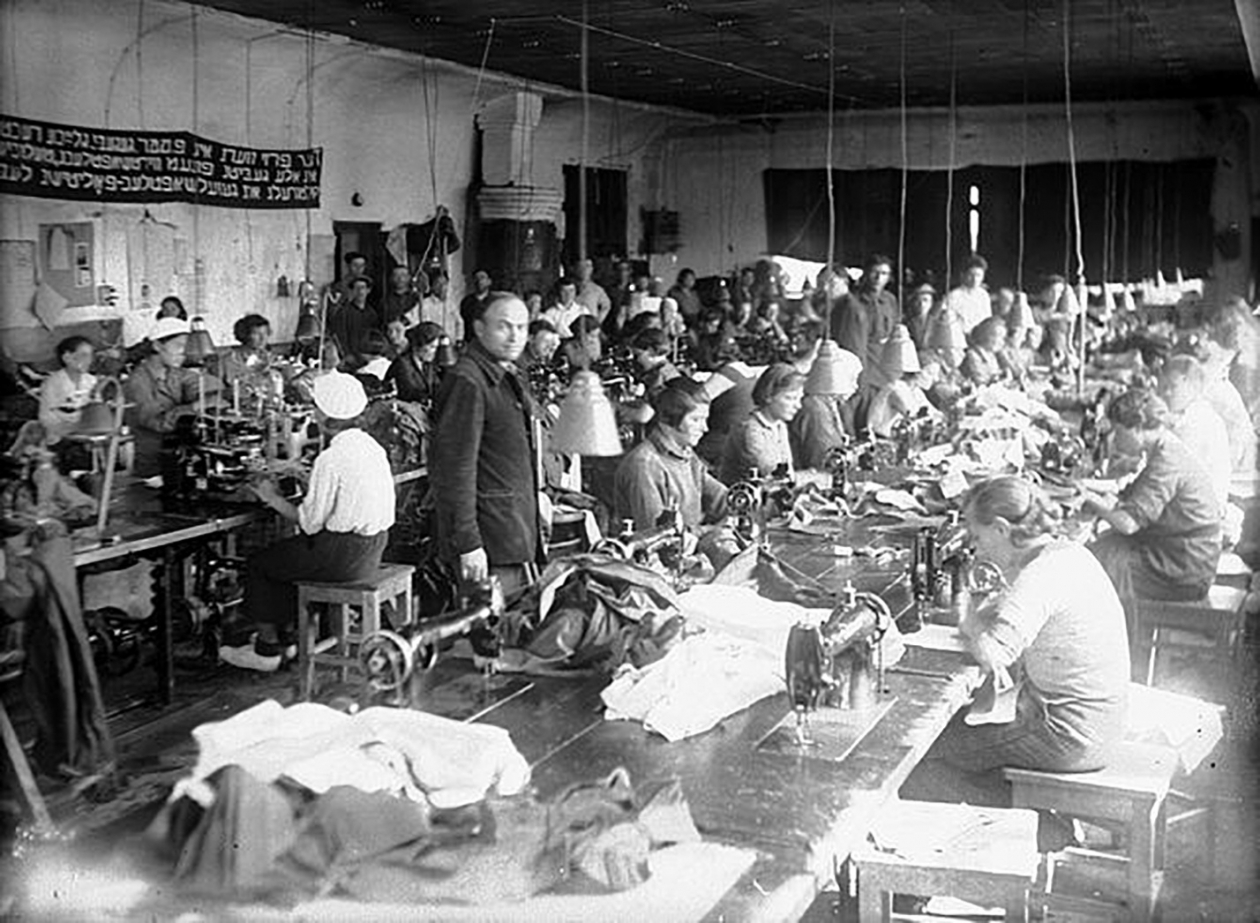
The sewing factory during the war sewed parachutes. Photo: Gosarchive EAO
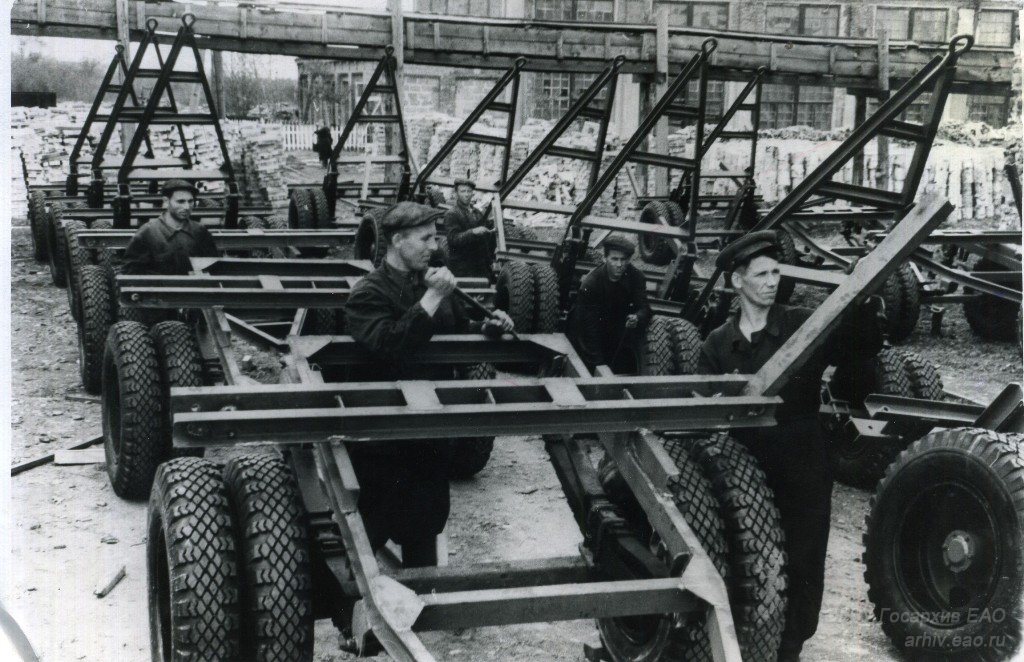
Birobidzhan Constructure Plant. 1954. Photo: Gosarchive EAO
Sowing areas over this period increased by more than 10 thousand hectares.
The resolution defines measures to further raise the economic and cultural construction of the Jewish Autonomous Region.
May 5, 1947
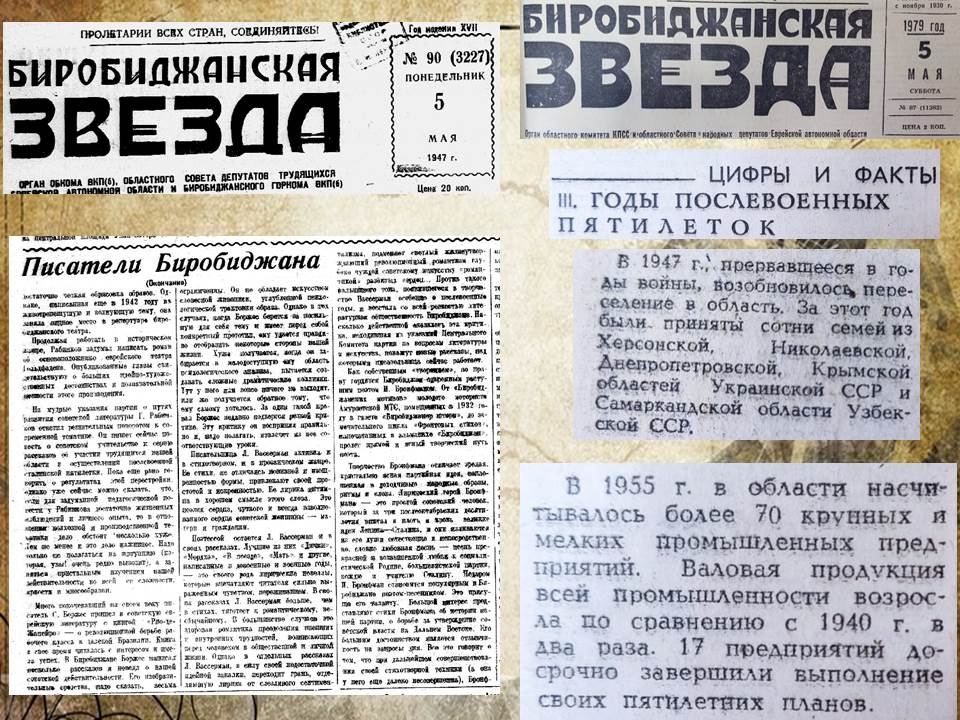
Cutting from the newspaper “Birobidzhan Star”. Photo: Photo: Regional Library
In the “Birobidzhan Star” (12+) for May 5, 1947, an article by Naum Friedman “Writers of Birobidzhan” was published. It gives a critical assessment of the work of B. Miller, G, Rabinkov, L. Wasserman and I. Bronfman.
May 5, 1956
The Plenum of the Regional Committee of the CPSU discussed the state and measures to improve the work of state farms of the region. It was noted that the sowing area of state farms is 19.4 thousand hectares or 21% of the crops of collective farms and state farms combined: they have 3635 heads of cattle. In 1956, 20-25% of the production of agricultural products of the region concentrated on state farms. It was decided to introduce into the circulation in 1956 at least 19500 hectares of new lands at the expense of virgin lands and deposits, to build silo structures for 12 thousand tons, prepare rude and juicy feeds of 34.1 thousand tons, and put 12 livestock rooms into operation.
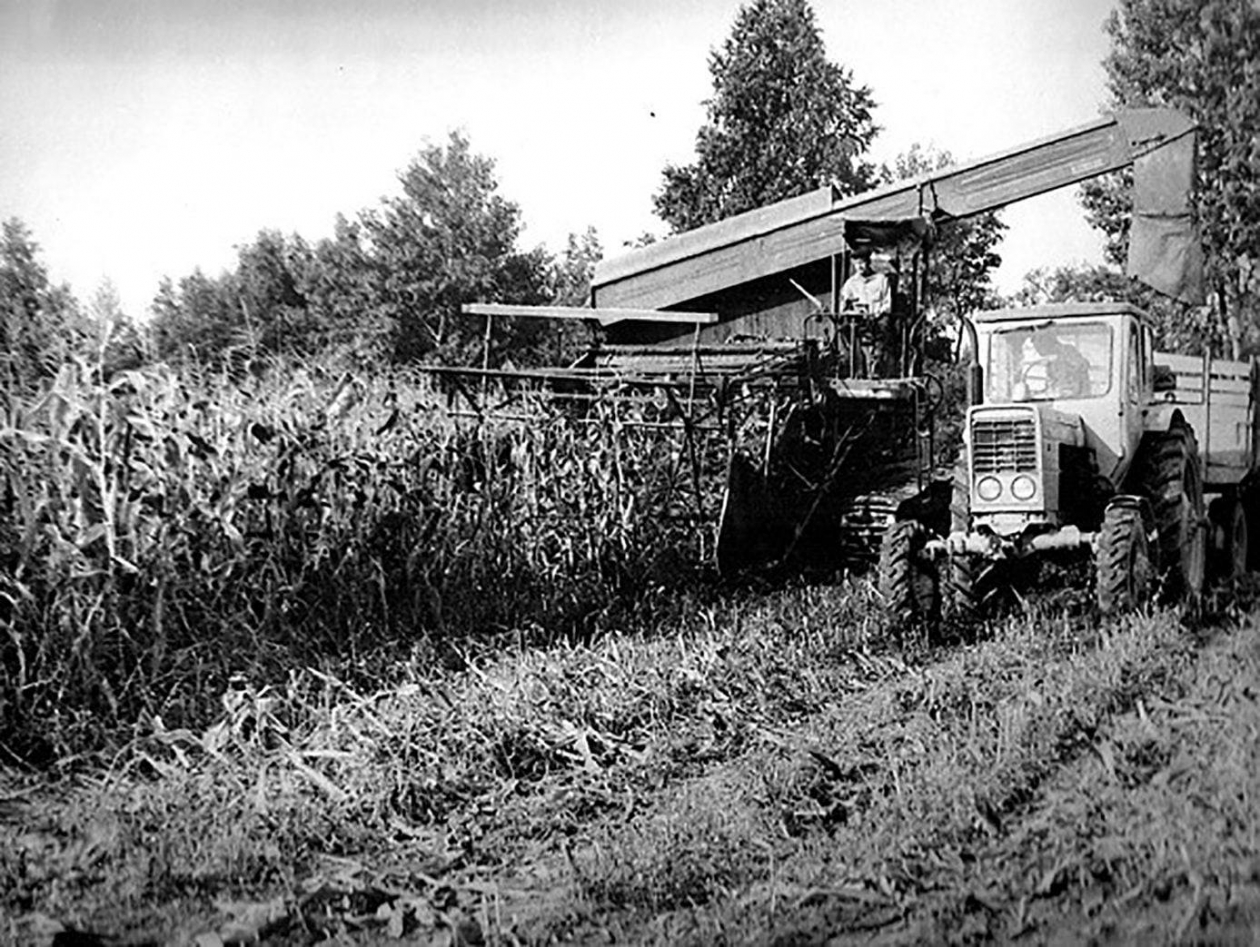
Birobidzha district of EAO. Photo: Gosarchive EAO
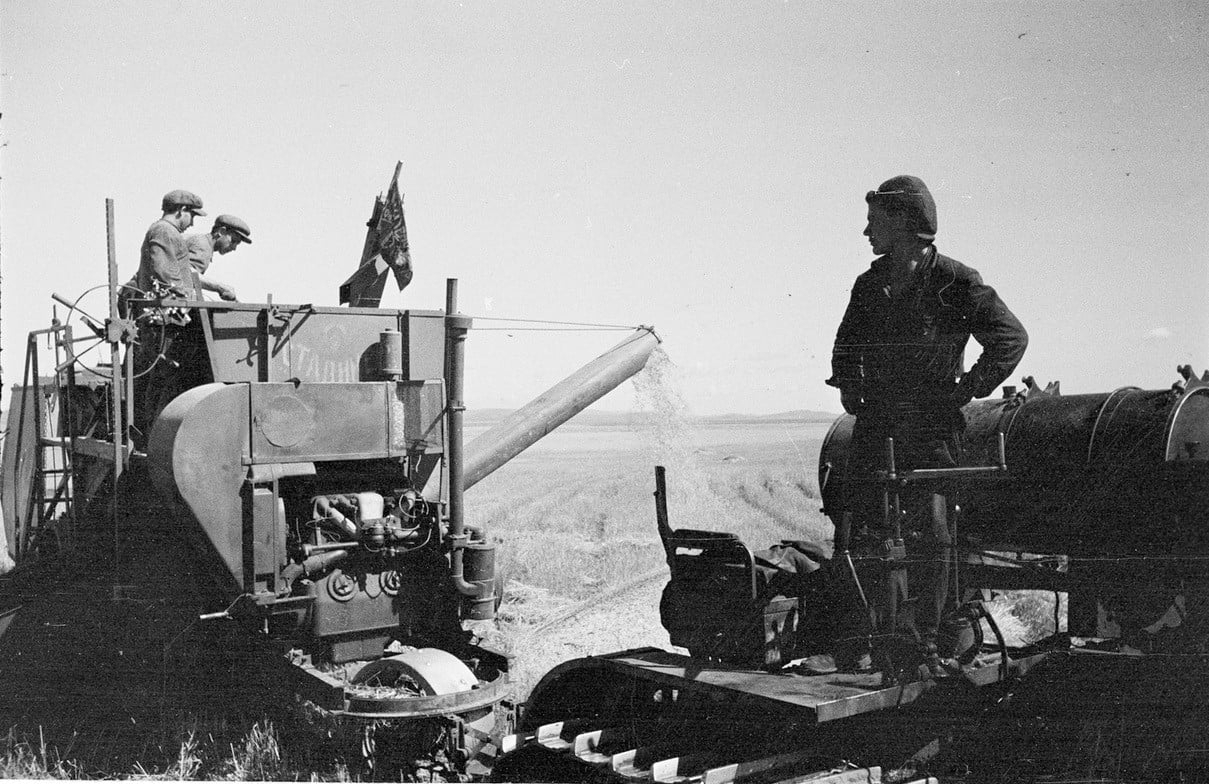
Birobidzha district of EAO. Photo: Gosarchive EAO
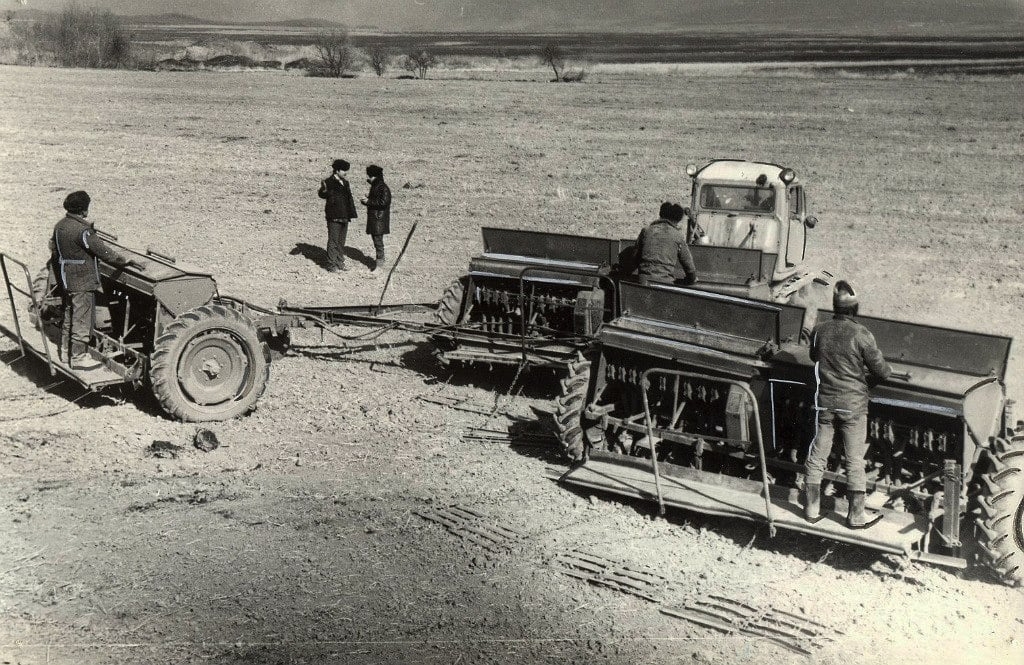
Birobidzha district of EAO. Photo: Gosarchive EAO
The Plenum ordered party, trade union organizations to increase the level of socialist competition, to mobilize the teams of workers and employees of state farms for early completion of the established tasks in the first year of the sixth five -year plan.
May 5, 1979
The newspaper “Birobidzhan Zvezda” in the heading of numbers and facts posted the materials of the regional party archive about labor successes, production achievements, awards of advanced collectives of the region, important events, party meetings and conferences over the years of post -war five -year -olds from 1946 to 1975.
Let us turn to some facts from the article:
“In 1946, when the country was still healed by the wounds inflicted on the war, the regulations of the party and government were aimed at further strengthening the economy and culture, the improvement of the material well -being of the workers of our region. Industrial enterprises were made by high assistance to materials and equipment, MTS and state farms received a large number of new equipment, collective farms were provided with seeds of grain cultures and forage for public Livestocks.
In January 1946, by decision of the State Defense Committee on the basis of the Khnggana Olov deposit, the construction of the plant began. Soon the enrichment factory was put into operation.
In the village of Birakan, a paper factory began to work.
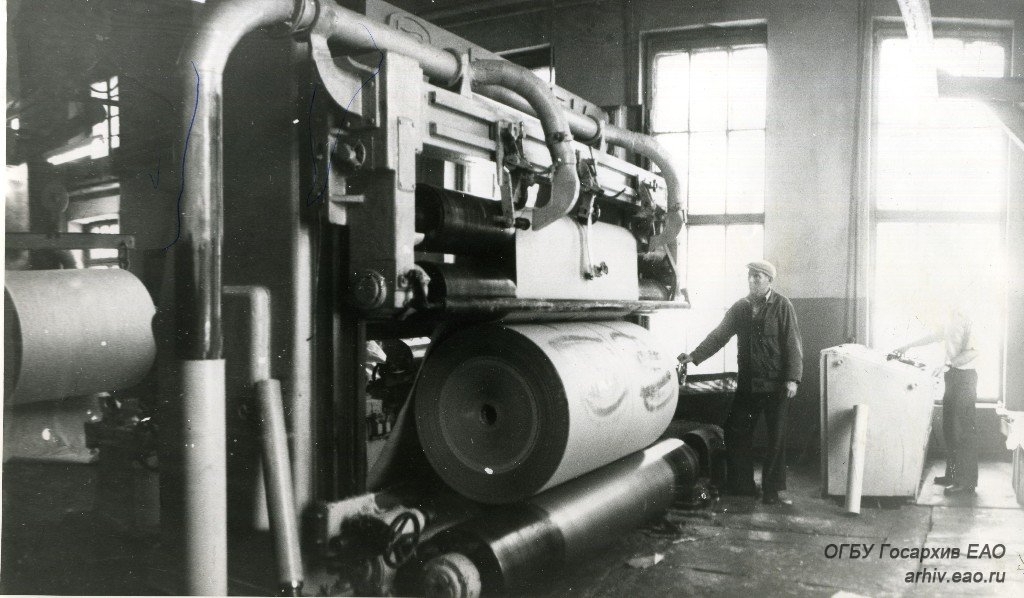
Workshop of the Birakan Paper Factory 1978. Photo: Photo: Gosarchive EAO
The construction of the Teploozersky cement plant resumed, which began in 1940 and was interrupted in connection with the Great Patriotic War. In 1949, the first stage of this plant was commissioned.
In 1950, the unification of small collective farms began into large ones. In the region, 23 farms were enlarged. This made it possible to more effectively resolve issues related to the further development of agricultural production, it is better to use material and human resources, significantly reduce the administrative and administrative apparatus, and more energetically implement the achievement of science and advanced experience, and increase labor productivity.
One of the first in the field of the rank of communist labor brigade was awarded the brigade of the mason Birobidzhanstroy, headed by communist David Yakovlevich Glezer. In April 1962, this brigade, striving to take part in the rise of agriculture with its immediate difficulty, switched to the construction of cultural and industrial buildings in the state farms of the region. “
May 5, 1991
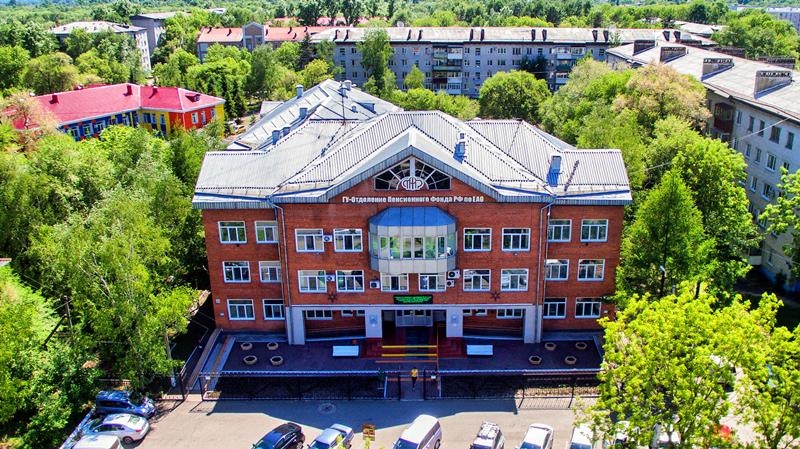
Department of the PFR EAO. Photo: Photo: PFR website EAO
In accordance with the Decree of the Board of the Pension Fund of the RSFSR dated May 5, 1991 No. 87, the Department of the Pension Fund of the RSFSR in the Jewish Autonomous Region was formed.


