Will the second time be lucky? What does the Ukrainian press write about the presidential elections resumed in Romania?

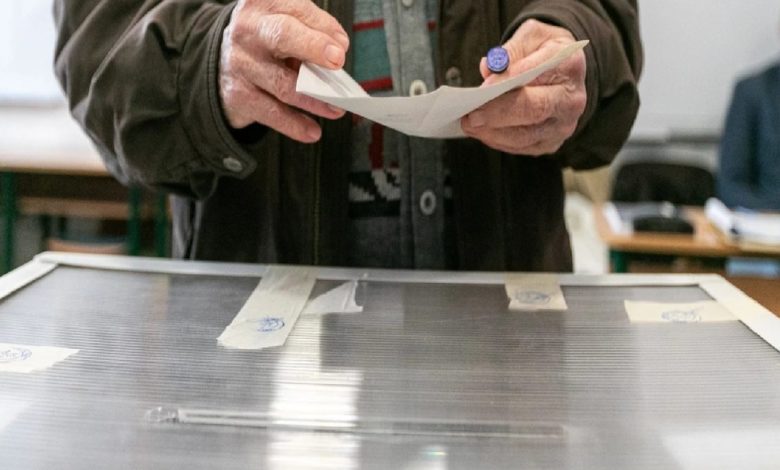
Romania was returned on Sunday, May 4, to the ballot box, in a tense democratic exercise, with a regional stake, after the cancellation of the previous electoral tour. The vote takes place in a climate of distrust and challenge, and the confrontation between pro-European and extreme candidates risks redefining the country's position at a key moment for NATO's eastern flank, writes Kyiv Post.
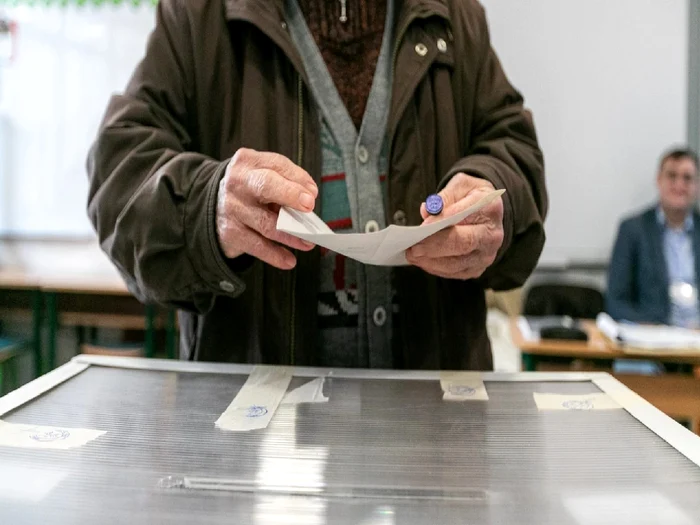
Romanians vote massively/photo: Facebook
Canceled elections, controversial candidates
The unprecedented decision of the Constitutional Court of January, by which the first tour of the presidential elections of November 2024 was invalidated, was based on clear indices regarding a wide foreign interference, of Russian origin – from the aggressive promotion of electoral messages on social networks, to cyber attacks against the Digital Infrastructure. The best placed candidate at that time, Călin Georgescu, was later excluded from the Central Electoral Bureau, on the grounds of promoting some extremist and antidemocratic visions.
The measure divided the Romanian society and fueled the conspiracy discourses, especially in the area of the nationalist electorate. Georgescu's exclusion was challenged by international officials, such as US Vice -President JD Vance, who suggested that Romania's democracy should not be fragile to external digital campaigns.
Main candidates and strategic positions
In the created context, the elections of May 4 gain a double significance: on the one hand, they are a test of institutional resilience in the face of misinformation, and on the other hand, a battle for the external direction of the country.
George Simion, the golden leader, is favorite in polls, with about 30% of the voting intentions. His sovereign rhetoric and anti-system discourse have gained ground, despite serious accusations regarding connections with Russian secret services and prohibitions imposed by Ukraine and Moldova. Simion avoided the electoral debates and focused his campaign on direct messages to his loyal electorate, relying on massive mobilization in the online environment. Although it is critically declared by the Kremlin regime, he challenged the military support granted to Ukraine, a position performed by some analysts as a masked form of relief to Russia's interests.
Crin Antonescu, former interim president and a prominent figure of the policy of the last decade, returns with the support of the ruling coalition. It promotes a moderate, pro-European, but conservative position in social matters. Antonescu rejected the idea of direct military involvement in Ukraine, pleading for continuing political and logistical support to Kiev.
Nicușor Dan, the independent mayor of the capital, is in third place in polls. With a platform focused on anti-corruption, Dan is supported by the pro-European electorate, and has constantly expressed support for Ukraine and increasing the defense budget. However, he was criticized for relationships with a controversial businessman, associated with pro -circles.
A debateless campaign with an undecided electorate
The election campaign was noted by a notable absence of television debates. Simion completely refused participation, while Antonescu and Dan had sporadic appearances. Almost 40% of the voters declared, according to the polls, undecided just days before the poll.
According to ANCOM, during the pre-election period, a network of false sites was discovered, which imitated state institutions and national average. These would have been used to disseminate manipulative messages, in a scenario similar to the known tactics of Russian misinformation, writes Kyiv Independent.
Geopolitics, the hidden stake of the vote
Romania's position within NATO and the European Union is put into play in these elections, in the context in which the country is actively involved in support of Ukraine, hosts strategic military infrastructure and is facing security challenges in the Black Sea region.
Regardless of who will enter the second round, provided for May 18, the future president of Romania will have to manage not only internal tensions and political polarization, but also significant external pressures, in a fragile and unpredictable regional climate, stresses Zerkalo Nedeli.