The Bucharest residents, in the old Bucharest. What were the rules on the day of the elections that, if you violated, you received “oyster condemnations”

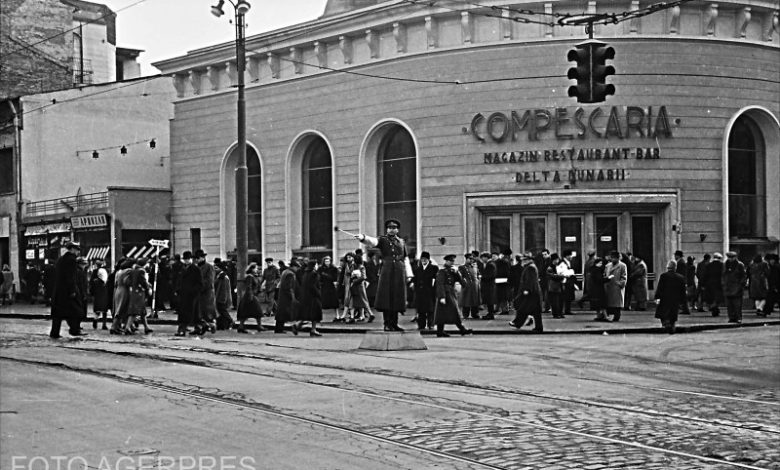
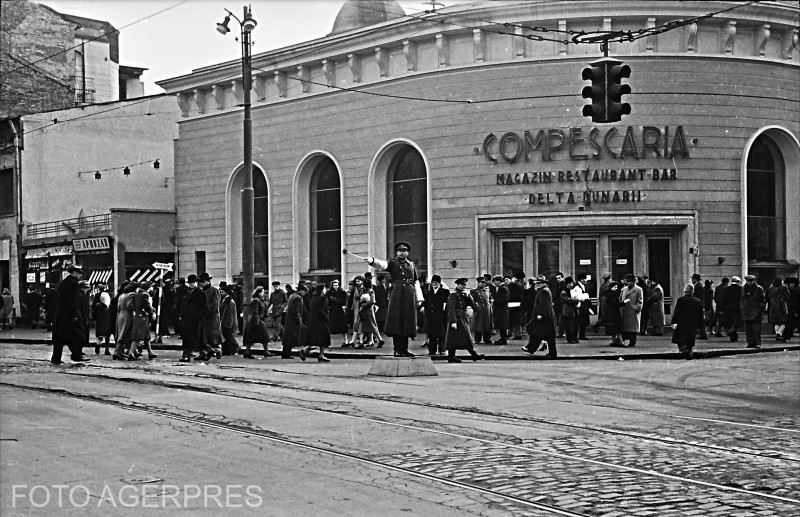
Traffic agent, directing traffic, on Calea Victoriei. Photo source: Agerpres
We are 18 million people with voting rights, and the main condition is to be 18 years old on the day of the poll. But things are not always so.
Over time, Romania has passed from the censitar vote (which means that they had the right to vote only the wealthy or those who formed the country's elite) to the universal vote, then to the liquidation and collapse of democracy, with the establishment of communism. Then, in '90, we returned to the universal vote.
The first electoral act was the one after which the Romanian state was born: the double choice of Alexandru Ioan Cuza, in Moldova and the Romanian Country, on January 5 and 24, 1859.
In 1864, the ruler Cuza organized a plebiscite for the adoption of the electoral law and instituted the Bicameral parliamentary system.
From '64 to 1919, it was the censist vote. Only those who were born Romanians were allowed to choose, they were working, paid taxes and they were 25 years old. If you were born poor or woman, you wouldn't vote. Simple.
The electoral law of July 2, 1864, promulgated by Alexandru Ioan Cuza, provided not only who has the right to vote, but also what are the strict rules on the day of the elections.
Read, on B365.ro, how harsh the punishments were and why.