NATO has faced the most serious challenge in decades. US strategy – so -called Nuclear umbrella – is becoming more and more difficult for Washington to maintain. For over 10 years, Moscow and Beijing have been systematically expanding their nuclear weapons and consider the threat of atomic weapons as a legal means of implementing their expansionist policy. In the war against Ukraine, a Chinese-Russian Entente, a Russian-North-Vocated Alliance and a wide Russian-Iranian-North Core cooperation emerge. These alliances are based on clear joint intention of eliminating the liberal international orderwhich was created after World War II.
The arbitrary military weakness of many wealthy European (and Asian) allies increases the risk that “extended deterrent”, provided by the United States, may fail. It should not be surprising, therefore, that Washington feels today forced to re -assess the costs and the risk associated with the protection of allies – Especially those who decided not to engage militarily sufficiently. The need to re -assess allied obligations exists Regardless of who is currently sitting in the White House.
Lower defense expenses could be justified immediately after the end of the Cold War, when on both sides of the Atlantic there was a belief that the “new world order” would exclude war between powers. Russia and China, according to the widespread belief at the time, abandoned their remarkable, aggressive goals for economic integration with the West. Therefore, the United States and their allies sought to benefit from “peace dividend”. The last 15 years, however, showed that the expectations of the peaceful “new world order” were hopelessly naive. Nevertheless, the United States and their allies have long refused to end their “break from history”.
“Much more than 3 percent”
New threats put NATO before a fundamental challenge: The block needs a new model of actionin which the risk and loads will be re -distributed again, and deterrent will continue to effectively prevent wars. President Trump in a non -graduate language emphasized that Alliance members must make a greater contributionif NATO is to remain a priority for the USA. For allies, this means above all higher defense expenses.
Already about 20 years ago, when the world was much calmer than today, NATO considered it necessary for this purpose 2 percent. GDP. Today the threshold should be much higher. NATO Secretary General Mark Rutte recently stated that “much more than 3 percent” is needed. However, even if most members increased their defense expenses to (slightly) over 2 percent. GDP, some still remain much below the minimum threshold, for example Belgium, Italy, Canada, Portugal and Spain.
Continuation of the material under the video
Allied partners who are still neglecting their efforts to defense, not only expose themselves to the risk of promoting expansionist aggression, autocratic powers. Also risk that The United States will no longer treat their safety as a priority. The North Atlantic Treaty does not oblige Washington to take the risk of expanding nuclear deterrence to allies or armed intervention on them. If allies still want to rely on the collective defense provided by the US and NATO, they must also contribute to reinstalling the collective ability to deter the West.
Fortunately, important allies now seem ready to take such actions. Some even intend to exceed the threshold of 3 percent. Even the Germans, which for a long time belonged to the weakest NATO links, have recently created grounds for a significant increase in defense expenditure. This trend must support itself. This is not about making a favor to the United States, but about strengthening Europe's security.
Donald Trump's success
As allies take over the greater responsibility again, Washington must make it clear for its part that the United States will not withdraw from NATOthey will not give up a nuclear umbrella or will not look at the attachment of an ally. The US must also prove that they will not allow Ukraine to occupy. Such steps would give Putin exactly what Moscow has been striving for for over 60 years: NATO breakup. Washington will not make Putin this favor. The thwarting of Moscow's plans is because An issue not only of European, but also American security.
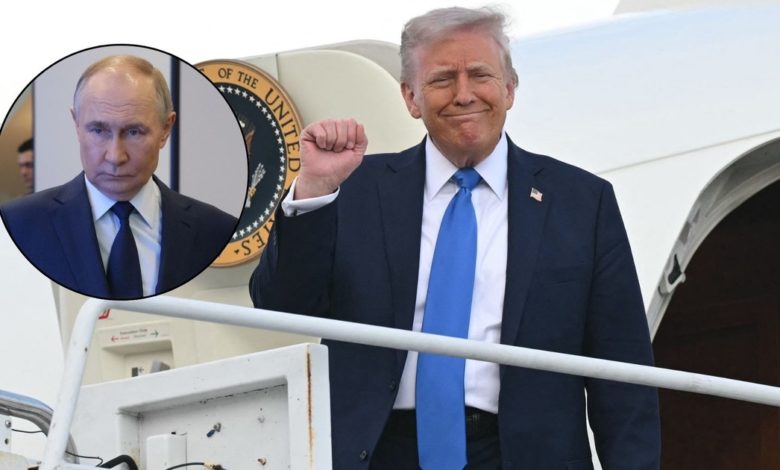
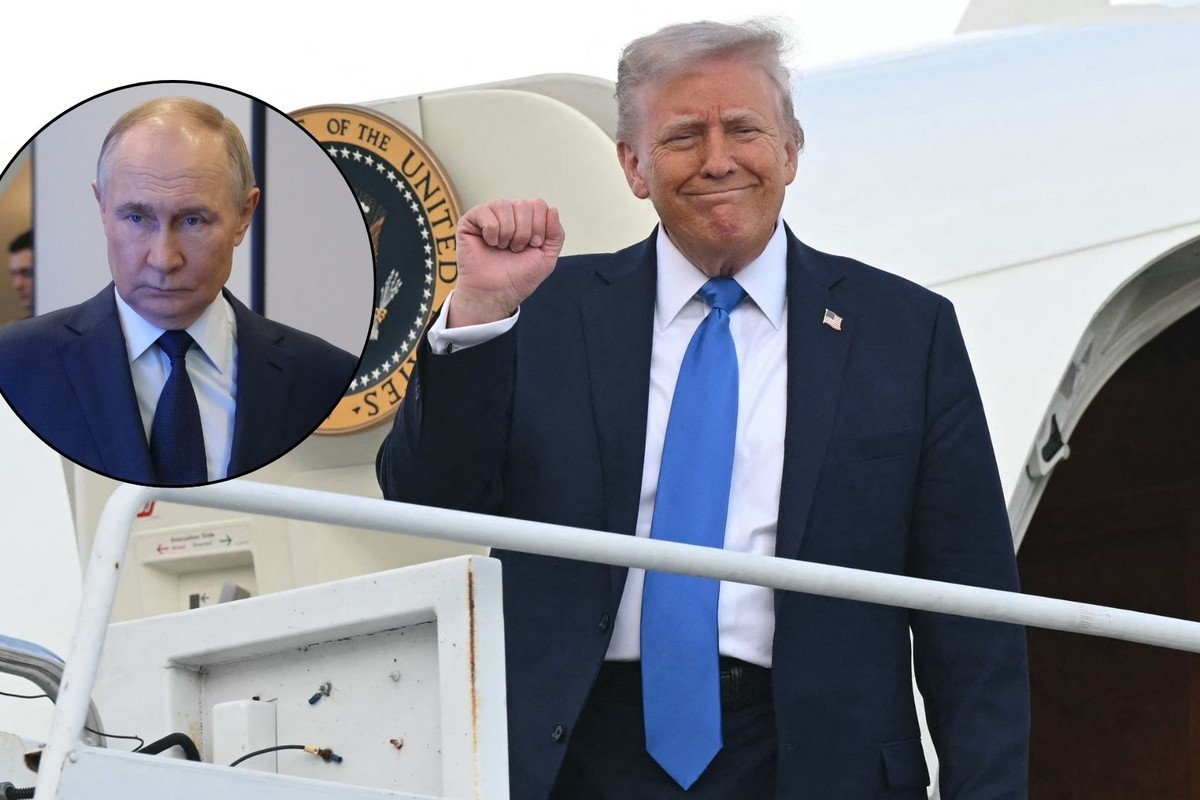
President Trump has virtually all reasons to celebrate success. His extremely direct language has finally achieved what its predecessors tried unsuccessfully: he managed to get allies to increase defensive efforts to strengthen joint deterrence. Thanks to this, American allied obligations are becoming more reliable again.
Mark Rutte rightly noted that It is not a time for independent actions. The transatlantic community must stick together. However, allies can no longer feed the illusions that the extended US deterrence policy will protect them from all kinds of aggression and that in the future they will still be able to afford the role of observers.
Therefore, NATO must adapt to the new threat situation. US allies must significantly increase investments in European security, so that the costs and risk associated with maintaining the American role of the leader becomes acceptable. When these two sides of the equation agree again, Putin will be dissatisfied, but Europe and the United States will be safer.
I’m Ashley Davis as an editor, I’m committed to upholding the highest standards of integrity and accuracy in every piece we publish. My work is driven by curiosity, a passion for truth, and a belief that journalism plays a crucial role in shaping public discourse. I strive to tell stories that not only inform but also inspire action and conversation.