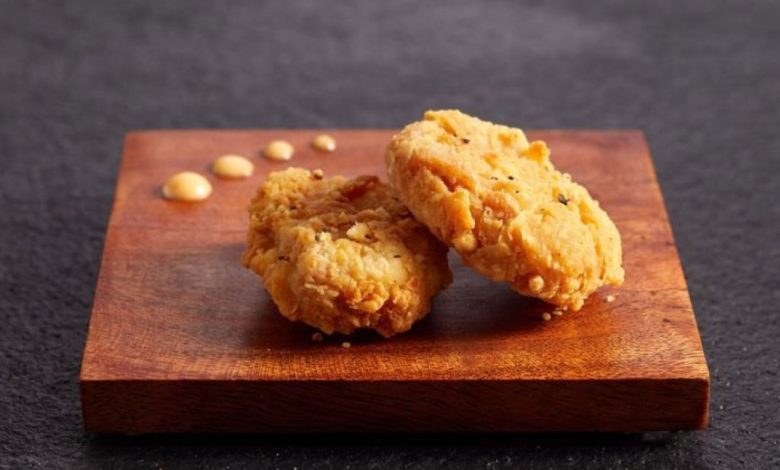
Lately, more and more companies have promoted the idea of artificial meat worldwide, with which you can make a false shaorma with “lamb”, false “beef”, “smoked ham” and even “chicken”.

More and more people are calling for a “flexitar” diet
More and more people are resorting to a “flexitis” diet, wanting to avoid meat consumption at each meal, but many do not feel comfortable with this artificial meat produced industrially, especially as they increase the concerns about health problems related to ultra-processive foods.
Recognizing the problem, one of the pioneers of the meat substitutes market, this company has launched a new product, which seems like a radical direction. The company that built its image on the denial, with products like “This isn't pork sausages”, “this isn't beef mind” and, yes, those artificial chicken pulps, gave up negativity and launched “this is superfood”. As explained by CEO Mark Cuddigan, “We are famous at this time for” This isn't … Its Starting a New Fashion of Our Business, and that is this. “
How good is “Superiment“? Certainly not trying to be meat. A small block, somewhere between Tofu and Tempeh, is full of easily recognizable seeds, including pumpkin, in and chia, and has a pleasant and intense aroma of fungi, from the shiitake mushrooms. The only ingredients in the list that could question”the natural aroma ” unspecified and the protein made of Faba beans, which falls the test “Something you could cook at home ”.
Otherwise, it looks pretty appetizing, writes The Thelegaph. But there is nothing new about healthy foods, high in protein and meat. Here are some of the millennia:
Tempeh
Nutrition of Tempeh: protein 21.3g; 6,1g fibers; Fat 10.9g.
Think about it as a tasty flapjack: a lot of boiled soy mixed with a starter of mushrooms, crushed and left to ferment until a white fluff is developed as mycelium-which sticks the grains together in a firm block.
It is a basic food in Java, Indonesia, and is usually sliced or cut into cubes before being fried, baked or steaming. It has its own aroma – mushrooms and nuts, with a bitter note, but absorbs and flavors of sauces and marinades.
Tofu
Nutrition for extra firm tofu: 16.5g proteins, 1.9g fibers, 7.8g fat.
It is prepared by grinding soybeans with water, squeezing the liquid to obtain milk, then strengthening it either with calcium sulfate or magnesium chloride. Initially very soft, by draining and pressing becomes first silk, then soft, medium, firm and finally very firm. The softer versions require a delicate handling, because they break easily, but they are excellent for Tofu Mapo in Sichuan.
Tofu stronger can be used, such as Halloum or Paneer, and added to Stir-Fry and Braces or cooked in an air fryer. Basically without aroma, Tofu absorbs sauces and marinades perfectly.
Quorn
Nutrition of vegetarian pieces Quorn: 13G proteins, 3.8g fibers, 3g fat.
Launched in 1985, Quorn was the first on the meat -free products market and is a British success story – the headquarters is in Stokesley, North Yorkshire. Still being the largest alternative to meat in the UK, its range includes sixteen fully vegan products, plus some containing egg white, such as Quorn Pieces.
It is made of a protein-rich microcity, discovered in Buckinghamshire, which grows in meat-like threads. It does not have a great taste of itself, but it absorbs the aroma of the sauces and is good for cooking at wok.
Seitan
Nutrition of seitan: proteins 22.5g, 0.1g fibers, fat 6.9g.
Seitan rhymes with Leyton: Yes, the name is problematic, although the Vegan fast food chain, Temple of Seitan, is already using it. Essentially, it is wheat gluten and you can make your own dough by making a dough of flour and water, then kneading it under the water until the water flows clearly. By stretching it in one direction, meat-like threads are formed.
Some people consider it to taste a little similar to bread, but, as with the other options, it generally does not have much aroma. It can be rubberized and spongy, so it is the best light baking or steaming than on low heat.
Legume
Canned red beans: 7.5g proteins, 0.6g fiber, 1.8g fat.
Canned green lentils: 6.1g proteins, 4.4g fibers, 0.6g fat.
Canned green beans: 8g proteins, 7.2g fiber, 0.7g fat.
Although most beans and lentil are not complete proteins – you will need to include whole grains, nuts or seeds to make sure you get all nine essential amino acids – these are the least processed of all options. There is no need to be neurotic about their consumption on all in the same meal, so a decent mixture will be enough.
Legumes, including beaten beans, nasty, white beans and lentils, should not be confused with meat, not even if they are crushed in a burger, but they do not need marination, because they have a pleasant and gentle aroma.
They are cheap and really very good, in soups, salads and whatever has a lot of sauce.