The two largest countries in the eastern border of the European Union and NATO, Poland and Romania, organize in May crucial presidential elections for the future of the region, but also of European security, at a time marked by the ascension of the nationalist-sourceranist forces, against the backdrop of the War in Ukraine.
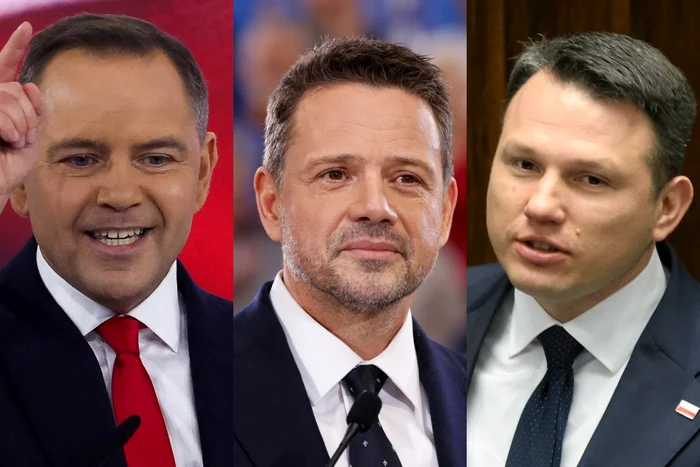
Karol Nawrocki rafal-trzaskowski slawomir-send/ photo: x
Both states have the same strategic interests, plays an extremely important role in supporting Ukraine and also ensuring security in the most sensitive geostrategic areas, in the Baltic Sea, Poland, and the Black Sea, in terms of Romania. In this regard, Poland has engaged in a massive program of military endowment and training with 4.7% of GDP defense, while Romania provides for defense expenses of 2.5% of GDP this year. The two countries are also the largest savings in Central and Eastern Europe, with significant increases in recent decades, reaching similar levels in terms of gross domestic product compared to purchasing power, about 80%, from the European average, according to the data of the European Commission.
The elections in Poland and those in Romania overlap in one of the rounds, on May 18, when the second tour in Romania is organized, and in Poland-the first round. The final in Poland is scheduled on June 1.
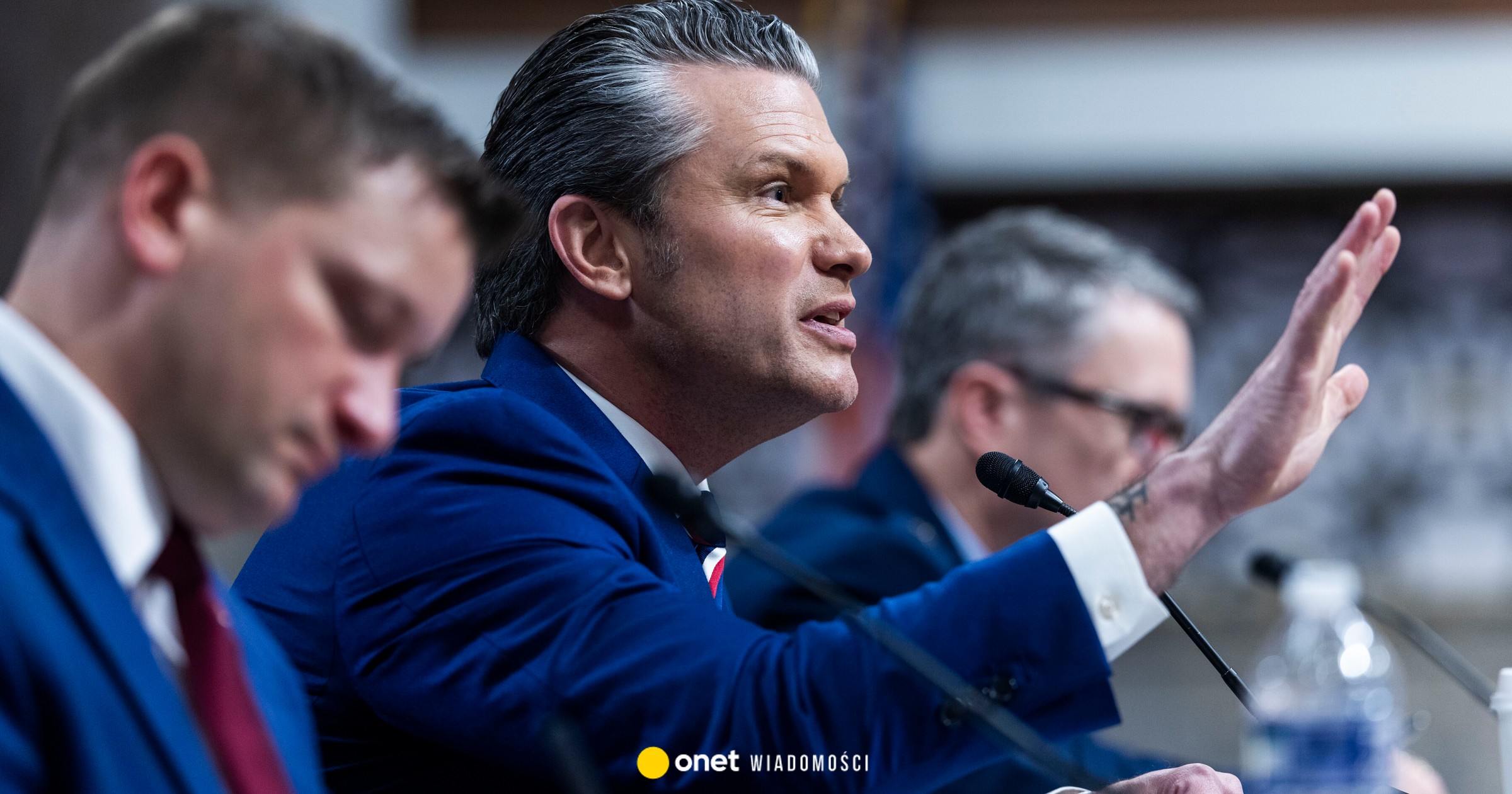
The role of presidents in the two countries is very similar. They are not involved in everyday governance, but they have important powers as head of state and commander of the armed forces, with special valences in the management of foreign and defense policy. The presidential term is, in both cases, for five years.
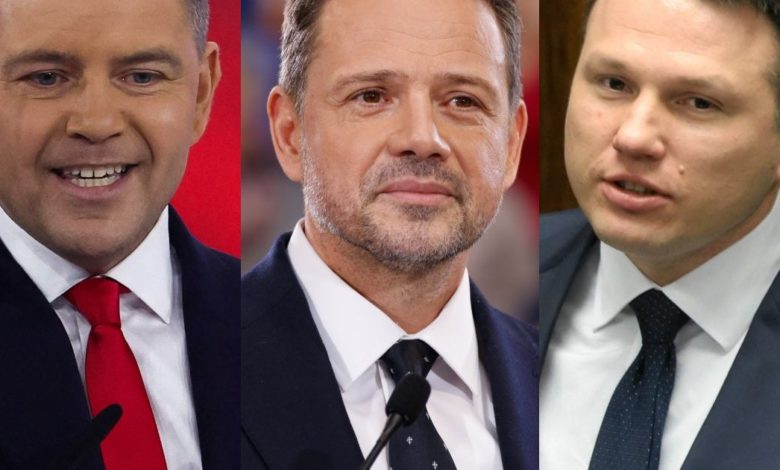
13 candidates are registered in the Poland elections, but the battle will be between three of them, according to opinion polls. In sociological research, the first place in the Polish electorate preferences is the current mayor of Warsaw, Vafal Trzaskowski, supported by the Civic Platform, the current force in government, with a score in the 30%-40%level. He is followed in Karol Nawrocki polls, 20%-30%, independently supported by PIS, Law and Justice Party, former ruling party from which the president was in office, now at the end of the term, Andrzej Duda. On the third place is Slawomir Mentzen, 10%-20%, the candidate of the Konfederacja, far-right formation. He was upstream during the period from entering the electoral race, reducing the distance from Karol Nawrocki at one point, after which he seems to have entered a period of recoil. The other candidates are credited with low scores, away from the end.
As in Romania, the themes regarding the Security were widely debated in the Poland election campaign. At the same time, the concerns about the positions of the Trump administration towards the War in Ukraine and the security of Europe were felt, last but not least, the concerns of combating misinformation and manipulation were expressed. The experience that Romania went through in the elections canceled in November last year was carefully studied, because Romania is a solid and very important partner for Warsaw, say Polish government sources. For those who analyzed the case of Romania, what happened in November on social networks, especially on Tiktok, was shocking and it took more time to explain the phenomenon. However, misinformation and manipulation are taken very seriously in Poland, both by the specialized government structures in combating the phenomenon, as well as by the civic and academic organizations that signal the unnatural activities in the online space.