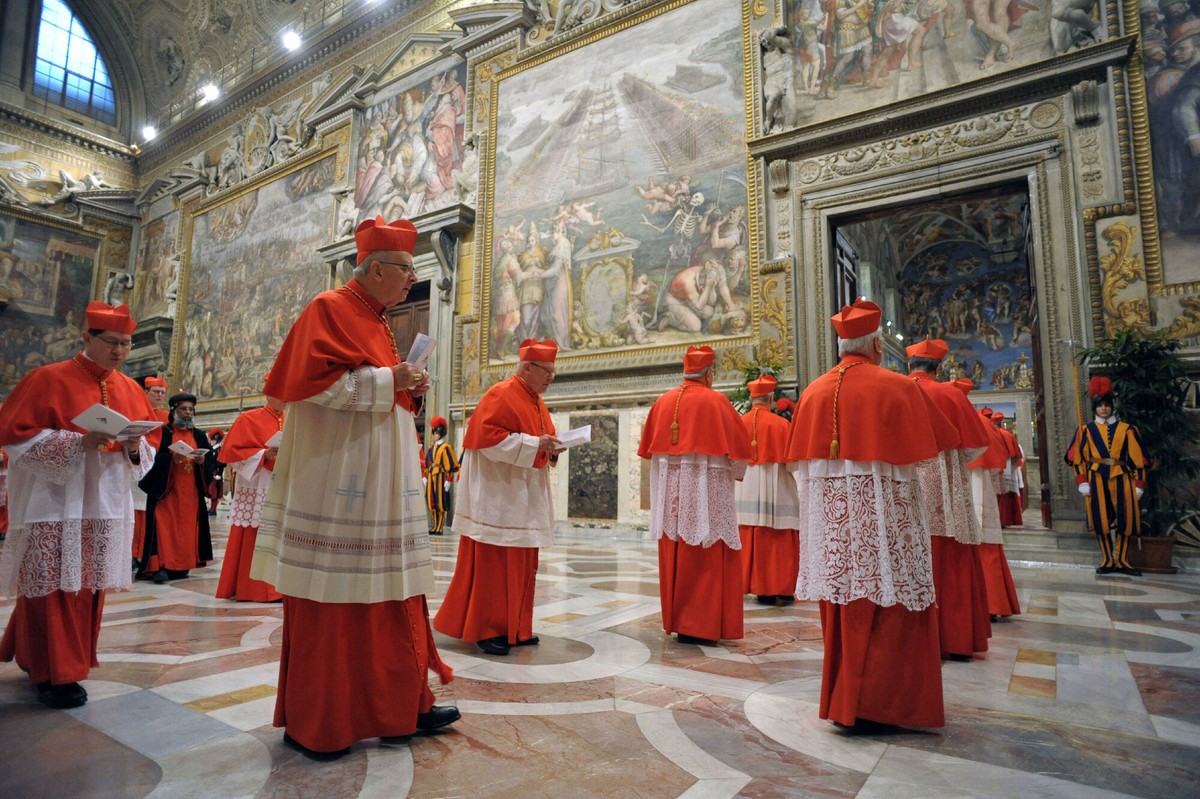
Conclave, from Latin cum claveor “under the key” is a congregation of cardinals to select a new pope. The election process may take several days. In the previous centuries, it lasted for weeks or even months, which happened that some cardinals died during the conclave.
Strict rules are to prevent the disclosure of any details of voting both during and after the conclave. Anyone who would like to break the silence hangs the threat of excommunication.
John Paul II changed the regulations of the conclave so that the Pope could ultimately (after 12 days) be elected by an ordinary majority. However, Benedict XVI withdrew the decision and currently most two -thirds are required.
The conclave begins between 15 and 20 days after the Pope's death or resignation. The new leader of the Catholic Church is selected from the group of cardinals. Cardinals forming the Cardinal College must be younger than 80 years.
Raw rules during the conclave
Before voting in the Sistine chapel begins, the whole area is checked to make sure that there are no hidden microphones or cameras. After starting the conclave, cardinals eat, vote and sleep in closed rooms until the new pope was elected.
They are not allowed to contact the outside world – except for emergency medical cases. All radio and television receivers are removed, and mobile phones are prohibited.
Doctors, confessors and cleaning staff can enter the conclave. Everyone must undertake to follow the secret and not to use the sound and image recording equipment.
See also: First they destroy the signette. What happens when the pope dies?
How do the cardinals vote during the conclave?
Voting takes place in the Sistine Chapel. On the day the conclave starts, the cardinals celebrate the Holy Mass in the morning.
Cardinals must take an oath of secret. Then the Latin command “Extra Omnes” (“All Outdoor”) orders all people who have not participated in the election to leave the room.
Cardinals have the opportunity to organize one turn of voting on the first day in the afternoon. From the second day, two rounds of voting are held in the morning and two in the afternoon.
The voting card is rectangular. There are words above “Eligio in summum pontific” (“I choose as a high priest”). Below is a place in the name of the selected person. Cardinals should write a name in a way that prevents them from identifying and submit a card twice.
Black smoke over the Sistine Chapel. What does it mean?
After casting the votes, the cards are mixed, calculated and opened. While counting cards, one of the fruts mentions the names of cardinals who received votes. It pierces each card with a needle – through the inscription “Eligio” – placing all the cards on one thread.
Then the voting cards are burned – above the Sistine chapel, smoke appears visible to the outdoor onlookers, which traditionally changes color from black to white after choosing a new pope. Once, moist straw was added to the furnace so that the smoke became black, but there were often ambiguities as to the color of smoke. Now the dye is used.
White smoke means choosing a new pope
If after three days of voting no one gets a two -thirds majority, the vote is suspended for a maximum of one day to allow a break for prayer and informal discussion.
After the election, a document is prepared containing the results of voting at each session. The document is stored in the archive, in a sealed envelope, which can only be opened at the Pope's order.
The only clue about what is happening in the Sistine chapel is smoke twice a day from burning voting cards. Black signals no choice. White smoke means that a new pope has been chosen.
Habemus Papam, Urbi et orbi
When one of the candidates gets the required majority, he is asked if he accepts the choice. After consent, the new pope is asked: “What name do you want to be called?”
After choosing the name, the other cardinals turn to the new pope to submit a act of homage and obedience.
The new pope is trying on his robes. The papal tailor will prepare clothes for the pope beforehand, but some corrections may be required at the last minute.
Then from the balcony of the Basilica of St. Piotr's traditional message on the square: “Habemus Papam!” – “We have a pope!”
Then his name is revealed, and the newly elected Pope will appear in public for the first time. After saying a few words, the Pope will give a traditional blessing of Urbi et orbi – “city and world” – and a new pontificate will begin.
Source: BBC