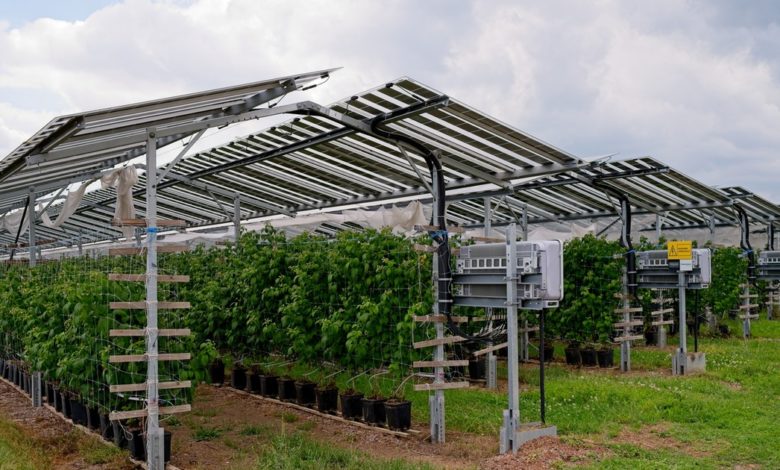
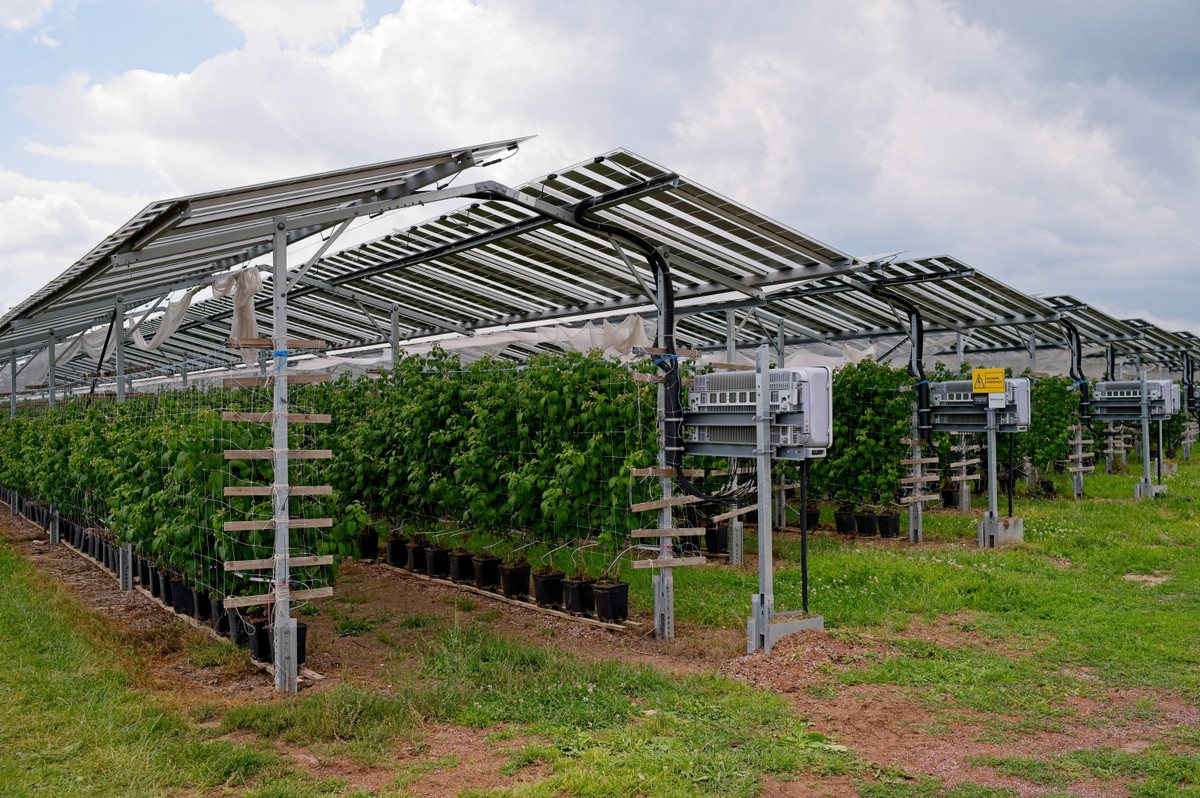
According to the data that we can find in the latest report of the Polish Photovoltaics Association (PSF), in 2023 the Global Agrovoltaiki market was valued at $ 5.5 billion, and in 2024-2032 its value is to increase by an average of over 5.9 percent. annually. What are we really dealing with? AGROWOLTAIKA, also called AGROFotOWNTAICA, consists in simultaneous food production and energy production from the sun on the same ground. Photovoltaic panels are directly adjacent to crops, animals can also stroll between them.
As we read in the report, in 2022, agro -polish systems around the world had 14 GW of installed power, and the solution is popular, among others in Germany, the Czech Republic, France or Italy. In addition to the increase in power in renewable energy and diversification of energy sources, the benefits of AGROWOLTAIKA are to include, among others on More effective land development, which can fulfill more than one goal. The authors and authors of the report also write about research showing Potential of growth by 16 percent, which is used for better protection of crops against weather conditions.
By installing panels, farmers increase the energy independence of their own farms, they can also earn surplus sales. Another possible advantages are water saving by connecting PV installations with low retention systems or limiting soil erosion by protecting against wind and precipitation. PSF also convinces about balancing greenhouse gas emissions, which in the case of agriculture are quite significant – in 2022 the sector was responsible for 8.8 percent. all emissions in Poland and 10.8 percent in the EU.
Read also: Agrovoltaika is gaining value. Solar panels in the field do not cross the crop
Enter the definition to the Act
Analysis published by PSF focuses on administrative and legal barriers that are facing agro-polish projects today. Problems start with no consistent definitionwhich causes the need to apply not always adequate general regulations for photovoltaics.
Polish law today does not provide for the possibility of double use of agricultural land; To put photovoltaic installations on the grounds of grades I-III, the costly consent of the Minister of Agriculture for derivative is necessary. Therefore, PSF experts postulate entering a definition in the RES Act a double function of AGROWOLTAIKIas well as determining at the level of the regulation the relevant criteria for recognition of a given installation as Agro PV.
Installations not exceeding 3 ha of surfaces would also not constitute projects with a potentially significant impact on the environment, which would simplify the procedure for obtaining consents. Investment acceleration would also be used to abolish the requirement to include installations with a power of below 1 MW in local spatial development plans.
So that farmers are not lossy in new investments, the authors of the report want to guarantee them the right to further receive direct payments from the EU common agricultural policy, as well as exclude land with AGROPV installations from real estate tax (the area would still keep the agricultural function, The owners would not threaten double taxation).
Agropv in accordance with the green order
The development of Agrowoltaica would also be part of the implementation of EU goals, and direct support for this technology presents, among others Repowereu plan, aimed at making Europe to become independent of Russian fossil fuels. “The introduction of AGROPV support solutions is part of the goals European green orderwhich strives to strengthen sustainable agriculture, soil protection and biodiversity, and at the same time development of renewable energy ” – reads in the report.
– We must see more than a PV installation in AGROWOLTAICE. It is an innovation that really supports agricultural activity and the environment – commented Ewa Magiera, president of the Polish Photovoltaics Association.
Poland has potential
Barriers related to obtaining connection conditions to the network or the sequential of the investment process (the need to obtain individual consents and decisions in turn instead of the parallel realization of individual stages, e.g. environmental and planning) in the case of Agrowoltaiki are the same as for other photovoltaic projects. PSF discussed them in its own previous reportwhose conclusions we recalled in the article below.
Read: A large photovoltaic is bogging in procedures. “The conclusions are pessimistic”
The association's experts argue that Poland has a huge potential for effective combination of agriculture with solar energy – just look at the participation of the agricultural sector in GDP, which in 2023 elevated 3.3 percent At the EU average 1.9 percent “(…) Synergy of solar panels with agricultural production may support the Polish electricity sector. The above has a reason for being only subject to legal regulations dedicated to AGROPV and liquidation of unnecessary restrictions on nature, both legal and procedural,” they argue.