2025-04-21 18:00
publication
2025-04-21 18:00
The Chinese authorities banned the use of “Autonomous Driving” terms to describe the driver support systems (ADAS) and introduced the requirement to obtain consent to update the software – the Chinese media said on Thursday. Decisions are a consequence of a tragic accident involving the Xiaomi SU7 car.
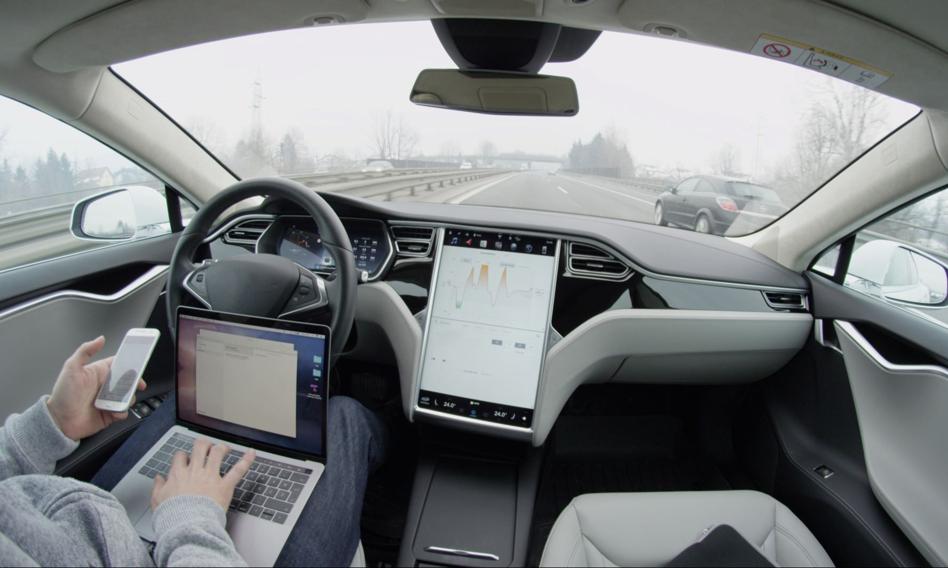
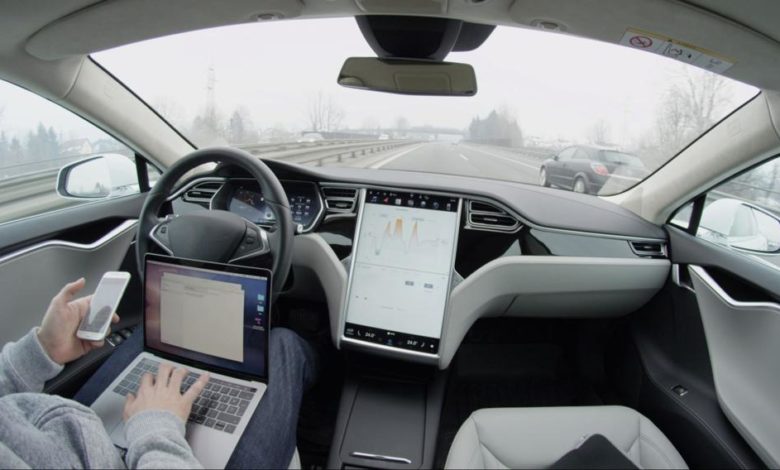
The new guidelines of the Ministry of Industry and Computer Science (MIIT) transferred on Wednesday during a meeting with representatives of 60 companies force the creators of Adas systems to obtain the consents of the relevant authorities for testing new versions on a large scale and before the implementation of updating of developed systems in vehicles already delivered to customers.
The ministry warned against exaggerated emphasizing the possibilities of autonomous driving technology. Automotive companies may not use the terms such as “intelligent driving” or “autonomous driving” to describe the current versions of ADAS.
The purpose of these activities is to limit misunderstandings regarding the possibility of current technology among drivers. Many people incorrectly interpret NOA systems (autopilot navigation) as an autonomous driving. Currently, most of the available systems in China have a classification at level L2 or L2+, which means that they can control the management, acceleration and slowing down, but still require constant holding of the hands on the steering wheel – explains the daily “South China Morning Post”.
At the end of March there was an accident involving an Xiaomi XU7 car, in which three people died. According to preliminary findings, the vehicle moved in Noa at 116 km/hour when it detected an obstacle on the renovated section of the highway. The system warned the driver, then gave the control, but two seconds later the car hit a concrete barrier at a speed of 97 km/h.
Analysts and representatives of the industry cited by the Reuters agency warn that sharpened regulations will increase the costs and slow down the development of technology, but they can also accelerate consolidation on a crowded Chinese automotive market, which is struggling with excessive production powers.
From Beijing Krzysztof Pawliszak (PAP)
KRP/ Kar/