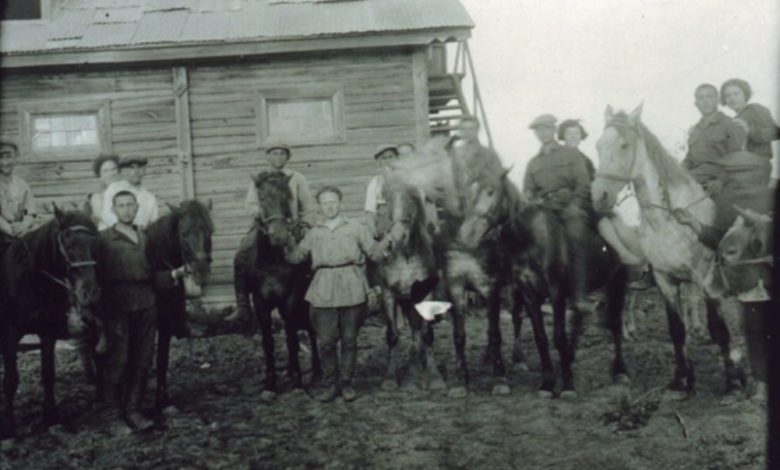
Commune “Card” (Youth). Communists with their horses. 1930
Photo: Gosarchive EAO
April 18, 1900
On this day, a writer was born in the city of Grodno, a prose writer Joseph Izrailevich Rabin.

The writer's childhood fell on the years of the vestibule of the First World War, adolescence – to the war itself, youth – to replace the eras.
In 1936, Joseph Rabin came to Birobidzhan. He was the chairman of the writer's organization of the Jewish Autonomous Region, a member of the editorial board of the Literary magazine “Expost” (12+), worked in the editorial office of the newspaper Birobidzhaner Stern (12+).
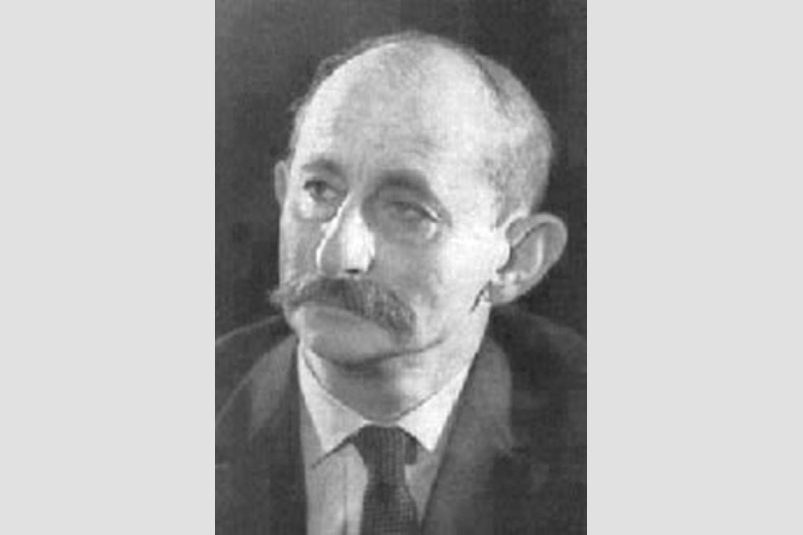
Joseph Israilevich Rabin. Photo: Photo: Regional Library
In December 1937, Joseph Rabin was arrested, accusing Joseph Libergberg of cooperation with the former head of the region. When the investigator changed in Rabin, he presented the writer with espionage in favor of Japan. Under this article, Joseph Rabin was condemned in February 1938 for ten years of camps. These events are reflected in the novel “That year …” (12+), published after the author’s death on the pages of the magazine “Soviet Gamland” (12+).
Joseph Rabin died on December 9, 1987 in Moscow.
April 18, 1928
On April 18, 1928, in the territory of the Biro-Bidzhansky district near the village of Danilovka, the Jewish migrants was organized by a group of 12 cavals “caviar”. The commune is named after the abbreviation of the American organization of assistance to Jewish land management in the USSR – Yiddish colonization of Orbaiter. Among the organizers of the commune were Abram Mandeleevich Byaly, Naum Moiseevich Fridman, Kommunars Schleifer, Balak, Sormin, Chairman of the Khim Commune
Iosifovich (Khonya) Shapiro.
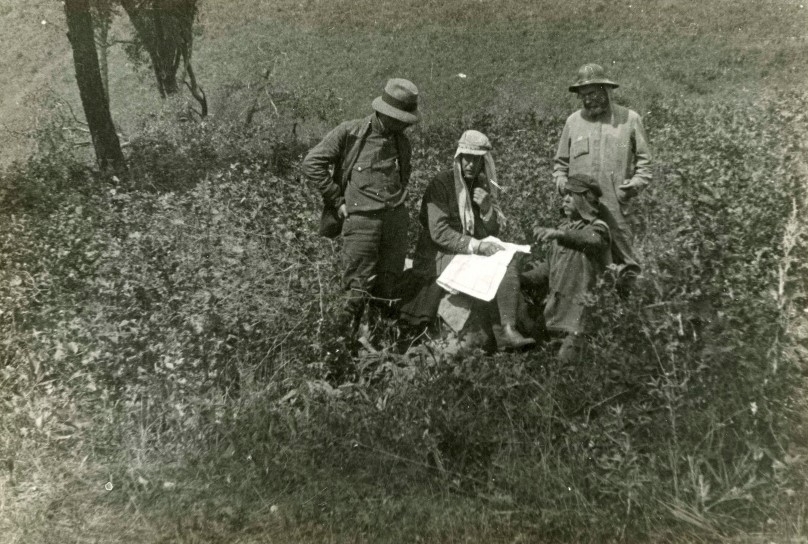
Commission of the American Organization “Cortics” in the taiga for discussing the route. 1929. Photo: Photo: Gosarchive EAO
In 1931, the team was renamed into the commune “Icro-Sotsgorodok”. 26 more people who arrived from the United States joined it, 43 people from Argentina, three
From Poland, nine from Germany, five from Romania. Thus, the commune “Icra-Sotsgorod” turned into the first international Jewish agricultural commune. The organizers of the commune dreamed of creating a large agro -industrial town.
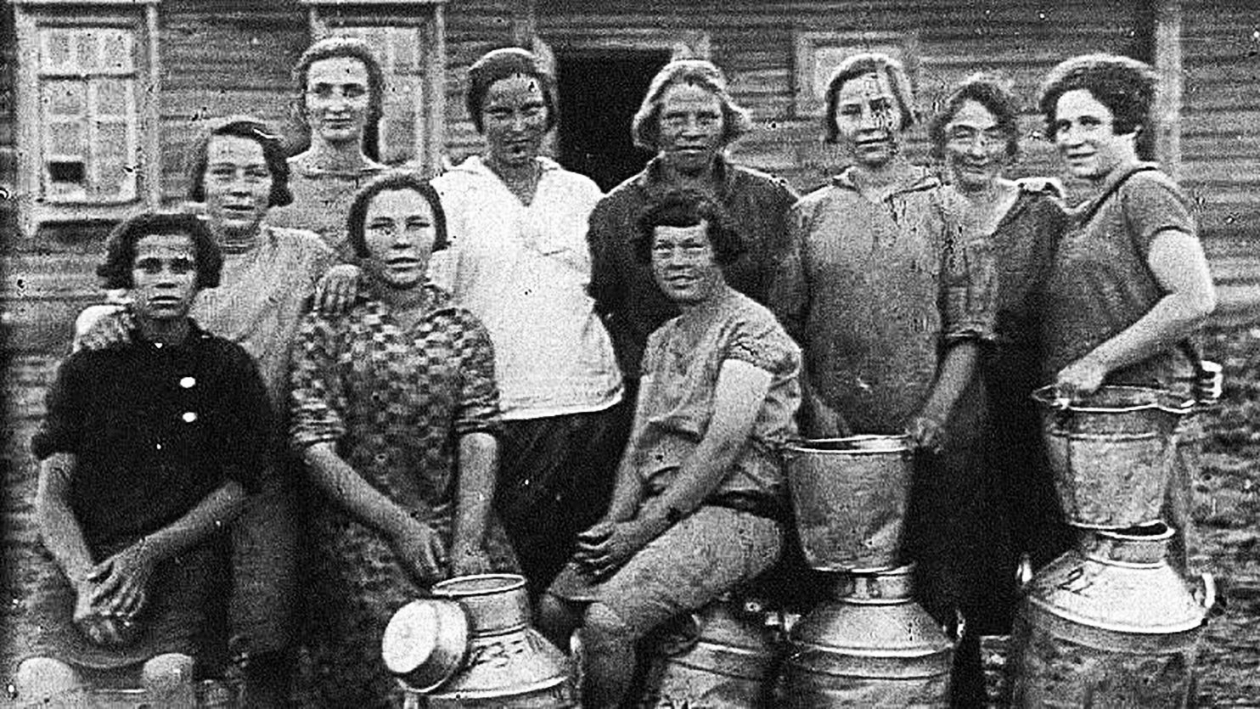
Commune “Corpushes”. Dovers migrants and three Russian girls. Photo: Gosarchive EAO
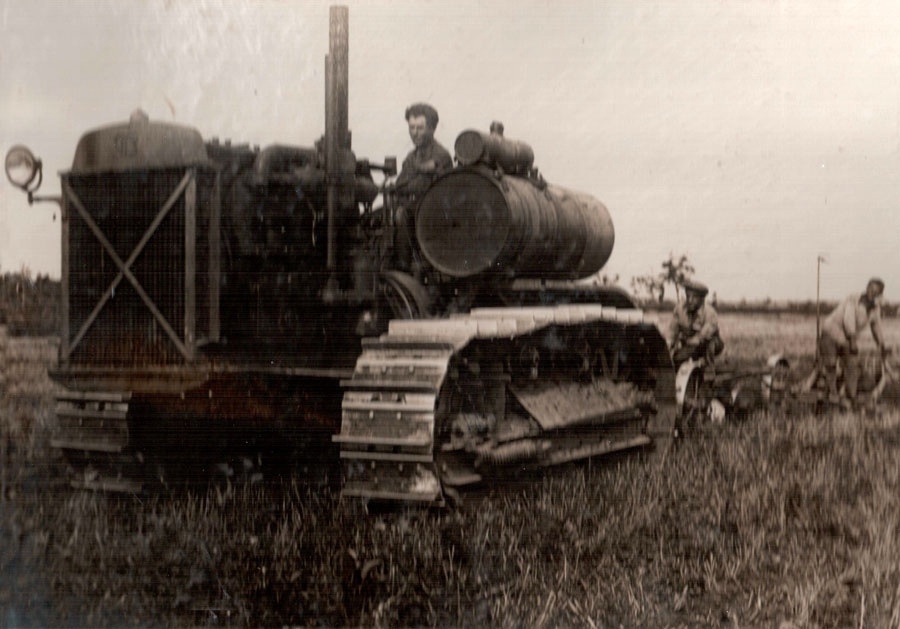
Paul's pounding with a tractor on the collective farm “Corps”. Photo: Gosarchive EAO
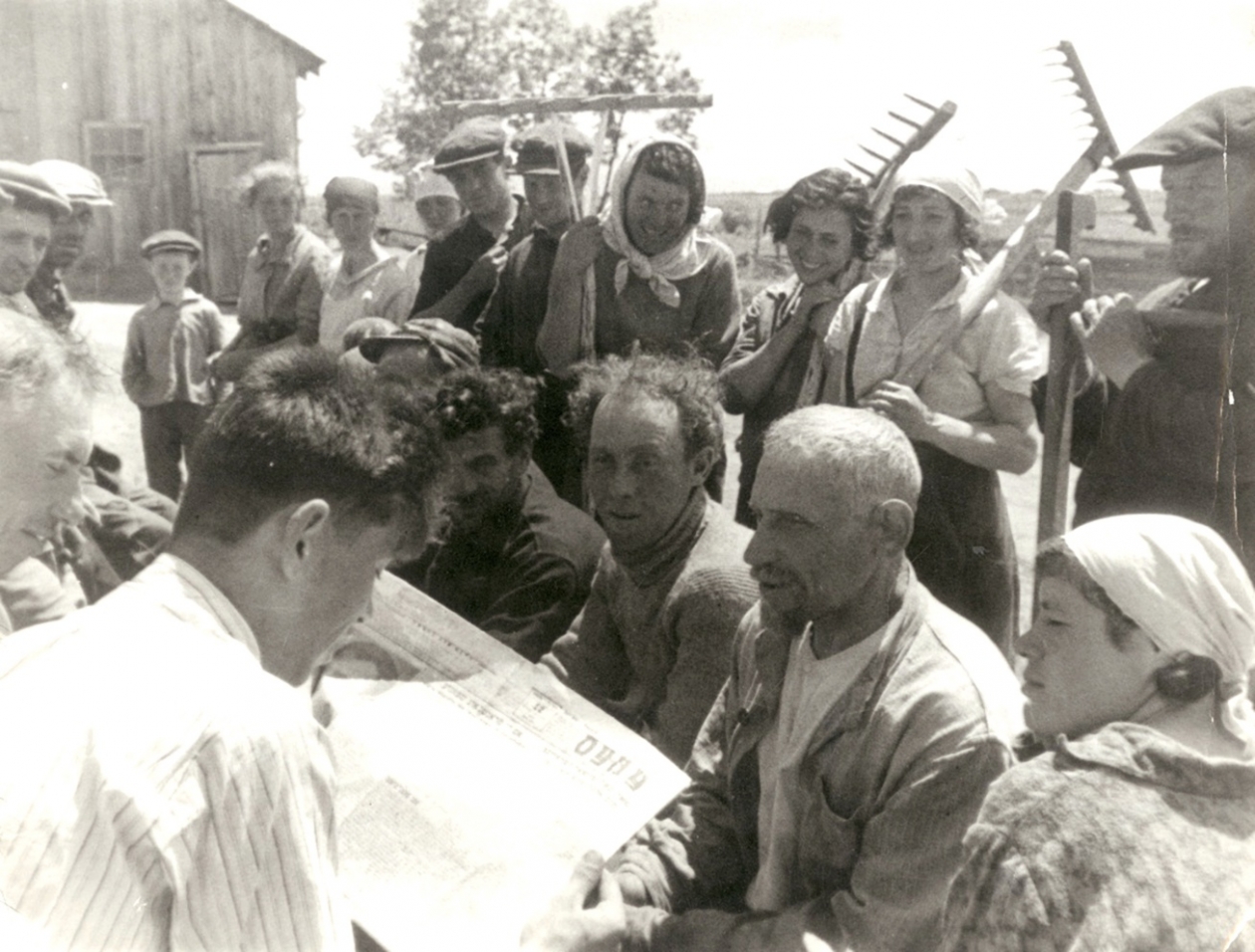
Collective reading of materials about the Stalinist constitution in lunchtime breaks. The collective farm “Corgocus”. 1937. Photo: Gosarchive EAO
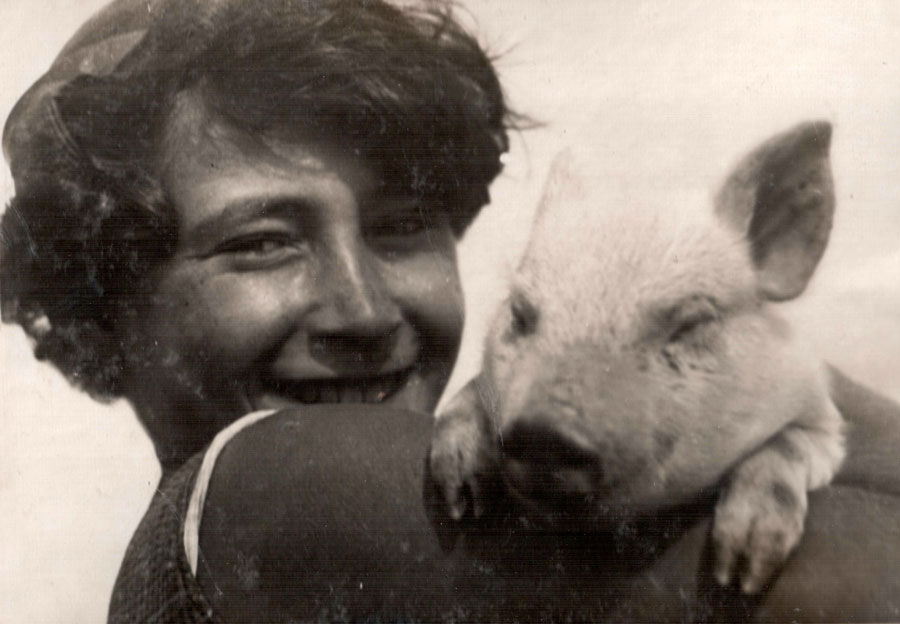
Abram Leya collective farm “Corgus”. Photo: Gosarchive EAO
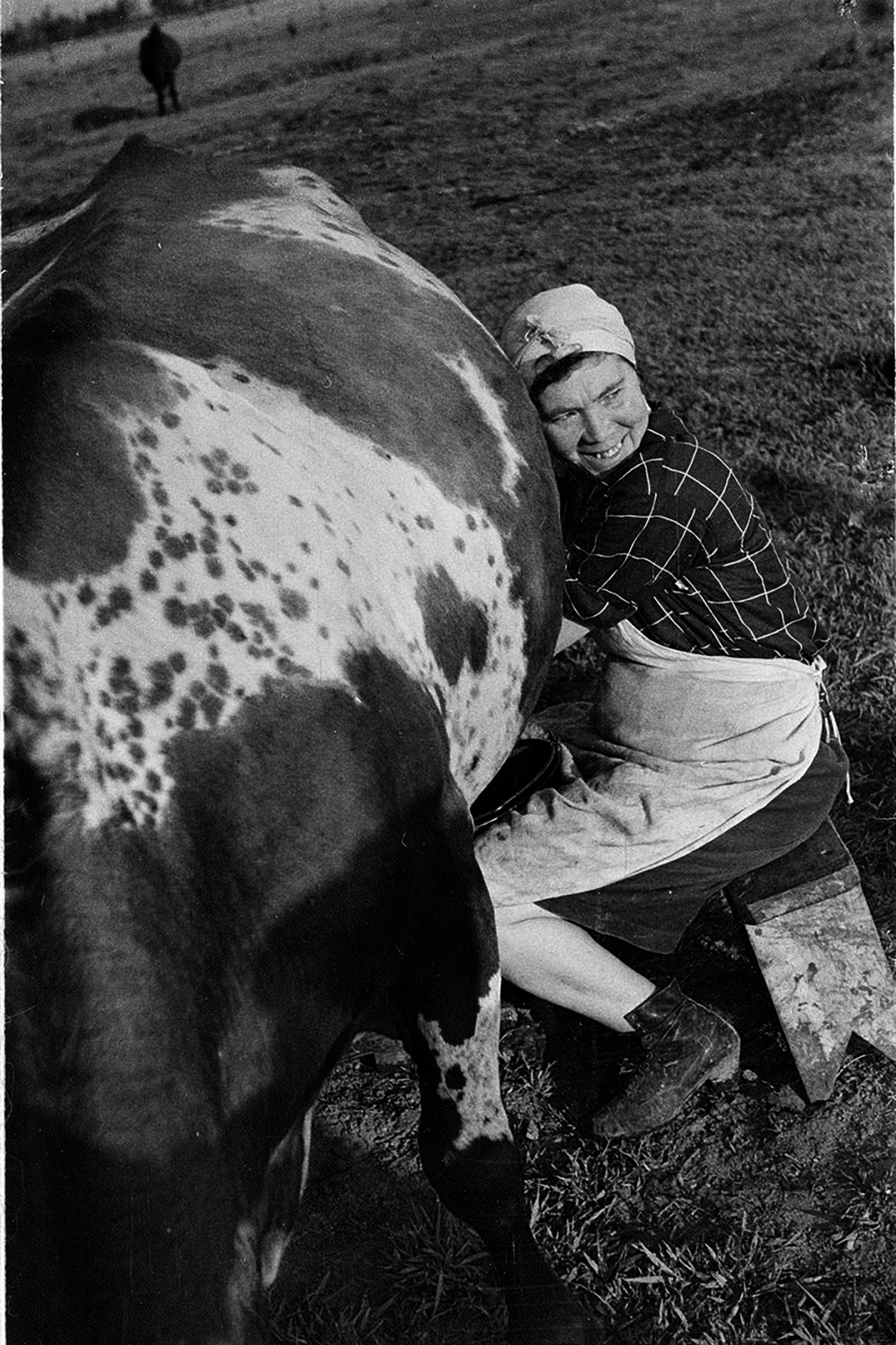
Dovery of the collective farm “Cort”. Photo: Gosarchive EAO
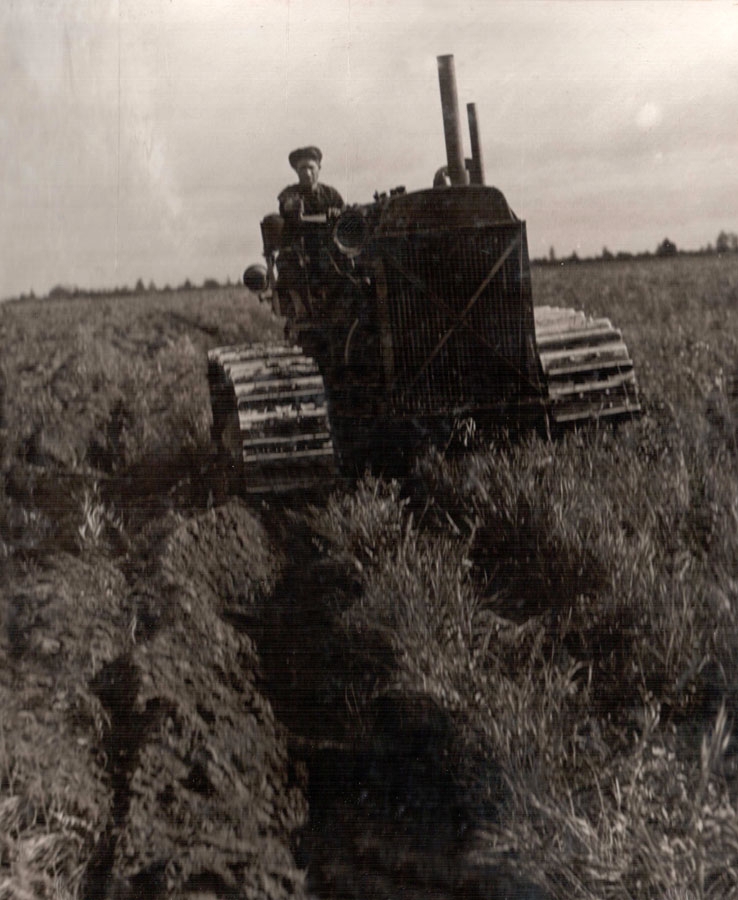
Raise the target on the collective farm “Corps”. Photo: Gosarchive EAO
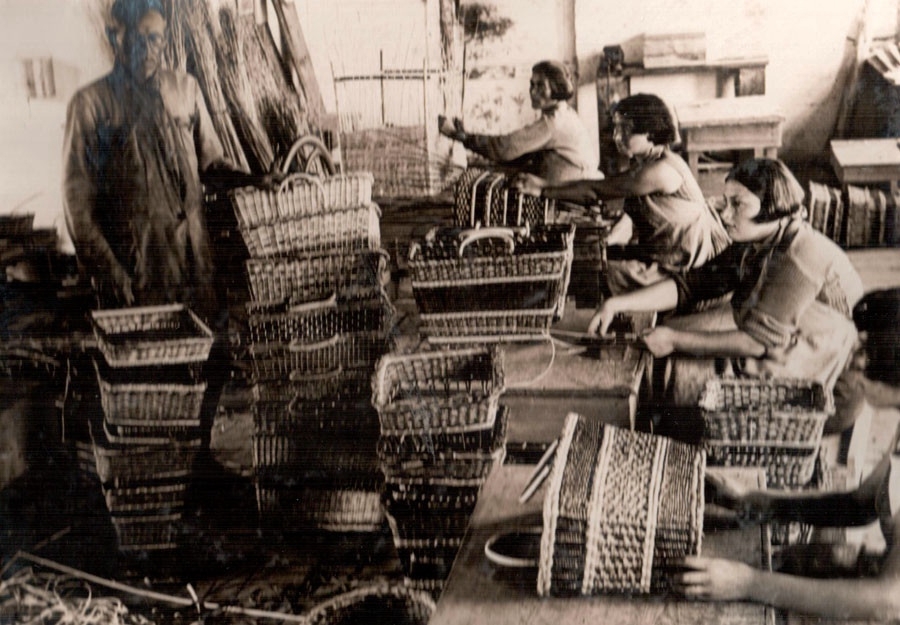
Artel Caucus Weaving baskets. STSTOGORODOK. Photo: Gosarchive EAO
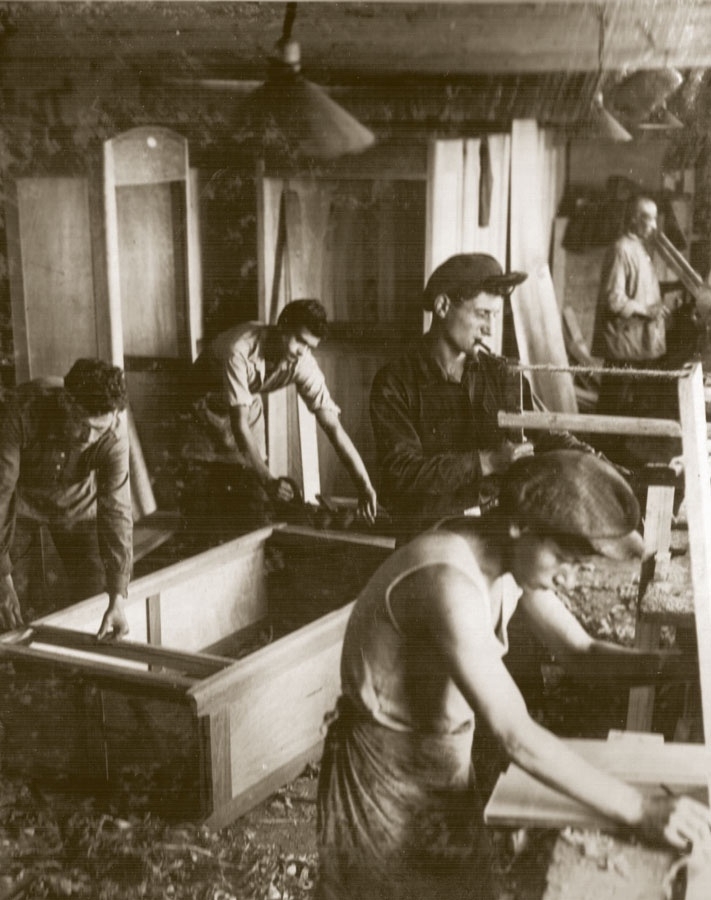
At the furniture factory of the collective farm “Corps”. STSTOGORODOK. Photo: Gosarchive EAO
By the end of 1934, the Icro-Sotsgorodi commune broke up, moving to the charter of agricultural vehicles. To preserve the “icore” it was decided to sacrifice a social city. People were concentrated in one place, most foreigners left, some of the Kommunarov returned to the places of exit, some left for other resettlement villages.
In 1939, the collective farm “Corps” of the Danilovsky village council was renamed the collective farm named after the 18th party house. Hard times have come for the collective farm, after the arrest of Forer, five chairmen were replaced over three years, cases of falsification of documents and theft were revealed. Nevertheless, individual people and farms “icore” become participants in the All -Union Agricultural Exhibition. In the socialist, a large surge of immigrants and the heyday of the village.
On August 16, 2016, on the site of the first house, erected by immigrants in the Sotsgorodka, a commemorative stone was installed
April 18, 1950

Cutting from the newspaper “Birobidzhan Star”. Photo: Photo: Regional Library
The newspaper “Birobidzhan Zvezda” (12+) on April 18, 1950 in the first lane of the publication informed that the Bureau of the Stalin (now October) district committee of the CPSU (b) and the district executive committee brought down The results of the socialist competition of collective farms for the first five -year plan of Spring Seva. According to its results, the agricultural artel “Rooter October” was recognized as the best, which awarded the district transitional red banner.
In the heading “Advanced people of the region” It is told about the noble pig farmer to them. 18 Party Construction of the Smidovichsky district – Joseph Isaakovich Abramsky.
Joseph Isaakovich in the recent past was an ordinary rural tailor. To the collective farm of Joseph of Abram was brought by the desire to find his present place. About a year and a half, he was a collective farm herd, and since the end of 1934 he became a pig farmer.
In 1938, Abramsky achieved great success in his innovative ideas. The pig farm has earned the right to participate at the All -Union Agricultural Exhibition. For successes in pig farming, the collective farm received a first degree diploma, a passenger car and a monetary prize of 100 thousand rubles. Joseph Isaakovich traveled to Moscow, attended the opening of the exhibition, met the best livestock breeders of the country.
“He returned to his native collective farm inspired by new creative plans and next year he achieved the best results – 22 business pigs from each pig. He was again sent to Moscow, from where he returned with the silver medal of the All -Union Agricultural Exhibition.”
The first two years of World War II, Joseph Isaakovich remained at his labor post. In 1943, he was drafted into the Soviet army, and after demobilization, he quickly restored the order on the farm, and pig farming became the most profitable industry of the artificial economy.
The same newspaper tells that in the city of Obluchy the competitions of young aircraft modeling were held. Pupils of secondary school No. 4 presented their best models.
April 18, 1964
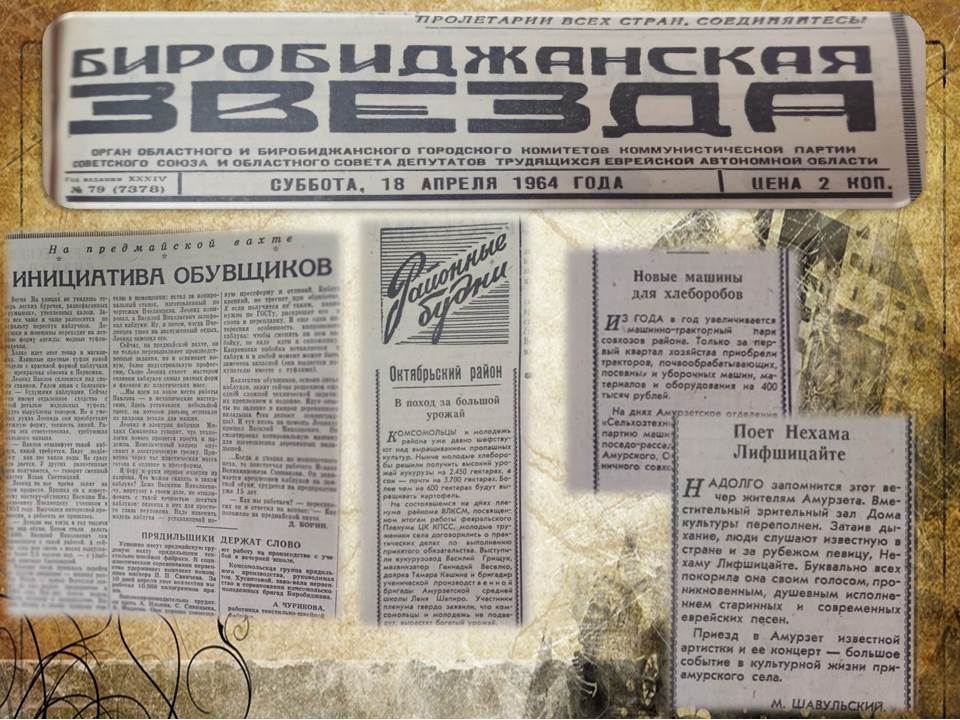
Cutting from the newspaper “Birobidzhan Star”. Photo: Photo: Regional Library
The newspaper “Birobidzhan Star” on April 18, 1964 under the heading “District everyday life. Oktyabrsky district” writes that The Amurzet branch “Agricultural machinery” received a new batch of cars. Among them are four planting cars for the Amur, October and border farms.
In the House of Culture with. Amurzet took a concert of the famous singer Nekhama Lifshitsy. The arrival of an artist of this size is a large event of cultural life for the Amur village. Nekhama conquered everyone with her voice and manner of performing ancient and modern Jewish songs.
April 18, 1967
The Birobidzhan district was awarded the transitional red banner of the Council of Ministers of the USSR and the All -Union Central Council of Trade Unions, awarded for high indicators in increasing the yield of agricultural crops and livestock productivity, reducing the cost of labor, increasing labor productivity, fulfilling and re -filling the production and sale of agricultural products to the state.