“Wheel bombs” from the US, sold in Europe, including in Romania: the network, destroyed by Europol

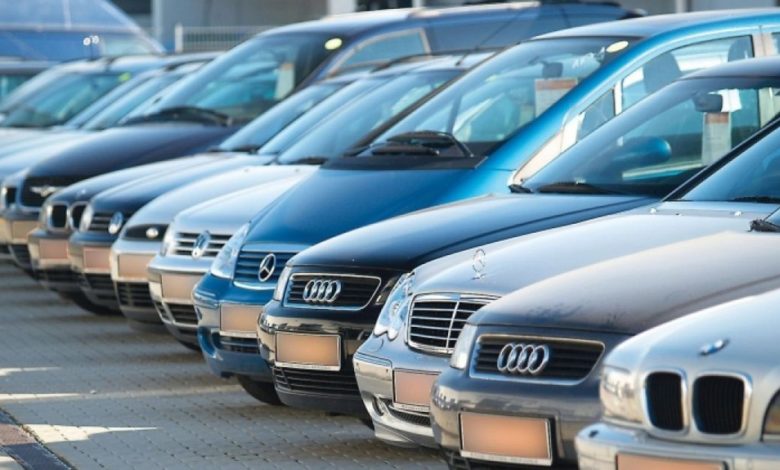
The European Prosecutor's Office (EPPO) has led a large action, supported by Europol in Germany and Lithuania, to annihilate a severely damaged, dangerous machine smuggling organization to European Union states, including Romania.
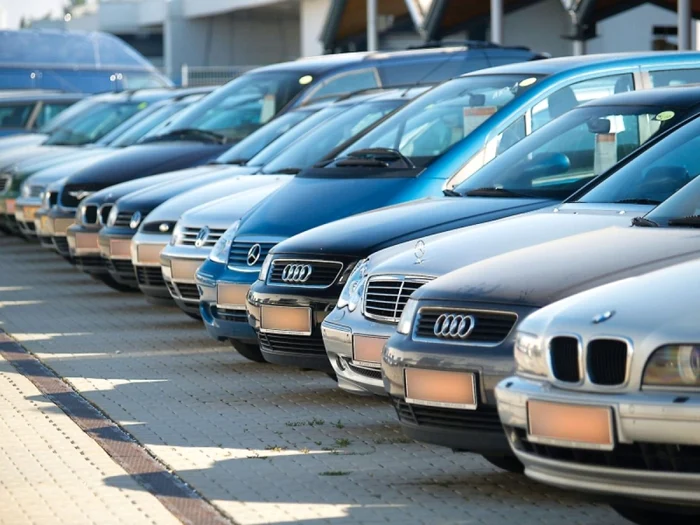
Photo: Shutterstock
The investigation in which EPPO, Europol and Eurojust were involved, along with legal institutions from ten countries, including the National Anticorruption Directorate in Romania, involved approximately 1,000 police officers, tax officers and customs, who did about 200 searches in ten countries.
The investigation aimed at a vast active criminal organization in the illegal introduction of severely damaged cars in the United States and their sale to final customers, after superficial repairs, fraudulently paying customs duties and combining wide -scale frauds on value added tax (VAT), writes News.ro.
According to Europol, the scheme was a huge risk for European drivers, who bought dangerous vehicles at a high price.
Ten suspects, including one of the group leaders, a Lithuanian citizen, were arrested. In addition to these, 18 other Lithuanians were detained for hearings. The main suspects of Russian nationality are also investigated.
The investigation, with the code name “Nimmersatt”, has expanded from the US to Russia, with connections in Canada, Hungary, Ireland and the United Kingdom (UK), as well as in 11 countries of the European Union. In the last days, the investigations have been made in Bulgaria, Estonia, Germany, Hungary, Latvia, Lithuania, the Netherlands, Portugal, Romania and Spain.
Cars were sold by scrap insurance companies
US cars by these organizations were often bought from insurance companies abroad or dismantled for scrap iron.
Using a network of fake companies and false invoices to cover the origin of the cars, the respective vehicles arrived in the EU with their hidden commercial history, says Europol.
According to investigators, cars have arrived in different ports, including Antwerp (Belgium), Bremerhaven (Germany), Klaipėda (Lithuania) and Rotterdam (Holland). In order to evade a substantial part of customs duties, the alleged offenders presented to the customs authorities false invoices, declaring a much lower value than the one paid for vehicles.
Subsequently, the cars were taken to the land in Lithuania, to be repaired, but there are evidence that these repairs were superficial, only by the facade, to make the cars seem like us and to pass the technical certification procedures.
Subsequently, when the cars were sold to final customers in Germany and other European countries, they were presented as having “never an accident” or “being complete and professional”, even when they had hidden damages-including missing airbags or other serious safety issues. Less valuable vehicles were sold on Eastern Europe markets, investigators found.
In Germany, the vehicles were sold by car dealers who had links with the organization and who fraudulently applied the reduced VAT, within the so-called “margin tax schemes”.
This allowed those who returned to pay the VAT only on their profit margin (the difference between the price paid for the article and the price for which it is sold), when I sell used goods bought from individuals.
However, the companies that are the subject of the investigation applied this disposition illegally, because the cars were important, mainly from the US and, in some cases, from Canada. Fraud also allowed the sale of cars destroyed at a lower market price, thus determining unfair competition, says Europol.
In Lithuania, it is assumed that the members of the organization used Lithuanian companies to wash their profits from VAT fraud and cash payments from car buyers. The Lithuanian organization has used companies from Bulgaria, Estonia, Hungary, Latvia, Lithuania, the Netherlands and Romania to fraudulently hide the real turnover of rescue machines.
Injury of tens of millions of euros
This Lithuanian cell was established in 2020 and was led by a Lithuanian citizen who was arrested during this investigation. Only at least 16,500 cars for 144 million euros were sold from Lithuania alone, Europol says.
The damage caused by these criminal activities, with branches in 18 countries, is estimated at at least 31 million euros UB VAT form and unpaid customs. Amounts of up to 26.5 million euros were blocked.
So far, bank accounts have been blocked and 116 cars worth about 2.3 million euros were confiscated, as well as 0.5 million euros in cash and luxury items.