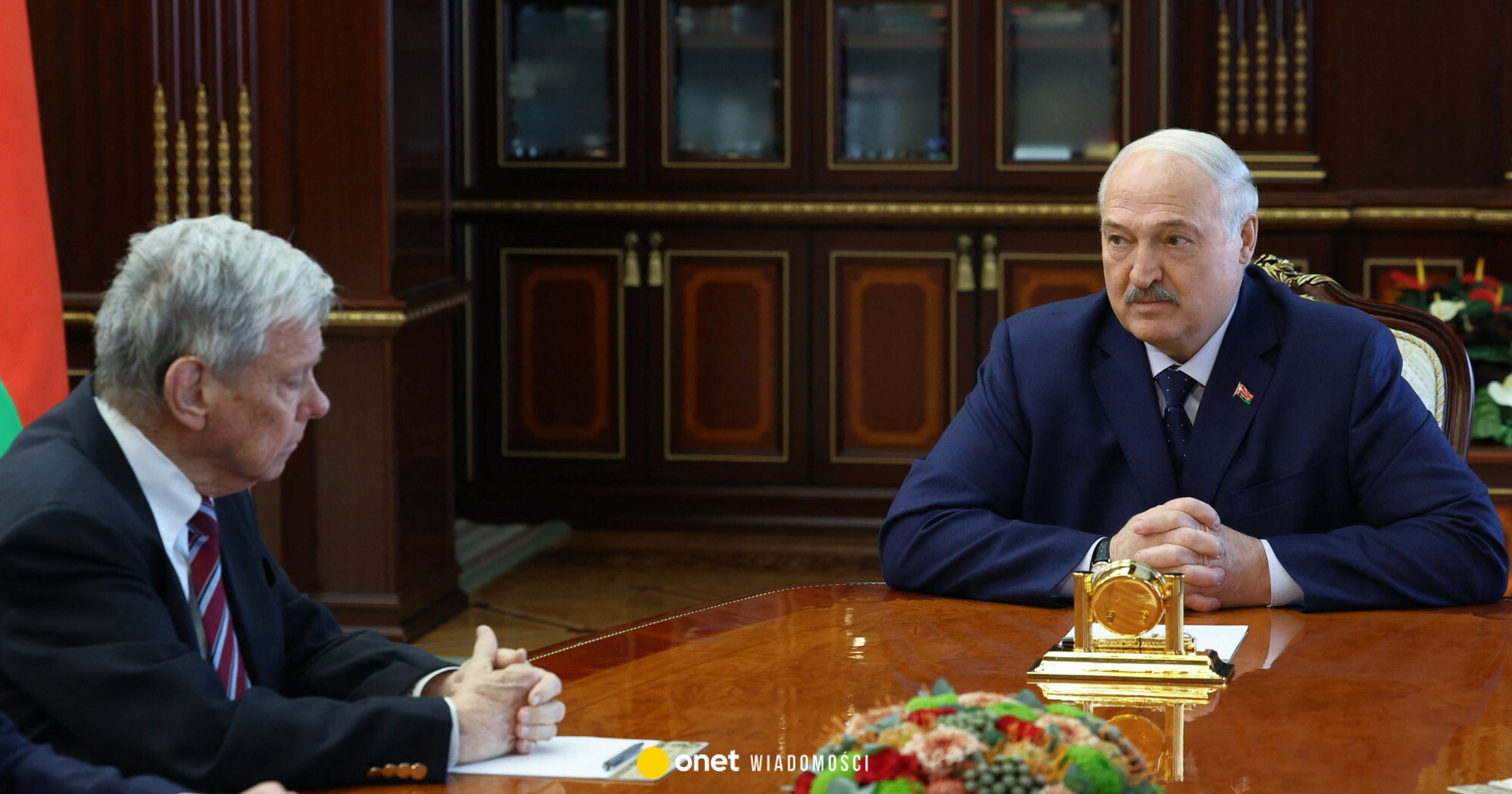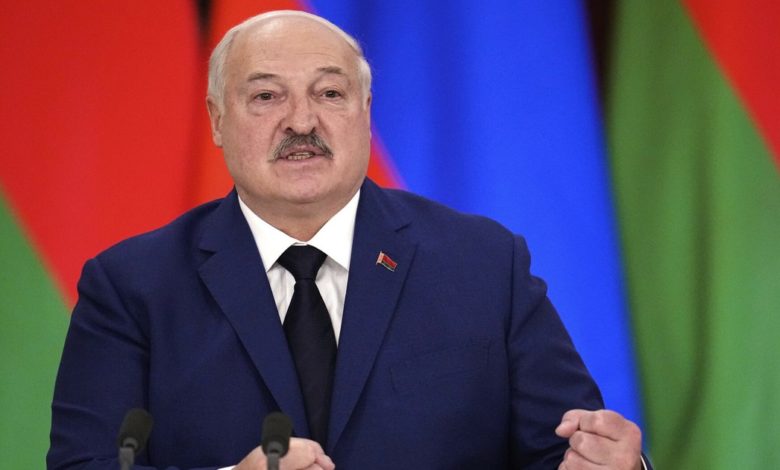
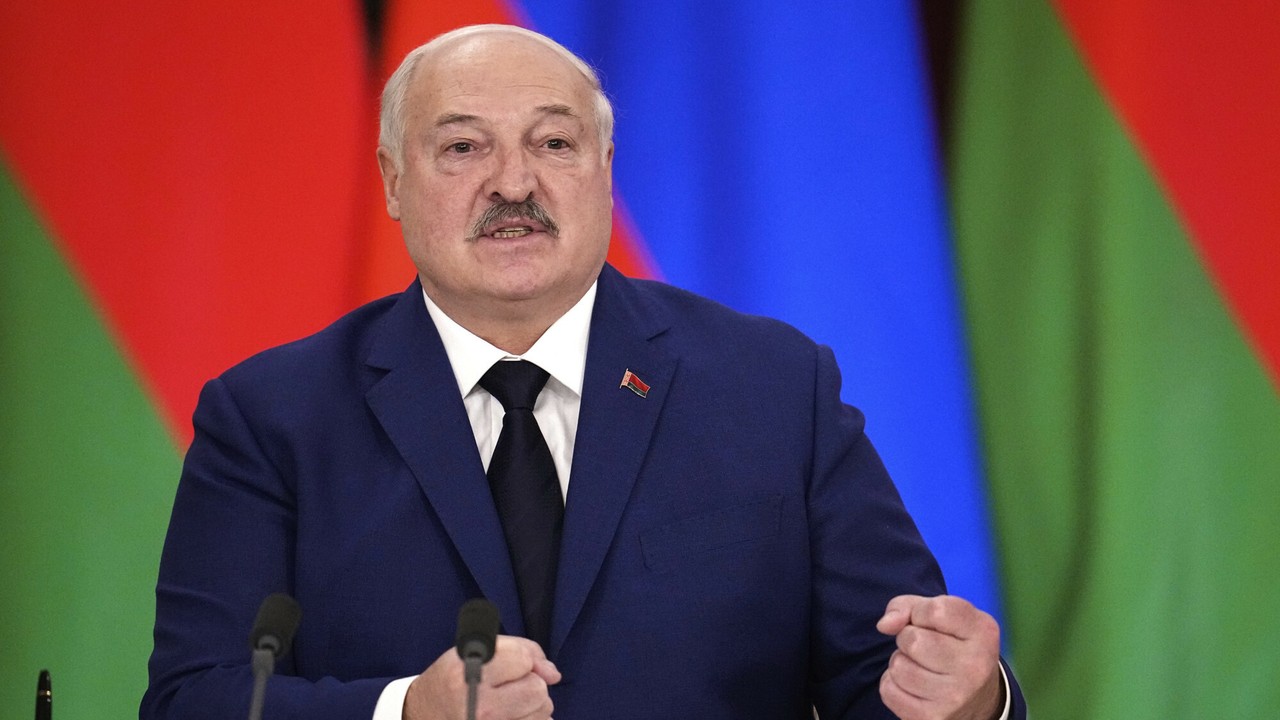
About the desire to accept 150 thousand Pakistani Aleksander Łukaszenko informed after the meeting with the prime minister of this country, Shehbaz Sharif. The talks took place on April 11 in Minsk, but only now Lukashenko revealed their details.
The leader of Belarus emphasized that He is primarily awaiting the arrival of qualified specialists. He encouraged whole families to change the place of residence. “If the family arrives, they will work,” Łukaszenko promised.
He spoke about the plan of the Belarusian authorities Lew Lviv, Academic Director of the Beroc Center. The expert indicates that the integration of such a large group of migrants may prove to be a difficult task for Belarus. – There was no such experience in the history of Belarus – he noted in an interview with “Gazeta Wyborcza”.
Lukashenko's announcements should be treated with a great degree of caution – it is possible that in fact the goal of the Belarusian dictator is to cause further pressure on the EU and fuel the migration crisis.
Further sanctions for Belarus
At the end of March, the Member States of the European Union decided on imposing sanctions on another 25 people and seven entities from Belarus for supporting the power of Aleksander Lukashenkocooperation with Russia and organizing presidential elections in a way that is incompatible with democratic standards. The list went to the list, among others Belarusian Central Electoral Commission (CKW).
In addition to CKW as an institution, its vice -chairman, secretary and members for Organizing in January 2025 the presidential election in Belarus, which – as the Member States assessed – were neither free nor fairand in addition, they took place in an atmosphere of repression and violation of human rights and in violation of Belarus's obligations towards the OSCE (organization of security and cooperation in Europe).
Aleh Ramanau, the chairman of the Vice -Empan party Biała Rus, who had the majority in the Belarusian parliament, was also sanctions. The list was also found nine judges who issued politically motivated judgments, also towards protesters against the power of Lukashenko. “In this way they participated in repression of civil society and democratic opposition,” the EU Council, associating Member States, justified.