Israel controls almost a third of Gaza and intends to stay there in the long term: “Like in Leban and Syria”

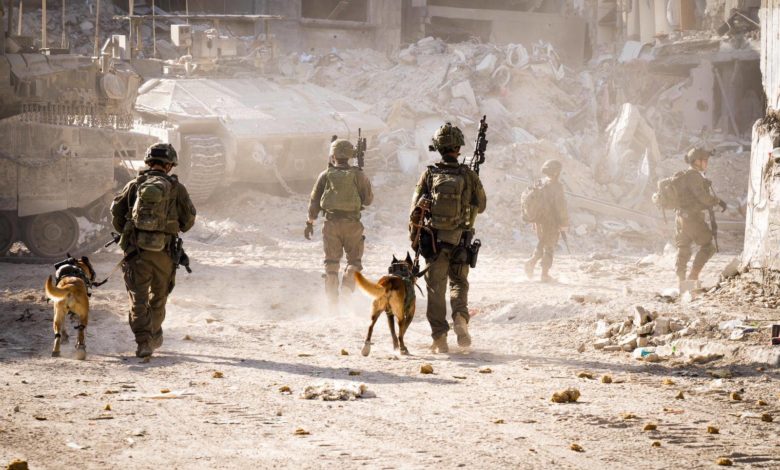
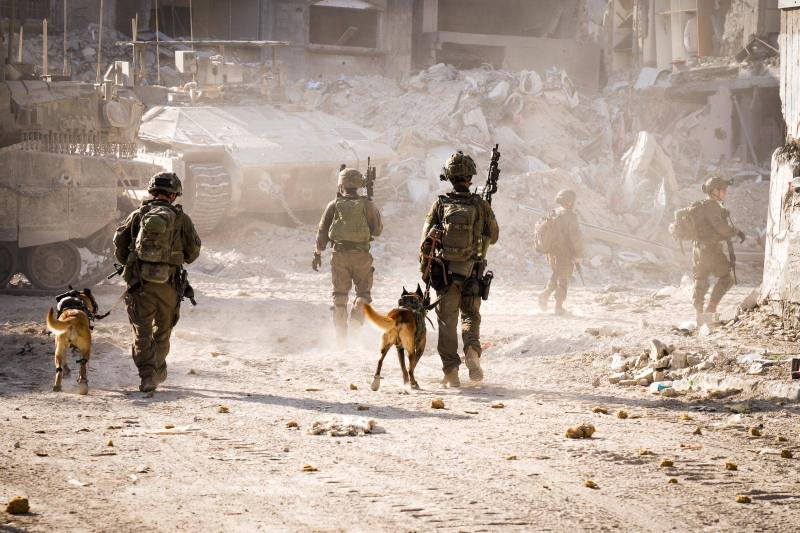
This photo published by Israel's defense forces (IDF) in September 2024 shows the Israeli troops that carry out a military operation in the Gaza strip. Photo source: IDF / GPO / SIPA Press / Profimedia
The Israeli troops will remain in the buffer areas they created in Gaza even after a possible understanding for the end of the war, said Defense Minister Israel Katz, on Wednesday, in the context of the efforts to recover the fire termination, Reuters reported.
The Israeli forces resumed their military operations in Gaza on March 18, and since then they have created a wide “security area”, which extends into the depth of the enclave and crumbles over two million Palestinians in smaller areas in the south and along the coast.
“In front of the past, IDF (the Israeli army, no) does not evacuate areas that have been cleaned and captured,” Katz said after a meeting with military commanders.
“IDF will remain in security areas as a buffer between the enemy and communities in any temporary or permanent situation in Gaza – as in Leban and Syria,” says the Israeli Minister of Defense.
Israeli forces control 30% of Gaza strip
In a summary of operations of the last month, the Israeli army said that it now controls 30% of the small Palestinian territory.
Only in the south of the Gaza strip, the Israeli forces occupied Rafah, a strategic city in the border area, and submitted to the inside to the “Morag corridor”, which extends between the eastern edge of the enclave and the Mediterranean. They were already controlling a large corridor in the central area Netzrim and extended the buffer area and in the border margin, including in the Shejaia area, east of Gaza City.
Israel claims that, starting March 18, its forces have killed hundreds of Hamas fighters, including commanders of the Palestinian organization, but the operations alarmed the UN and the European states. Over 400,000 Palestinians were relocated after the hostage resumed, and the data of the UN Office for Humanitarian Coordination shows that air attacks and Israeli bombings killed at least 1,630 people.
Minister Katz claims that Israel, which has prevented the delivery of aid to Gaza from the beginning of March, creates infrastructure to allow distribution through civil companies at a later date, but that the blockade remains in force.
The officials of the official, who resumed the Israeli request regarding the deposit of weapons by Hamas, show how far the two camps of any kind of fire termination remain, despite the efforts made by the Egyptian mediators.
Hamas refuses to deposit weapons without an Israeli withdrawal from Gaza
Hamas has repeatedly rejected calls to the deposition of weapons, which he described as a red line, and believes that Israeli troops must withdraw from Gaza.
“Any armistice devoid of real guarantees for stopping the war, making full withdrawal, lifting the blockade and starting the reconstruction will be a political trap,” Hamas said on Wednesday.
Two Israeli officials said this week that no progress has been made.
Israeli officials claim that increased military pressure will force Hamas to release the hostages left in Gaza, but the government has faced the protests of those who believe that they should rather agree to stop the fights and recover the hostages.