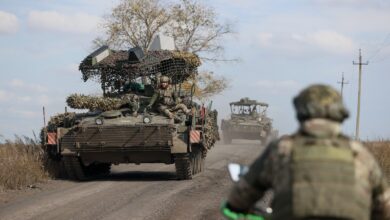
The boss of the Bundeswehr is afraid of a “large -scale attack” of the Russians, who are preparing 1,500 tanks annually. “Deposits are filled with ammunition”

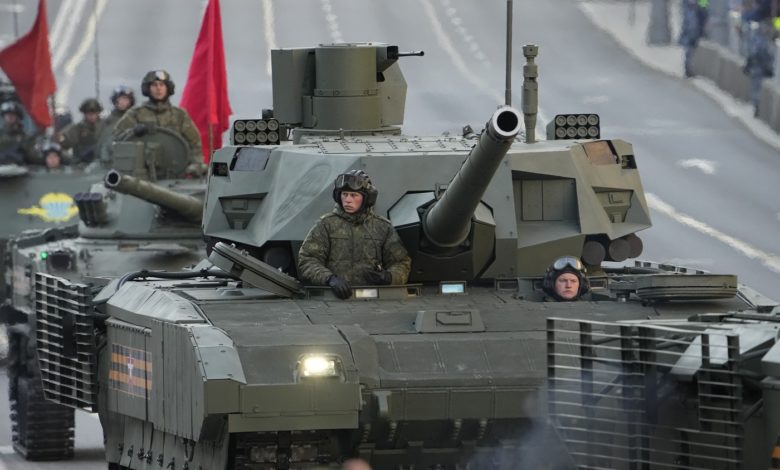
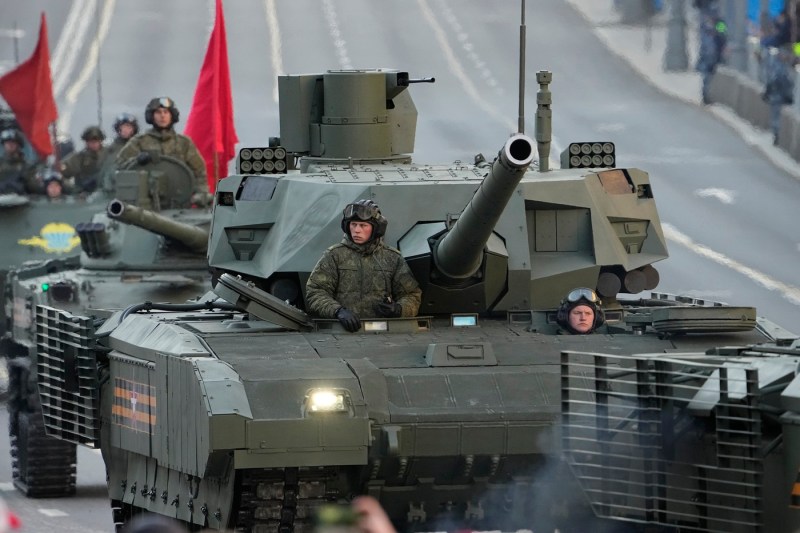
A Russian T-14 tank at a rehearsal for the Victory Day military parade in Moscow, Russia. Photo source: Alexander Zemlichenko / AP / Profimedia
The head of the German army, General Carsten Breuer, believes that Bundeswehr should be re -armed until 2029, because this is the time when Russia will be able to attack a NATO country, writes Welt AM Sonntag.
The German military official warns that “there is a clear threat from Russia”, whose military effect will reach 1.5 million soldiers next year, double the number of troops before the invasion in Ukraine.
“We see that approximately 1,500 combat tanks are produced or reconditioned annually, which represents much more than the current need in Ukraine. And the deposits are filled with ammunition,” said Breuer.
In his opinion, Russia could be able, until 2029, “to launch a large conventional attack including on NATO.”
Putin's purpose, says Breuer, is “to weaken and destroy NATO alliance, as well as discredit the model of Western society.”
The boss of the Bundeswehr also said that despite Donald Trump's return to the White House, Germany still counts on the loyalty of NATO and maintains military cooperation with Americans.
“We have to buy from the USA”
“My biggest challenge at this time is to quickly ensure the intervention capacity of the troops, and for this I have to use all the resources available on the market,” said Breuer.
“We look first in Germany and Europe, to see if there are available equipment. If not, because of the pressure of time, we have to buy from the USA, if we find what we need.”
Breuer added that the objective is clear: “The year 2029 is the deadline until we must be completely prepared for battle.”
Asked if he would trust the United States in the case of Russian aggression on the Baltic countries, the German general replied without hesitation: “Yes, absolutely.”
He stressed that he was recently in the US and did not notice any sign that Americans would move away from NATO. On the contrary, says Breuer, “there is an increasing proximity between the Chiefs of Staff of the Member Staff. A closer coordination is sought, many more consultations and analysis exchanges are made than in the past years.”
It is not Breuer's first warning, official inspector of the Bundeswehr. Last year, he claimed that in five to eight years the Moscow forces will be equipped with sufficient materials and personal to make an attack on NATO territory.