The symphony that could be able to fight cancer. Controversies of a Brazilian study and the drug effects of classical music

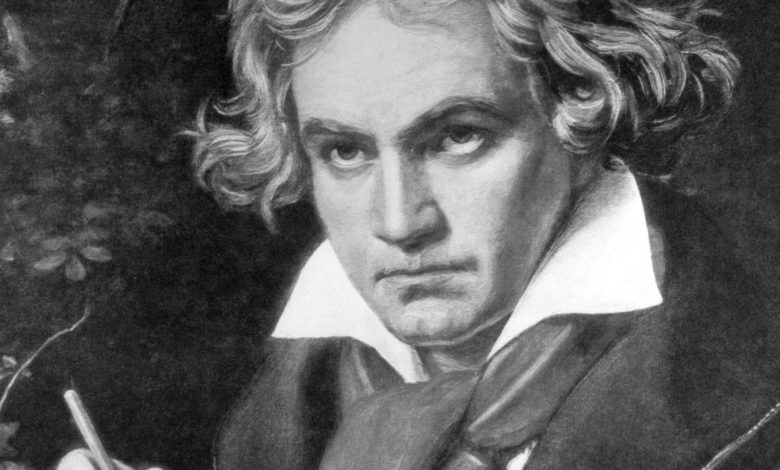
A number of studies indicate that the symphony of belonging to the famous composer Ludwig van Beethoven would have the ability to destroy cancer cells. The same effect could have other creations of classical music. Extraordinary effects are also observed on a psychic level.
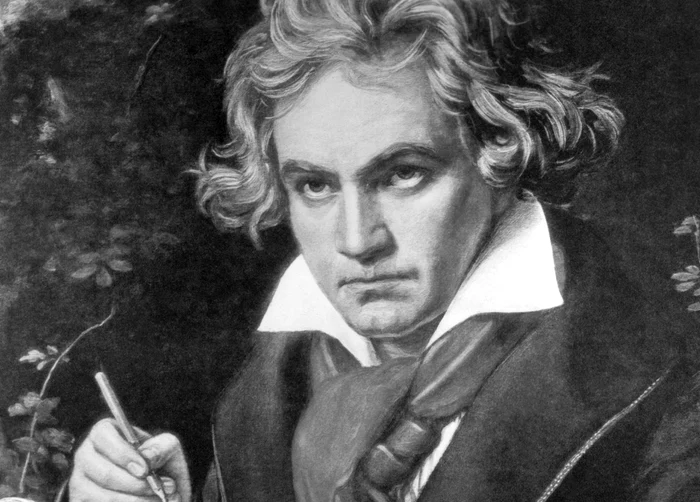
Ludwig van Beethoven Photo Shutterstock
Classical music, in addition to the cultural luggage and the immense amount of sensations and emotions, can bring us an improvement in health. It is known that the music of the great composers has benefits on the psychic, but also of the medical recovery. A 2011 study in Brazil claimed that classical music, especially two famous musical compositions could kill cancer cells.
Symphony of you would have the ability to fight cancer
Among the most beneficial musical pieces of the classic works are the famous symphony of Ludwig van Beethoven. A 2011 study, part of the Oncobiology Program of the Federal University of Rio de Janeiro, Brazil, suggested that the symphony of Beethoven could fight cancer. The research, started in 2010, targeted a deep analysis on the growth and destruction of MCF-7 cells, responsible for the production of breast cancer.
Scented, the cancer cells were exhibited, in the laboratory environment, the symphony of Beethoven, but also to the famous “atmospheres” compositions of Ligeti and “Sonata for two pianas in” composed by Mozart. Following the exposure, it was concluded that the symphony will but also “atmospheres” managed to destroy cancer cells. The possible mechanisms that were the basis of this incredible success could be related to the rhythm, frequency and intensity of music. The team of Brazilian researchers had managed to prove that music can have effects not only at the psychic and emotional level, but also at the cellular level, from a morpho-functional point of view, influencing the dimensions of the cell and the granulation.
Controversies around the study
However, the study in Brazil has aroused controversy. Some have considered insufficient studies to make statements like “classical music can cure cancer or at least kill cancer cells.” In addition, the question was asked, “what happens to healthy cells. How can the difference make, Beethoven's music in a mutant and healthy cell“Those who were skeptical in front of the study also highlighted the fact that the experiment was done only under laboratory conditions, with the exposure of cells to Beethoven's music. That is, the experiment was not carried out on laboratory mice or human subjects. Which leads to the fact that the results are not conclusive. Symphony has been able to destroy cancer cells.
Music is healing
Beyond the controversies around this study, one thing remains certain, supported by numerous scientific research: classical music is healing.
A study by the University of Northumbria discovered that Vivaldi's “seasons”, especially “spring” have the ability to improve attention and enhance the feeling of vigilance. The study was conducted using two groups of human subjects. The first, with people who had a low IQ, and who performed the tasks required harder and with poor precision. The second, with people who had an average IQ, and did the tasks offered well. The low IQ group was allowed to listen to the “seasons” and made to perform the tasks while the music is running. It was found that those people who were doing hard, were much faster and more precise under the influence of Vivaldi's composition.
Another study, conducted this time in Taiwan, showed that classical music, especially Mozart, can have positive effects on people with epilepsy. Specifically, 58 children with focal epilepsy were able to listen to Mozart's music for eight minutes every day. After six months of experiment, doctors did encephalograms, all subjects. It was found that in the case of 47 children the epileptiform activity, the one that caused the crises, has diminished significantly, under the effect of Mozart's music. Moreover, specialists from Centennial Medical Plaza, Aurora, suggest that Mozart's music be included as an additional treatment for people suffering from epilepsy. There are many other studies that indicate that classical music can help patients suffering from post-operative pain.
Music that releases the mind and soul
The most well -known effect of classical music is that of liberation and mental and emotional reassurance. There are numerous studies that connect classical music to improve depression, anxiety but also to other mental disorders. This is why in the treatment of mental disorders, melotherapy is used, that is, as the name, music therapy says.
The compositions of the classics, especially Mozart's, have notable effects in the treatment of mental or affective disorders, with the pre -depression and anxiety. If we talk about episodes of depression, then classical music can help the affected person to relax, raise their morale through the demonstrated effect of hormone increase music, especially dopamine.
In addition, classical music helps a lot in inducing a good quality sleep, essential in the treatment of depression. In the case of anxiety, classical music calms and offers the necessary emotional comfort. It is capable, especially the cheerful areas, to raise the mood. Everything is accompanied by a beneficial release of endorphins.