US rates for China will increase on Wednesday to 104%. The Trump administration, ready to negotiate with other partners

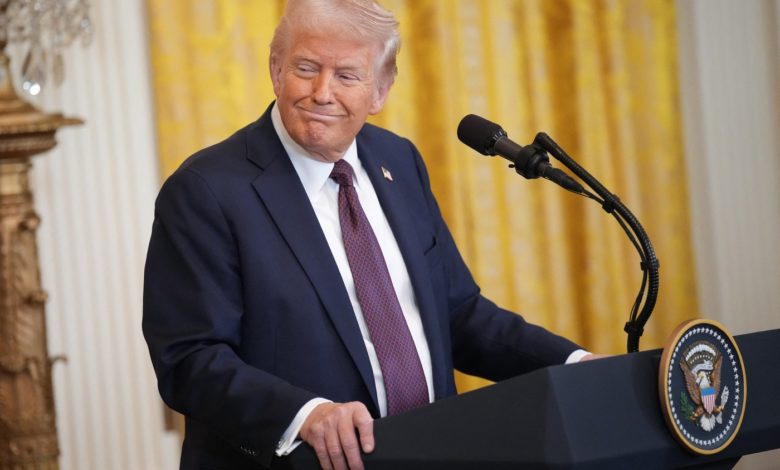
The United States announced on Tuesday that they will impose 104% rates for imports from China, which will enter into effect shortly after midnight. In parallel, the Trump administration has quickly started discussions with other commercial partners targeted by the extensive tariff plan announced by President Donald Trump, notes Reuters.
Actions in the United States decreased as a result of the announcement. The global markets had previously registered increases, against the background of the hopes that Trump could be willing to negotiate the reduction of commercial barriers imposed on different countries and products, around the largest consumer market.
The US administration has scheduled discussions with South Korea and Japan, two close and important trading partners, and Italy's prime minister, Giorgia Meloni, is about to pay a visit to Washington next week.
However, the White House said that specific tariffs on countries, up to 50%, will enter into force at 12:01 am, East Coast time (04:01 GMT), according to plan.
For China, the rates will be particularly high, after Trump has increased customs taxes applied to Chinese imports to 104%, as a reaction to the counters announced last week by Beijing. China refused to give in to what he called “blackmail” and promised that he would “fight to the end.”
Administration officials have stated that negotiations with the second economy of the world are not a priority.
The extended tariffs imposed by Trump have aroused fears about a possible recession and destabilized the global commercial order maintained for decades.
“At this moment, we have received instructions to give priority to our commercial allies and partners, such as Japan, Korea and others,” said the White House, Kevin Hassett, at Fox News.
The White House has announced that Trump has asked his negotiators to create “personalized” agreements for the nearly 70 countries who have requested the opening.
The main commercial negotiator of the president, Jamieson Greer, told Congress that his team is working quickly, but that there is no fixed deadline.
“The president was clear again: there will be no short-term exemptions or exceptions,” Greer told parliamentarians.
China is preparing for a war of wear, and the producers warn about lowering profits and looking for solutions for relocating factories in other countries. Invoking external risks increasing, Cito has decreased the China's GDP growth forecast for 4.7% to 4.2%.
Americans make their provisions
Three out of four Americans expect the prices to increase with the entry into force of Trump, according to a Reuters/Ipsos survey.
The Micron chip manufacturer has told customers that it will introduce an additional fee related to tariffs from Wednesday, while American retailers in the field of clothing have announced that it delays orders and suspends employment.
According to an industry association, the sports shoes made in Vietnam, which are now sold for $ 155, will cost $ 220 after applying the 46% tariff imposed by Trump to this country.
Consumers are supplied as much as they can. “I buy double from anything – beans, cans, flour, whatever comes to mind,” said Thomas Jennings, 53, while pushing a stroller among a Walmart store in New Jersey.
The European Commission analyzes, in turn, the possibility of imposing 25% counter-warehouses for a number of American products, including soy, nuts and sausages, although other goods, such as Bourbon whiskey, have been omitted from the list. European officials said they are ready to start negotiations.
The community block, consisting of 27 states, is already facing rates imposed for cars and metals and is to be affected by a 20% rate for other products starting Wednesday. Trump has also threatened to expand tariffs on alcoholic beverages in the European Union.
The European pharmaceutical companies, worried about the effects of these measures, have transmitted to the President of the European Commission, Ursula von Der Leyen, during a meeting, that Trump's rates will accelerate the relocation of the industry from Europe to the United States.