The best fruits for the brain, heart and intestines. Are considered the “youth elixir” and can be consumed daily

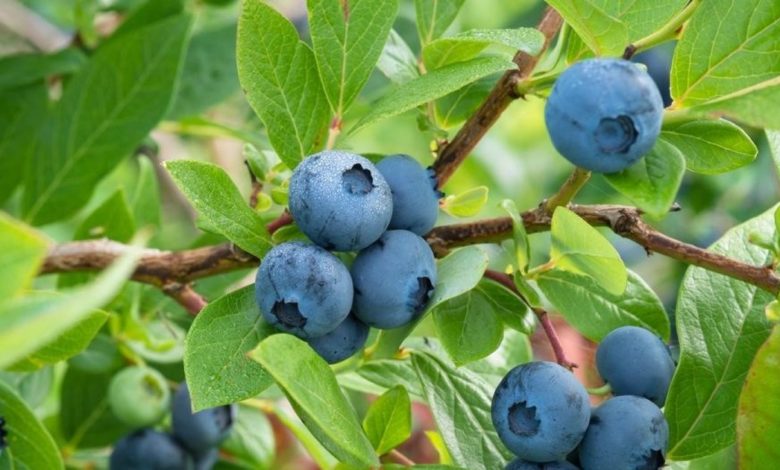
A recent study published in “Nutrients” highlights the impressive health benefits of adding a fruit to the diet, especially for adults who want to maintain their health, brain and intestines.
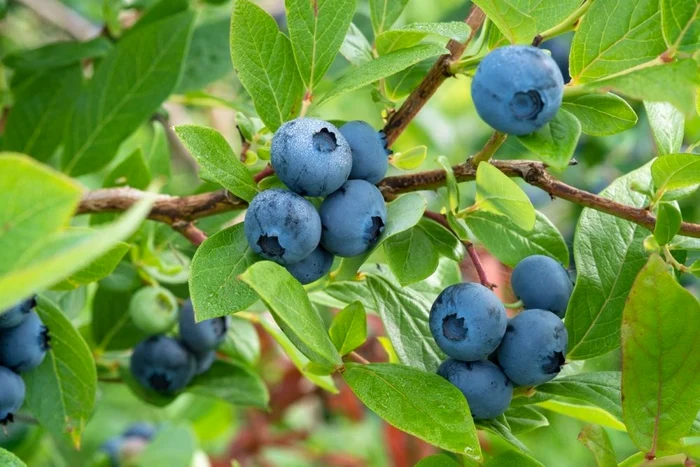
Blueberries, fruits considered “Elixir of youth” photo: Archive, Adevărul
Blueberries are rich in polyphenols, especially anthocyanins, who not only give them a vibrant color, but also support the health of the heart by reducing oxidative stress and inflammation, being considered the “elixir of youth”.
In addition, intestinal microbiome, which plays a crucial role in general health, can be positively influenced by blueberry polyphenols, according to Eathingwell.
A new study published in Nutrients has explored how to add dietary blueberry powder can have an impact on intestinal bacteria and blood markers related to heart health that are overweight or have obesity.
How was the study done?
This study, called the study “Blueberry Enhances Activity and Cognition Through Increased Vascular Efficiency ” (Beactive), lasted 12 weeks and investigated how blue consumption and exercise could benefit the physical activity and health of the brain.
The study included men and women over 60 who were not very active and had a body weight that varies between overweight and moderate obese.
Also, the participants had to have normal heart rate and blood pressure below 140/90 mmHg. People with certain health problems, with recent infections or taking certain drugs have not been included in the study.
A total of 55 participants were selected and divided randomly into two groups. One group has consumed a drink made of blueberry powder twice a day, while the other group consumed a similar placebo drink.
Both groups also followed a physical exercise routine. By the end of the study, 48 participants completed the program. The amount of blueberry powder consumed was equivalent to about 1½ cups of blueberries each day, divided into two servings of ¾ cups consumed at meals.
At the beginning of the study, the participants' diets were analyzed to understand their nutrition and the contribution of berries using online tools and questionnaires.
The main health indicators, such as the function of the heart and blood vessels and blood pressure, were measured at the beginning and the end of the study. Also, the researchers kept the record of physical activity and analyzed the diets monthly. In addition, blood and chair samples were taken at the beginning and end of the study to analyze intestinal bacteria and other health related factors.
What did the study discover?
Examining cholesterol, fats and other important blood compounds after 12 weeks, researchers have found that people who have taken placebo powder have registered a significant decrease in total cholesterol, LDL cholesterol (called “bad”) and non-HDL cholesterol.
Markers for the number and size of LDL particles and a cholesterol protein, apob, have also decreased significant. On the other hand, people who have taken blueberry powder have lower levels of total HDL (“good” cholesterol) and a protein called HDL.
When the two groups were compared, additional differences were observed. For the blueberry powder group, there have been changes in the specific number and dimensions of cholesterol particles, such as lower LDL cholesterol particles and lower levels of LDL cholesterol “bad” and other markers after meals, known as postprandial state.
In general, this study shows how additions like blueberries can have a different impact on cholesterol and blood markers compared to a placebo.
The study also found that among the subjects, the consumption of a diet that included blueberry powder led to an increase in a specific type of intestinal bacteria called Coriobacteriales Sedis. This increase was not observed in those who did not consume blueberry powder.
It is known that these bacteria help to break down and absorb beneficial compounds found in blueberries, suggesting that the body adapts to better digest nutrients from blueberries when they are regularly part of the diet, according to the study authors.
How does this apply to real life?
For those among us who are looking for ways to support their heart health, adding blueberries is a delicious and simple start. Whether it is a handful of fresh or frozen blueberries in a morning smoothie, sprinkling on oatmeal or enjoying them like a lunch, these small berries have a strong impact when it comes to supporting heart and intestines.