The first reactions of Iran and United States after Oman's discussions / two delegations stood in separate rooms

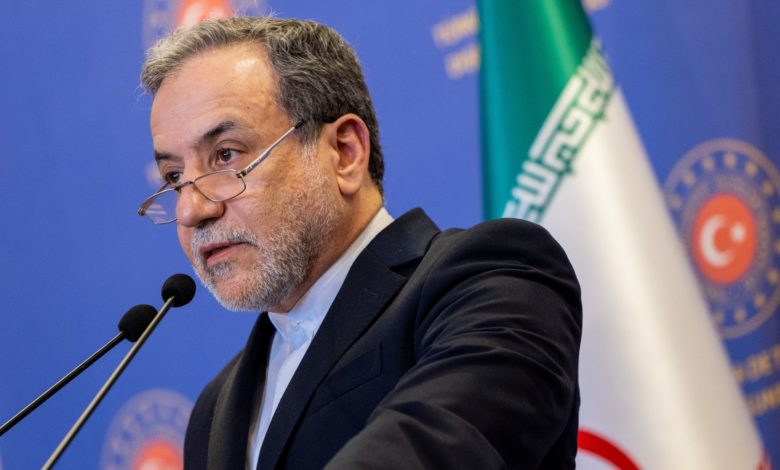
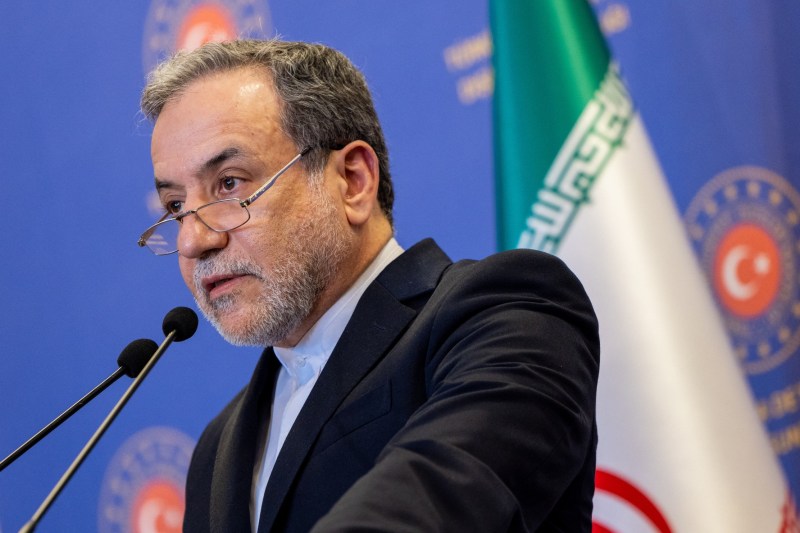
The head of the Iranian diplomacy, Abbas Araghchi. Profimedia photo
Iran and the US held “productive” discussions on Saturday in Oman, and agreed to have a new meeting next week, Tehran said about the dialogue meant to address the Iranian nuclear program in the context of the threats launched by Donald Trump on the possibility of military actions in case. The White House described the discussions in Oman as “a step forward”, according to AFP.
“I think we are very close to a basis for negotiations and, if we can conclude this base next week, we will have been a long way and we will be able to start real discussions,” said Iranian Minister of Foreign Affairs, Abbas Araghchi, for state television.
The official argues that the discussions-a premiere between Iran and an American administration led by Donald Trump-were held in a “productive, calm and positive atmosphere”.
“Both parties have agreed to continue the discussions (…) Probably next Saturday (…). Iran and the American party want a short -term agreement,” added the head of Iranian diplomacy.
The discussions between the US and Iran were mediated by Oman
Saturday's discussions were indirect and mediated by Oman, as Iran wanted, rather than face to face, as Donald Trump had asked. The two delegations stayed in separate rooms and exchange messages through Oman's foreign minister, says Esmail Baghai, the spokesman of the Foreign Ministry of Iran.
Araghchi mentioned that his delegation had a brief meeting with American counterparts, led by Trump's emissary for the Middle East, Steve Witkoff, after leaving the discussions.
“After over two and a half hours of indirect discussions, the heads of the Iranian and American delegations spoke a few minutes in the presence of the Foreign Minister, when they were out of discussions,” said the head of Iranian diplomacy.
A human source told Reuters that the discussions are currently focused “on descalad the regional tensions, prisoners and limited agreements to relax sanctions (which aims at Iran, no) in exchange for the control of the nuclear program of Iran”. Baghai denied the statement, but did not indicate what he considers to be false.
Trump had threatened Iran with bombardments
The President of the US, who resumed his campaign “maximum pressure” on Tehran in February, in the context of returning to the White House, withdrew the US in 2018 from the nuclear agreement that had been signed in 2015 between Iran and six nuclear powers, re-entering harsh sanctions against the Islamic Republic.
In recent weeks, Donald Trump has threatened several times that he will bomb Iran if he does not stop the acceleration of the uranium enrichment program, a procedure considered by the West as a possible way to obtain a nuclear weapon.
Israel and Western countries believe that Iran has a clandestine agenda for the development of means that will allow it to build an atomic bomb. On the other side, Tehran claims that his nuclear program has exclusively civil goals.
Progress signals could help to defuse tensions in a region marked by wars in Gaza and Lebanon, by the rocket shots between Israel and Iran, by the attacks by the Houthi rebels on the Red Sea transport and the change in Syria.
“This is a beginning. So it is normal at this stage that the parties present their fundamental positions through the human intermediate,” said Esmail Baghai, spokesman of the Foreign Ministry of Iran.