September 7, 1978, Centrum London. Georgi Markow, a Bulgarian writer and dissident, is waiting for a bus on Waterloo Bridge. Suddenly I feel a prick in the right thigh. A passerby with an umbrella apologizes and quickly disappears in a taxi. Four days later, Bulgarian dies. British investigators have no doubt. They talk about a murder of cold blood that planned Bulgarian specs with the support of the KGB.
Markow, one of the most outstanding Bulgarian writers of the 20th century, became the number one enemy of the regime of Todor Żiwków. The communist leader of Bulgaria hated criticism, and Markow spared his bitter words. In broadcasts for the BBC, Radio Free Europe and Deutsche Welle called Żiwkowa “Miermwo, which proclaimed herself with a demigod” and a man about “the boast of a village policeman”. He couldn't let him go with this regime.
The authorities in Sofia recognized his activities as “the most mass propaganda attack against the socialist way of life.” The verdict was unequivocal: death.
In 1978, Bulgarian services tried to murder Markov twice. First in Munich, then in Sardinia. Both attempts ended in failure. Then experts from the KGB were asked for help.
On September 7, on the 67th birthday of Żiwków, Markow was attacked in London. The investigation showed that the umbrella, which was used to prick the writer, was a weapon. It contained a tiny metal granules with Rycyna. This substance, one of the most powerful poisons in the world, killed the writer within a few days.
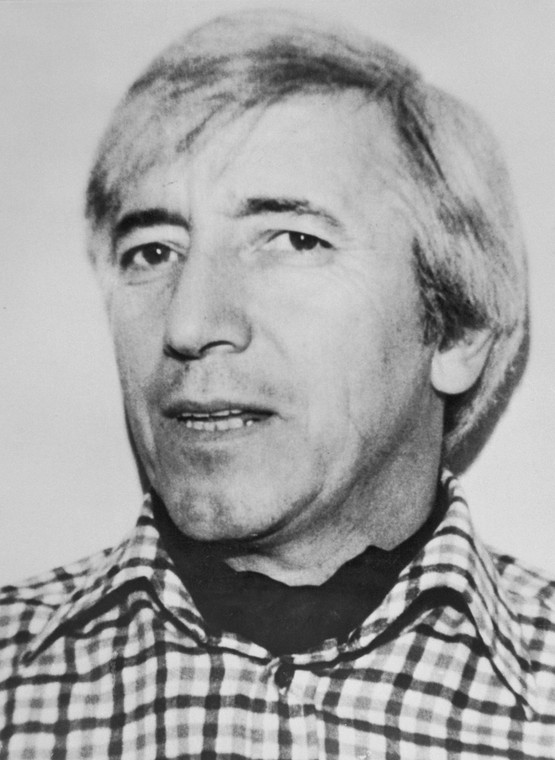
Georgi Markow
KGB killed Georgija Markowa with umbrella
Markov's death was a success for the Bulgarian authorities. His books were withdrawn from circulation, and his name was evaluated for over a decade. It was only after the fall of communism and the overthrow of Żiwków in 1989 that the truth began to come out.
No one has ever been convicted of this murder. Fugitives from the KGB, Oleg Kalugin and Oleg Gordijewski confirmed that the Kremlin organized a murder at the request of Bulgarian services. The contractor was to be the Italian agent Francesco Gullino. However, all documents regarding this case were destroyed.
It wasn't until 2000 that Bulgaria officially honored Markov. President Petyr Stojanov awarded his daughter the Order of Stara Płanina – the highest state decoration – for the writer's contribution to literature and the fight with the regime.
Markov's murder was one of many orders of Soviet services against dissidents in the West. Lew Trotsky was murdered in Mexico with a ice ax, Stepan Bandera poisoned with cyanide in Munich, and Aleksander Litwinienko died in London in 2006 after poisoning Polon-210.
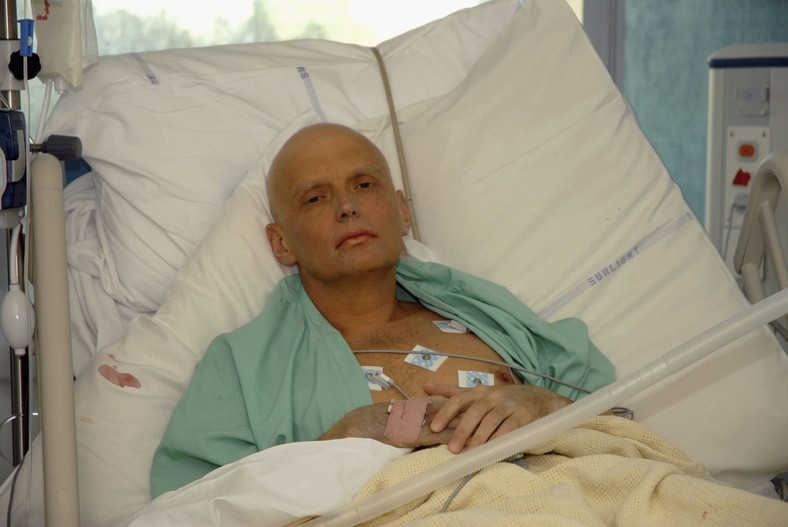
Aleksander Litwinienko at the Intensive Care Unit
This is how the KGB eliminated opponents
Even in the 21st century, the Kremlin did not stop reaching for poison. In 2018, Sergei Skripal and his daughter Julia were attacked by Nowiczok, and Aleksiej Navalny survived the attempt to poison in 2020. However, not everyone was so lucky. Navalny died in 2024 in a penal colony in mysterious circumstances.
Markov's history remains one of the most symbolic examples of the brutality of communist regimes. His death is a reminder that authoritarian systems do not go back to anything to silence their critics. Despite the passage of years, Markow's case still arouses emotions and remains a warning to those who believe that freedom of speech is a value worth fighting for.