On September 8, a new settlement system of the National Bank of Poland is starting. The change will be so -called Big Bang, i.e. it will affect all banks at the same time. Some institutions warn against possible delays and encourage you to deal with the most important settlements before or after the border date.
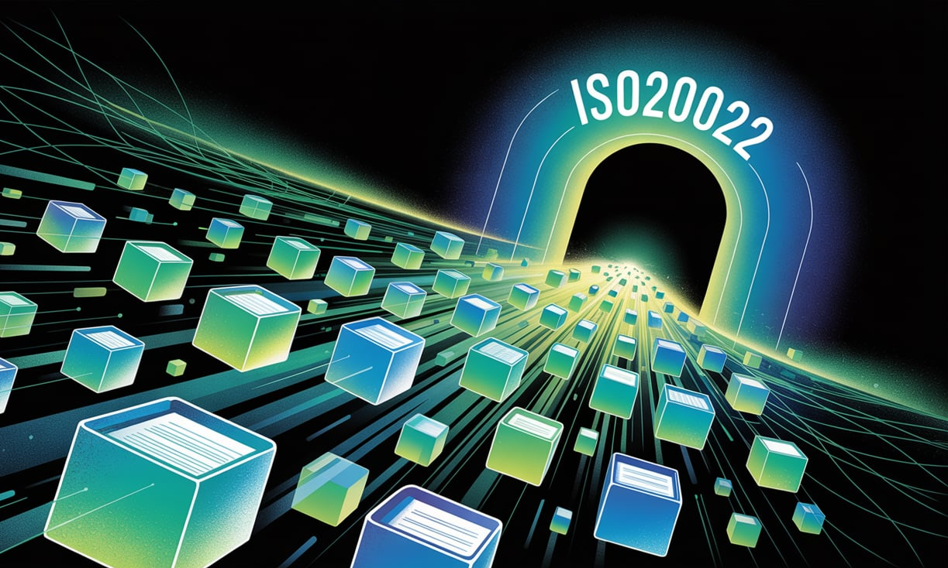
This weekend will be busy for bank IT specialists. On September 6 and 7, lenders will be migrated to a new interbank settlement service system. On September 8, the NBP will launch Sorbnet3 – the latest version of the “skeleton” of the payment system in Poland. From now on, it will be based on the XML ISO20022 message.
Sorbnet is a system large -wing settlements (above PLN 1 million) and its users are primarily banks. Sorbnet transfers are also used by corporations, small and medium -sized companies, and sometimes even retail customers. In many banks, we can choose this type of transfer if we care about time – the implementation is immediate (during border hours imposed by the bank). Advantage it is not only speedbut also no limits quota limiting other instant types of transfers. Drawback
– high feereaching for “detail” of up to several dozen zlotys.
A critical moment can cause delays
Starting Sorbnet3 is primarily a technological change, “behind -the -scenes” and not directly affecting how settlements work. However, every large implementation is the moment when complications and surprises may appear. Banks reassure that the jump should not be felt for customers. However, some institutions issued messages for corporate clients.
“The inclusion of SORBNET transfers into the payment group made in accordance with ISO20022 guarantees our clients an even more efficient exchange of messages between banks in Poland. The whole changes concern the system infrastructure, which is why it will remain imperceptible to our clients,” says Natalia Oziębała, an expert for transfers in mBank.
IN mBank On Friday, September 5, the time of service for Sorbnet transfers was shortened to 1pm. BNP Paribas bank indicates that “due to migration, delays may occur in payment settlements in the Sorbnet3 system”. The institution encourages you to perform the most important transactions before migration (until September 5) or with a distance of 1 working day after migration (from September 9).
Bank Gospodarstwa Krajowegothat it will not make Sorbnet transfers and foreign transfers in zlotys submitted until September 5 with the future date of implementation, which falls on September 8 or later. Such transactions with the future date will be canceled on a regular basis.
It is worth adding that by the way The fees charged by the NBP will increase for transfers in the Sorbnet system. The central bank will charge PLN 4 for a transaction for PLN 1 million or higher and PLN 9 for the operation below this threshold. From 2011, these fees were PLN 3 and 7, respectively. It is likely that this will soon translate into rates set in the price lists of commercial banks, and Sorbnet transfers will become more expensive.
New message formats will go everywhere
Financial institutions around the world have been using the electronic data exchange network for half a century. The communication mechanism created by the SWIFT organization in 1977, however, required a “common language”, the standardized set of message templates. SWIFT MT was such a standard. The messages were divided into dozens of hierarchical classes, and each of them had a set of fields defined. Thanks to this, you could, at least partially, automate many transactions.
The MT standard had its limitations, and in addition it was not the only one used in practice by banks and other financial institutions. The industry needed a more flexible solution. It was brought by the ISO20022 standard, which will eventually become Lingua Franca sector in the world.
ISO20022 is already used, for example, by Target2, i.e. a gross high -colored system in euros in the European Union. IN November 2025 The stage will start global migration to the new standard. The most important payment messages in the Swift network, including MT103, i.e. the payment of withdrawals abroad (let's call it imprecise “global transfer”) will be the first to go. From November 2026 Changes will affect group 9 MT messages, i.e. confirmations, bank statements.
In Poland The changes will also reach Elixir transfers. The end date of the XML ISO20022 standard in this retail system is June 2027 It will be associated with changes in payment orders formats.
“The new standard is associated, among others, with the need to change the forms of transfers output in electronic banking and paper forms for making national and foreign transfers. The biggest change will be the introduction of the so -called structured address. After this change, in the transfer instructions, you will enter the address details in the intended field, “indicates Bank Gospodarstwa Krajowego.