Article by Oana Enemănescu – published on Friday, April 11, 2025, 12:53 / Updated on Friday, April 11, 202:54
Senda Berenson Abbot (March 19, 1868 – February 16, 1954) is the author of the women's basketball guide, the first person to introduce and adapt the women's basketball rules to Smith College, modifying the existing regulation for men.
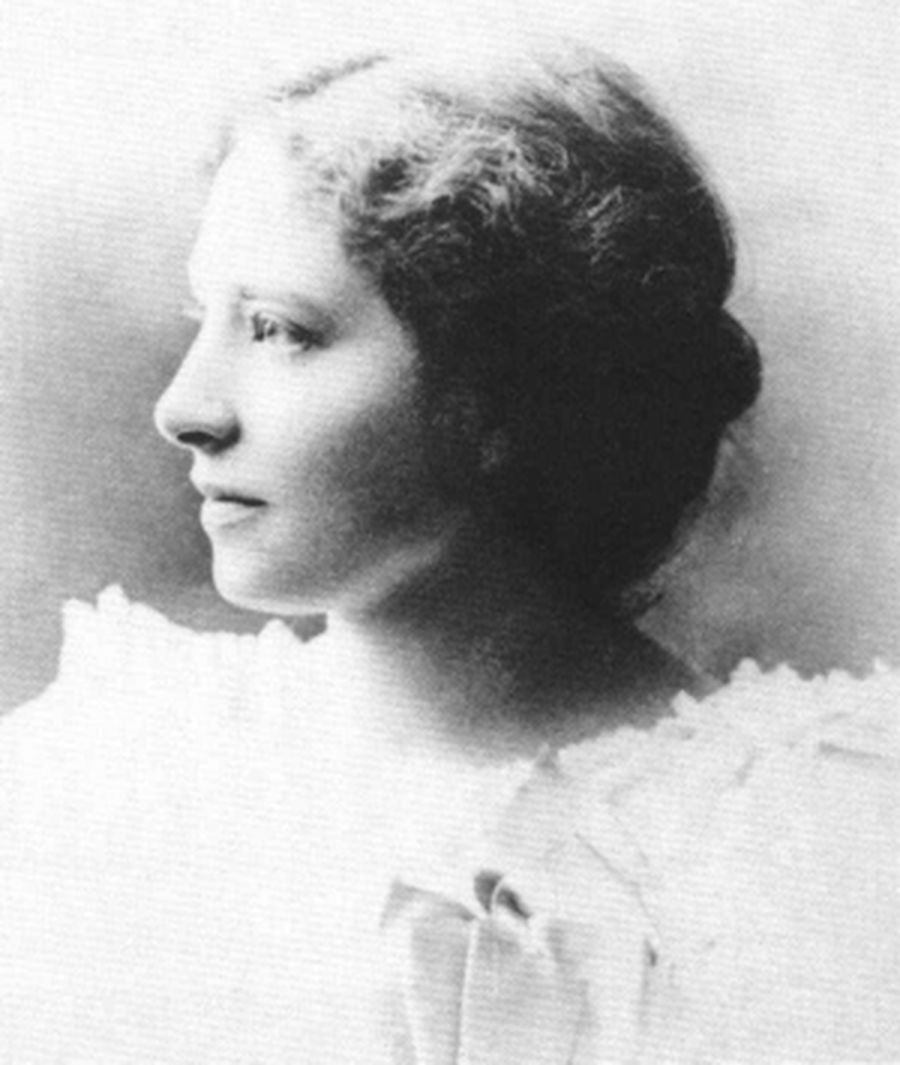
SENDA Berenson, approx. 1888
Sensa Valvrojenski was born into a family of Lithuanian Jews and emigrated to the United States, along with his family, when he was seven. They all changed their names to Berenson, as part of their integration into the new world.
In childhood, Senda was not very interested in sports, preferring music, literature and art. It was “fragile and delicate”, which affected her education. She was partially school at home by her father and attended the courses of the Boston Latin Academy, which she did not graduate.
The Conservatory in Boston followed for a while, but health problems forced her to abandon her studies. He tried to paint and play the piano, but the back pains removed it from both activities, causing her prolonged depression.
In parallel, another woman, Mary Hemenway, a philanthropist in Boston, founded, in 1889, the Normal Gymnastics School in Boston. Sensa learned about it from an acquaintance and decided to enroll in courses, to improve her physical condition and to return to the Conservatory.
Senda Berenson wanted to play sports to sing again … at the piano
The conditions for admission included a high school diploma, and Berenson had not graduated from any school. In addition, the students had to be in good physical condition, which was not her case.
The school principal, Amy Morris Homans, decided to accept Senda, feeling that this could have returned much faster physically and mentally.
The beginning of his presence at the Gymnastics School was not promising at all. Years later, he would declare: “How much I hated that school in the first months!”.
Sensa did not adapt to gymnastics exercises, as they made her feel “pain throughout the body”. However, after three months, the young woman began to observe improvements.
By the end of the year, he was doing the hours prescribed by exercises and he felt much better. Berenson then decided to enroll in the courses of the second year of study, after which he could obtain a certificate of physical education teacher.
Sensa Berenson has come to teach physical education in colleges and high schools, but also at the asylum of crazy
The health status of the Senda has improved so much that the school principal sent it to a primary school in Andover to train a teacher about the Swedish theory of gymnastics.
When Homans learned that one of the teachers at Smith College had entered the medical leave, the Sende recommended to consider this opportunity, even if it had not completed the second year of studies.
Senda Berenson Abbot has introduced exercises and games, such as basketball, not only students and students, but also detainees from the Northampton asylum.
There were times when the society did not see with good eyes the women who were playing sports, but Sensa tried to impose mandatory physical education, including among students and students.
Because in the first year of teaching they did not come to sports hours, which were not mandatory, Berenson introduced the presence of the presence from the following year.
Sensa Berenson introduced basketball in a world where girls did not know team sports
Known as the mother of female basketball, Sensa became the first woman admitted to Basketball Hall of Fame in 1985. In 1892, after Berenson realized that gymnastics were not as popular as he had initially believed, he sought alternatives.
He had read about a new game – the basketball. Team games were “unusual” at Smith College, but she thought it would be an interesting experiment. Other attempts to teach games failed, partly because women at that time had no experience with team play.
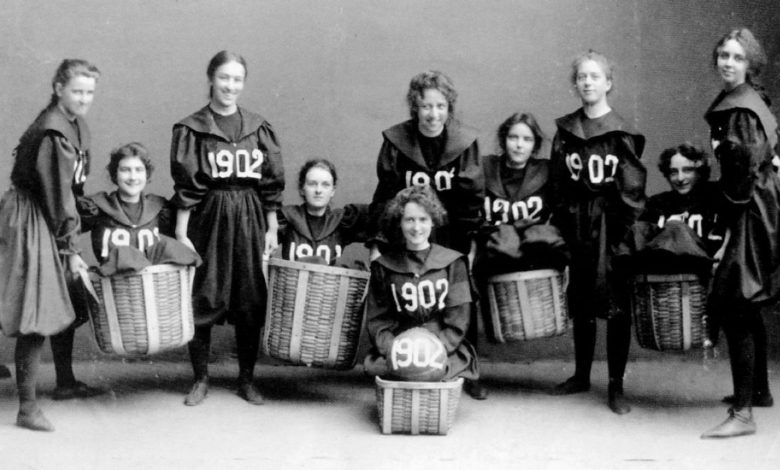
In the first female basketball game, the targets were made of trash cans.
At one of the matches in which year I and 2nd year went out, the players wore Bloomers pants, and men were not allowed to access. All the players wore blue uniforms, adorned with a ribbon of their class.
The atmosphere at the basketball matches between the girls was noisy, but the enthusiasm was expressed through chains. The too loud cries were automatically offered to stop the game.
After the basketball was introduced into the study program at Smith College, the students confessed that they have improved in many chapters, including “resistance, pulmonary capacity, vigilance, courage and firmness”.
Sensa Berenson changed the basketball rules because the sport practiced by men seemed too harsh
Regarding the basketball, Senda was satisfied with the receptivity with which this sport was met, but considered that some changes are needed for the girls who practice it to feel more at ease.
It seemed to her that the basketball game has “a tendency towards brutality”, so she talked to her students as it would be best to change the regulation.
He divided the land into three areas and forbade the players to leave the area that had been designated. They could not dribble more than three times, they were not allowed to hold the ball for more than three seconds, nor snatched from the hands of an opponent.
Finally, Senda Berenson finalized a women's basketball guide, and in 1901 Spalding Library published the rules with Berenson as an editor.
The rules set by Senda Berenson remained in use with small changes until '60. Senda considered the sport a “complete educational experience” and did not allow students to practice it if they had no good results in the academic disciplines.
Basketball players were forced to wear braided or ribbon hair to maintain the careful look. In addition to physical development, the “mother of female basketball” believes that this sport helps in intellectual and emotional development by making decisions and respecting the rules.
Sensa Berenson has encouraged her disciples to propose alternative rules or different game methods to improve the game. He encouraged responsibility by appointing team captains, who helped the coach in the field.