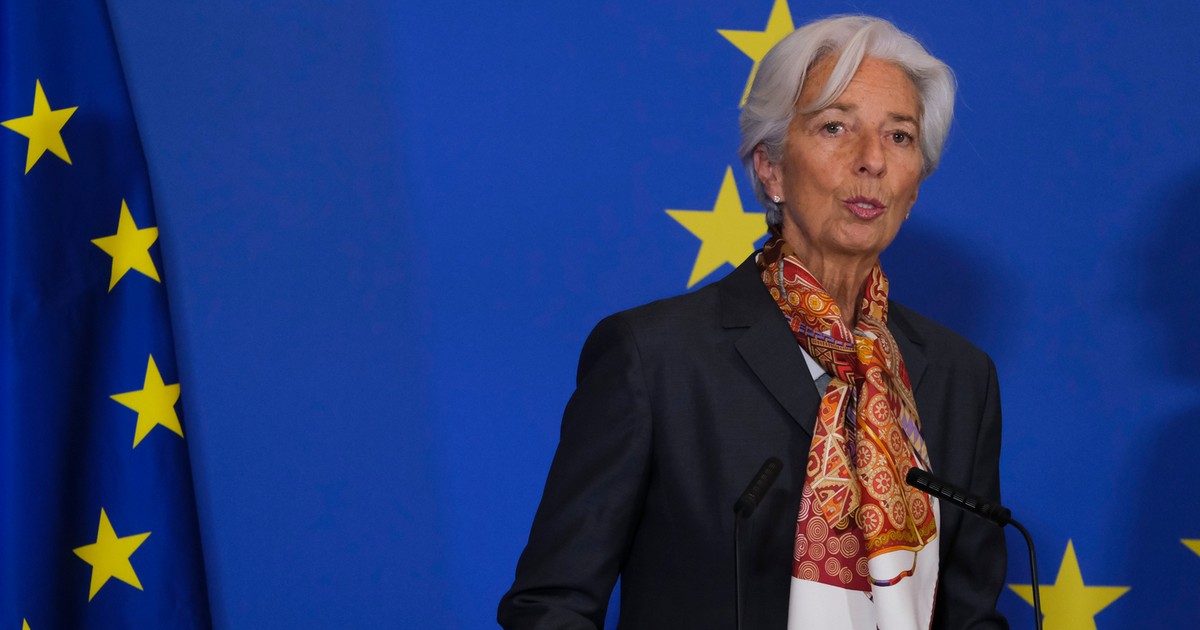
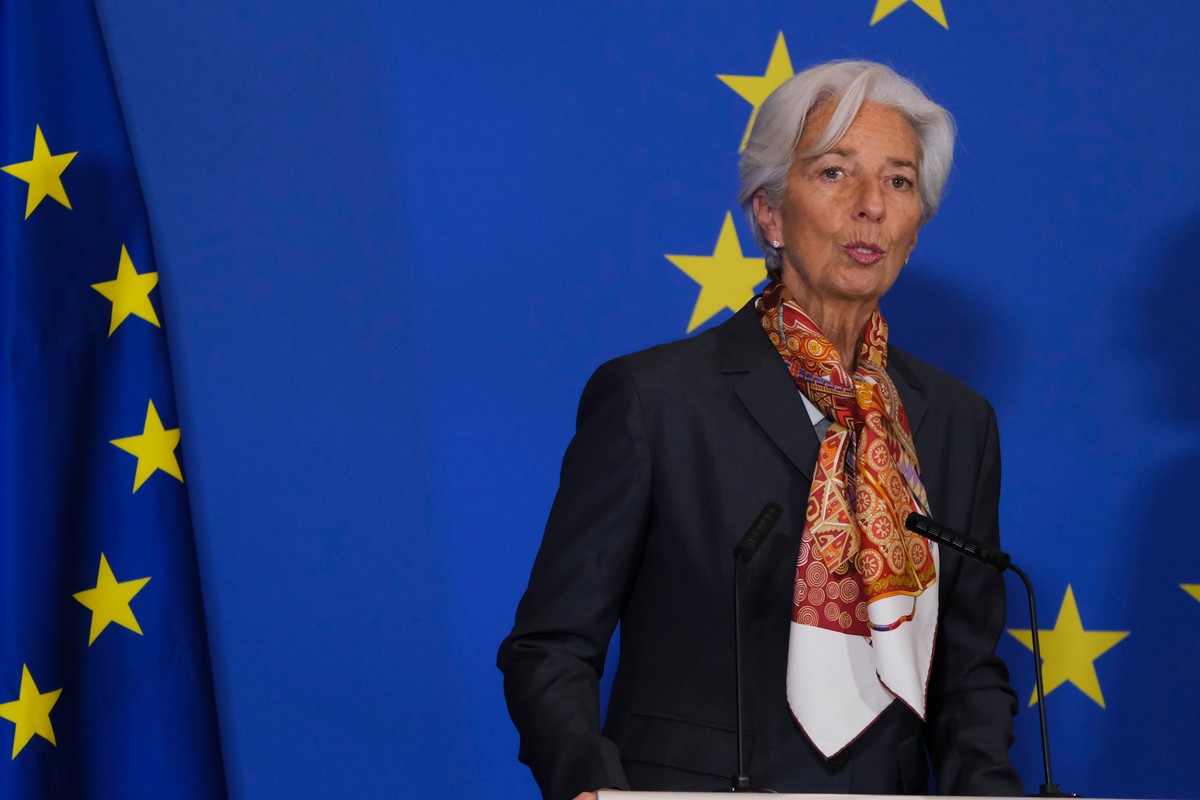
The head of the European Central Bank admitted that the largest economies of the world are facing serious demographic challenges. The European economy after Covid-19 pandemic has largely used the benefits of immigrants, thanks to which it was possible to “reduce inflation without a rapid slowdown of growth”
See also: Who should Poland model the approach to immigrants? The expert surprised with an example
Christine Lagarde admitted on Saturday that The key factor “was the increase in both the number and the professional activity indicator of foreign employees”. On Saturday, the head of EBC in a speech in Jackson Hole, on the economic symposium of the Federal Reserve, cited, among others An example of our western neighbor.
“In Germany, GDP would be about 6 percent lower than in 2019 without the contribution of foreign employees,” said Lagarde, whose words are cited by the Associated Press. Strong economic growth of Spain after Pandemia “also largely owes the contribution of a foreign labor force.”
ECB head: immigration stimulated the European economy after a pandemic
As the Associated Press notes, Lagarde's comments repeated A common view among economists that the influx of foreign employees has helped companies increase production And satisfy the rapid increase in the demand after the pandemic that occurred after stimulating benefits.
Increased supply helped reduce inflation in Europe and the United States. However, an increase in immigration also caused a political reaction in both economies.
See also: Migration of millionaires is growing rapidly. Here are 10 countries that will attract the most wealthy people in 2025
According to Lagarde “Migration could basically play a key role in alleviating “labor deficiencies as the native population aged. However, “the pressure of political economy can increasingly limit the influx.”
Lagarde also said that a decrease in corrected wages by inflation, greater accumulation of employees by companies and the influx of elderly to the labor force also contributed to stable economic growth, even when EBC raised interest rates.
As Lagarde emphasized, in the past higher costs of external financing slowed down economic growth, often causing recessions and leading to higher unemployment. However, this did not happen because EBC raised its main interest rate in 2022 and 2023.