Five questions for the Romanian Daniela Rus, the first woman at the top of the robotic department from the most prestigious technology university in the world

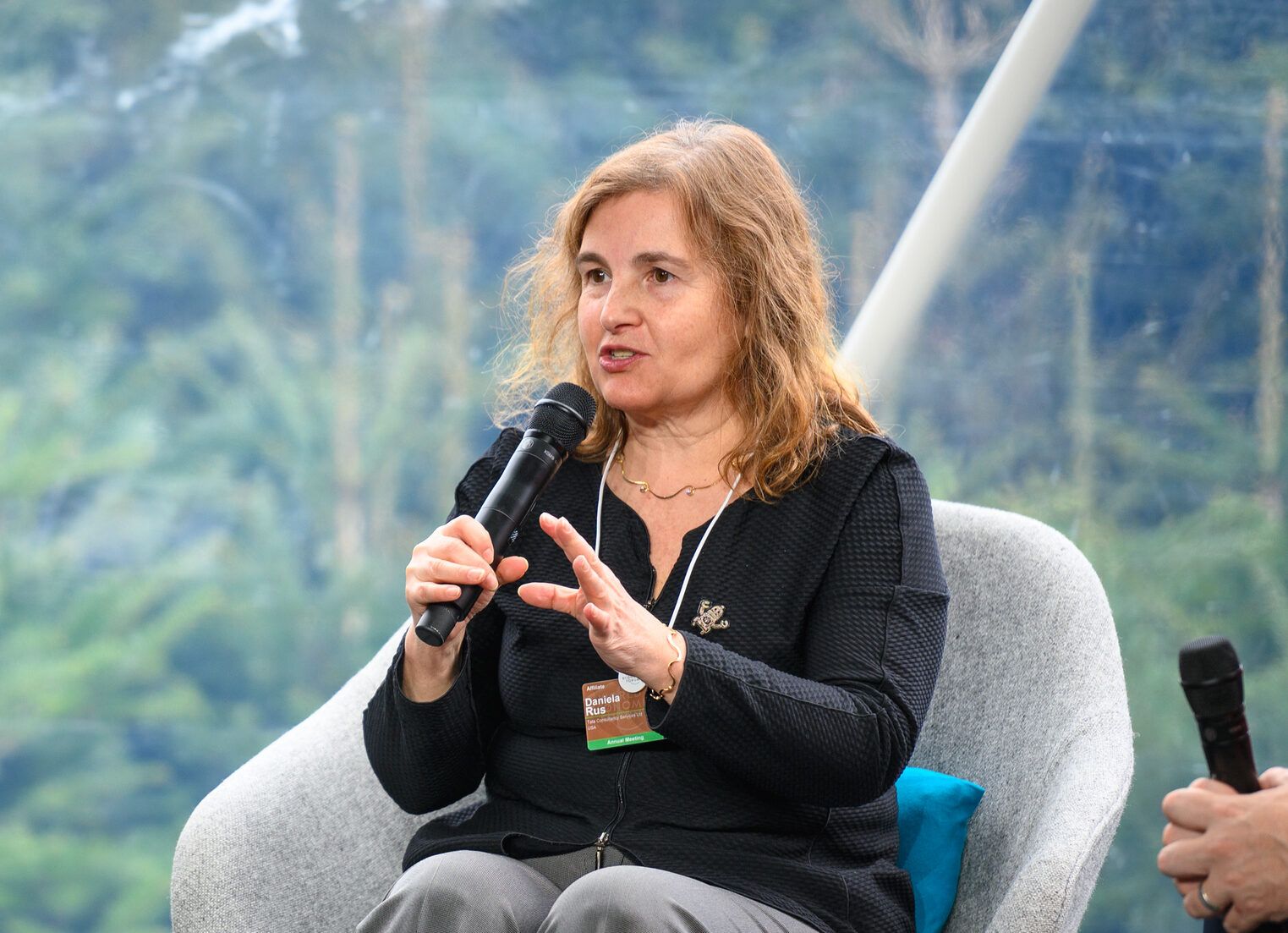
The artificial intelligence systems that currently feed humanoids do not have an understanding of common sense, nor of the physical principles that govern the real world, says Romanian -origin researcher Daniela Rus, the director of the Laboratory of Informatics and Artificial Intelligence (CSAIL) of the Technological Institute in Massachusetts Donald Trump.
- The researcher answered five questions about technology and shared his vision of the future in this field for the newsletter dedicated to the science of American Polito magazine.
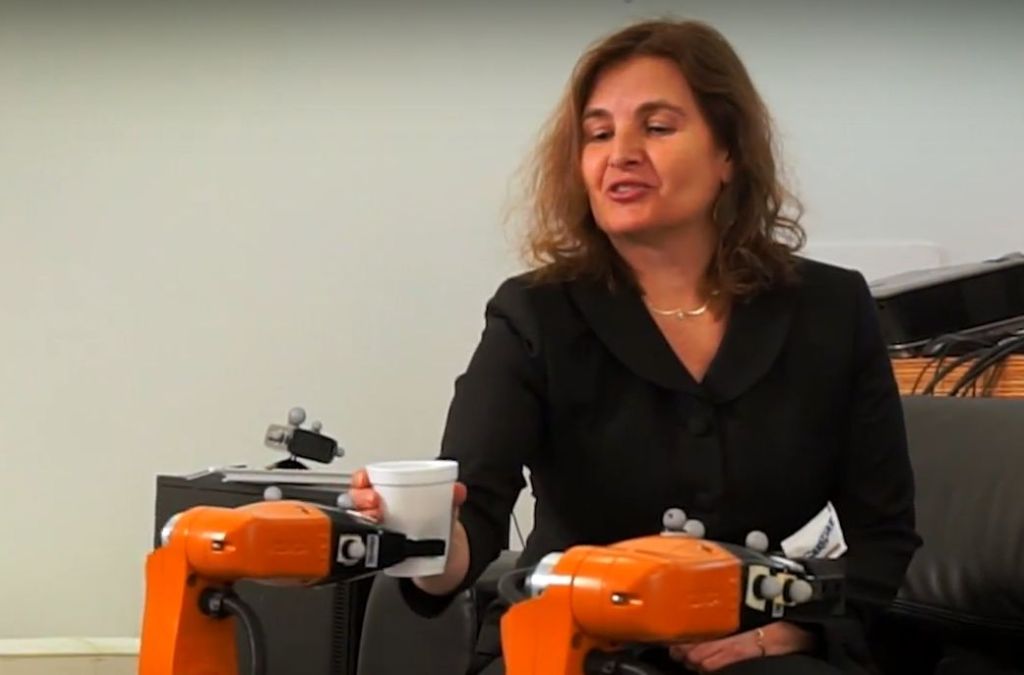
Described in Polito as “one of the most important personalities in the world in the study of the bond between robots and artificial intelligence and a pioneer in the Soft Robotics field (no – of robots that can be adapted to the physical environment)”, Daniela Rus says that the challenge in robotics “exceeds the mechanics”.
“The physical body helps to calculate the behavior”
Asked about an underestimated great idea, the robotic expert talks about incorporated intelligence. She says that we often assume that intelligence is in the brain or in the AI model, “but the physical body helps to calculate the behavior: the muscles regulate rigidity, the tendons absorb energy.”
“In robotics, this means designing systems that not only perform plans, but respond intelligently through their materials and morphology. Incorporated intelligence allows cars to adapt in real time, because intelligence is distributed throughout the system, not just encoded in software,” adds CSAIL director.
The challenge that exceeds the mechanics
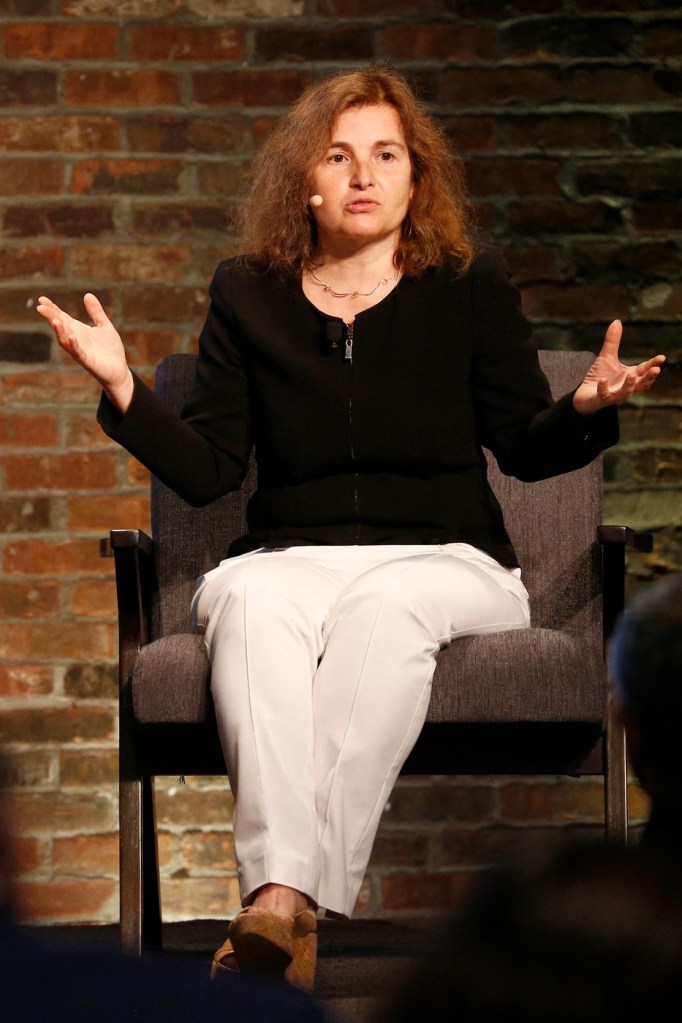
“While humanoid robots captivate the public's imagination -and, more and more, investment capital -Bipe smanks with general use remain far from commercial or operational practices in the near future,” says Daniela Rus, asked, in his opinion, overvalued technology.
The director of MIT explained that the shape of the humanoid robots, although similar to the human one, is also mechanically inefficient, difficult to balance and energy. “Maintaining stability on two legs requires constant control, with wide band widths; handling the world with human hands in dynamic environments adds another level of complexity.”
The robotic expert talks about “a challenge that goes beyond mechanics”. These are AI systems that currently feed humanoids. These, according to her, “do not have an understanding of common sense, nor of the physical principles that govern the real world.” “They cannot reason about mass, strength or friction in intuitive ways, as a child can do.”
Former Trump's former consulting says what the US government does not do
Romanian -origin researcher talks about financing a national laboratory in the US to stimulate innovation in important fields.
“What could the government do in the field of technology and not currently?” Daniela Rus was asked. She replied that although the US government has invested in energy networks, railways and Internet, in AI, it “must treat high performance calculation, data management and models evaluation as a public infrastructure.”
“This means financing a national border laboratory and building safe federal databases, which respects privacy, to stimulate innovation, especially in areas such as health, climate and education,” she says.
“Cars change the way we perceive ourselves”
The director of CSAIL was also asked what is the book that most influenced the conception of the future. She spoke about the book “The Second Self: Computers and the Human Spirit” (the second self: computers and human spirit), written by American sociologist Sherry Turkle.
She says that this book has a deeply humanistic approach to technology and “reminds us that machines change the way we perceive ourselves.” “It has changed the way I see robotics, not only as tools, but as partners, and inspired me to wonder: in what kind of future do we want to live with smart cars?” Rus adds.
The rapid evolution of ai surprised it even on it
Asked what surprised her most this year in terms of technology, Daniela Rus said she did not expect to see “such a fast progress in the field of agents that explore, plan and adapt in the long term”.
She says that the AI has the ability to reason through tasks, to self-depend and form memory between sessions “evolves quickly without being materialized”.
The robotic expert also observes that after years dominated by digital platforms and software, “we see again a serious energy around physical innovation: fusion startups, space infrastructure, small modular reactors, new types of batteries and programmable matter.”
Who is Daniela Rus
Daniela Rus, 62 years old, was born in Cluj, Romania. She emigrated with her family to the US in the 1980s and gave her doctorate in computer Science at Cornell University. Since 2003 he has been active in MIT where he has helped to develop many slaves.
Currently, she is the director of the Mit Computer Science and Artificial Intelligence Laboratory (CSAIL) and the head of the distributed robotics laboratory. She is the first woman to run CSAIL and has been part of the Presidential Council of Counselors for Science and Technology during Donald Trump's first term, according to Politico and the CSAIL site at MIT.
Its research in robotics, artificial intelligence and the date of Science are primarily on the development of science and engineering behind autonomy – aiming to contribute to a future in which robots are integrated into everyday life.
In 2024, Daniela Rus received in 2024 the prestigious John Scott award for “his research that revolutionized the science of robotics, spectacularly improving the quality of human life”, and in 2025 Russian received the Ieee Edison medal, granted by the Institute of Electrotechnic and Electronist Engineers, for “Leadership Modern ”, notes Symphonyai.com.