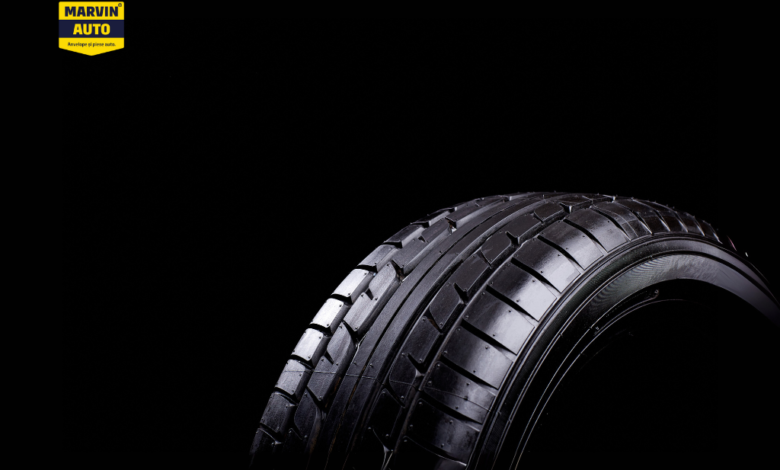
Tires are essential elements of road safety, representing the only contact point between the vehicle and the road. In the cold season, the use of winter tires is mandatory and vital to ensure optimum adhesion in snow, ice and low temperatures. With the arrival of spring, however, these tires must be replaced and stored properly to maintain their performance and extend their lifespan. In this context, the correct storage of winter tires becomes an essential stage, often neglected by drivers, which can directly influence road safety and future costs.
Here are 5 essential tips for storing winter tires, so that they are prepared for the next season without the risk of damage.
1. Full cleaning of tires before storage
The first essential step, often omitted, is the thorough cleaning of the tires before being stored. During the cold season, the tires accumulate mud, salt, gravel and other chemicals used for snow removal. These residues can affect the chemical composition of the rubber, causing cracks, drying the material or losing elasticity.
To prevent these problems, wash tires with hot water and car soap, using a brush to remove persistent dirt. Avoid aggressive detergents or solvents because they can attack the rubber compounds. After washing, it is essential to allow them to completely dry in a well-ventilated space, avoiding direct exposure to solar rays.
2. Labeling the position of each tire
Another important aspect in preparation for storage is marking the position of each TIRES on vehicle: right front (FD), left front (FS), right back (SD) and left rear (SS). This simple step allows an effective rotation to the next installation, contributing to the uniform tire wear and a longer life.
This correct rotation of positions at each installation influences not only safety, but also the comfort in rolling and fuel consumption. Tires that have been used for a long time on the same wheel can gain specific deformations to that place (due to the weight of the car and dynamic forces), which is why repositioning is an important aspect in tire maintenance.
3. Choosing a suitable storage space
The place where you store the tires is essential for keeping their qualities. The ideal space is cool, dry, dark and well ventilated. Extreme temperatures, sudden temperature variations, direct sunlight or high humidity can affect the rubber in an irreversible way. Also, the tires should be protected from ozone, generated by electrical devices such as engines, compressors or generators, because ozone attacks the molecular structure of the rubber.
It is important that the tires are stored in a place where they are not exposed to chemicals, oils, fuels or other corrosive substances. They can penetrate the rubber and compromise the internal structure of the tire. Ideally it would be a garage, a cellar or a dry warehouse, away from heat or frost sources.
4. The correct positioning according to the type of tire
The way the tires are placed during storage is as important as the space in which they are stored. If the tires are stored without rims, they must be placed (vertically), not overlapping. If they are placed on top of each other, their own weight can lead to permanent deformations. It is recommended that their position be changed to 3-4 weeks to prevent the part in contact with the ground.
If the tires are mounted on rims, they can be stored (horizontally), one after the other, or hanging on special hooks. It is important to maintain a slightly lower pressure than recommended for rolling, to avoid excessive internal tension during the rest period. Regardless of the chosen method, it is essential that the tires are not subjected to external weights or pressures.
5. Using the case or protective bag
To better protect the tires from external factors, it is advisable to use special storage covers or opaque or plastic bags. They provide protection against dust, UV light and humidity, keeping the rubber in a state as close to that at the time of disassembly.
Special tires cover also allow good air circulation, preventing condensation formation, which could favor the appearance of mold or other forms of degradation. Avoid using plastic watertights that do not allow ventilation, because they can retain moisture inside and speed up the material degradation.
Quality tires essential for your safety
Road safety begins with the correct choice of tires. Whether we are talking about the hot season, the cold season or varied conditions, a set of quality tires means good adhesion, shorter braking distances and a stable direction, even under difficult conditions. Therefore, it is essential to choose tires from recognized producers and reliable stores.
For those who are looking for reliable tires, be winter, summer or mixed (all-season), an excellent solution is the Marvin Auto online store. With a vast portfolio of products, competitive prices and fast delivery, Marvin Auto is noted as a trusted partner for any driver concerned with safety and performance.
On the Marvin Auto website you will find tires for all types of cars, SUVs, 4 × 4 or vehicles, from consecrated brands such as Michelin, Continental, Bridgestone, Pirelli or Hankook. In addition, you have access to specialized consulting, intuitive search filters and detailed information about each model, to make an informed choice.
Conclusion: A simple practice with major effects
The correct storage of winter tires is a simple action, but with a major impact on their performance and lifespan. Respecting the steps described above – cleaning, labeling, choosing an adequate space, correct positioning and using protective covers – you make sure that your tires will be prepared in the best conditions for the next season.
Last but not least, choosing quality tires, bought from a reliable store such as Marvin Auto, completes the whole process and guarantees your tranquility. After all, your safety, passengers and other traffic participants start with the four contact points of the car with the roads – tires.