2025-08-10 17:00
publication
2025-08-10 17:00
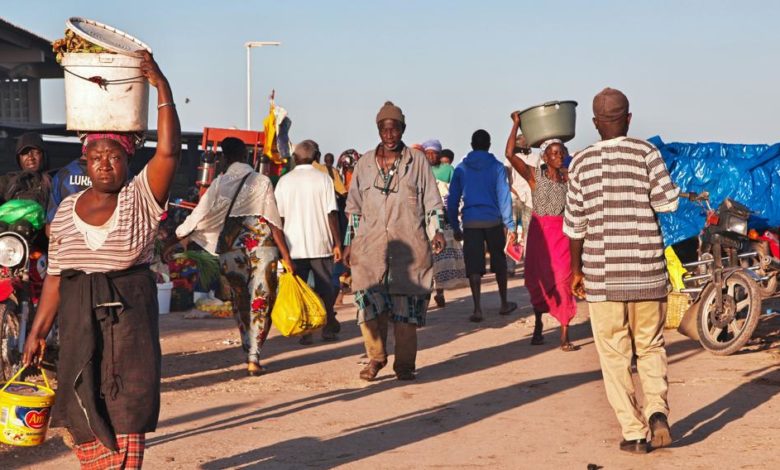
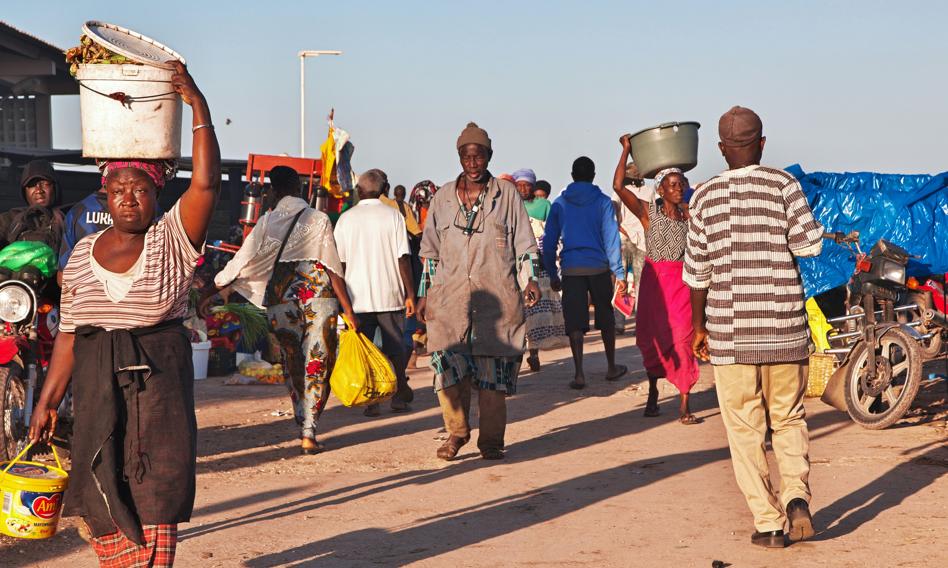
Over 600 million people in Africa, or almost half of its population, have no access to electricity, although the continent has huge renewable energy resources – revealed the outgoing president of the African Bank Development (AFDB), Akinwumi Adesina.
– Africa has 11 theravings of the potential of solar energy, 350 water energy gigawatts, 150 wind energy gigawatts and 15 geothermal energy gigawatts – calculated Adesina. One terawat is a million megawatts, or a trillion of watts.
The International Energy Agency (IEA) recently estimated that there are 60 percent in Africa. The best locations in the world for photovoltaic installations. But currently all the solar power installed on this continent is more or less equal to the one installed in Belgium.
African energy landscape was shaped by unevenness that dates back to colonial times. Infrastructure and development of the colonial era treated cities in a privileged way, basically only capitals and mining centers, primarily coal and gold mines. The villages were and are free of electricity. This mainly applies to sub -Saharan Africa, where there are no four of the five Africans.
In Liberia, only 30 percent have access to electricity. population, mainly in the capital's monrovia, but foreign donors, contrary to adversities, have recently invested in this West African country in the production of three -wheeled electric vehicles. The situation in the Democratic Republic of Congo is even worse, 11 as to the size of the country of the world, where only 20 percent. Society has access to electricity, just like Burkina Faso. And in South Sudan, only 5 percent can boast of access to electricity. population. All these countries have been equipped with valuable raw materials by nature.
The energy situation in Africa was worsened by Russia's invasion of Ukraine, which caused a rapid increase in the prices of food, energy and other raw materials. According to the United Nations, currently 4 percent More Africans live without electricity than in 2019, which contributes to the rapid growth of extreme poverty in Sub -Saharan Africa.

Lack of access to electricity also limits access to information and communication and forces African residents to rely on traditional fuel sources for cooking and heating, which in practice is limited to charcoal. The smell of this roasted fuel is steeped in the whole Africa, and according to AFDB, 600,000 die a year. women and children.
Increasing the scale of energy supply and access to it requires giant investments. The African Development Bank estimated that bringing up universal access to electricity will require annual investments of $ 30 billion to 2030.
And Africa also urgently needs huge investments in roads, transport, healthcare, education, water and sanitary installations.
– The continent needs at least $ 1.3 trillion a year to finance these needs – calculated the president of AFDB.
From Monrovia Tadeusz Brzozowski (PAP)
tebe/ mal/