Revolutionary discovery: a hidden weakness of aggressive cancers, identified by researchers

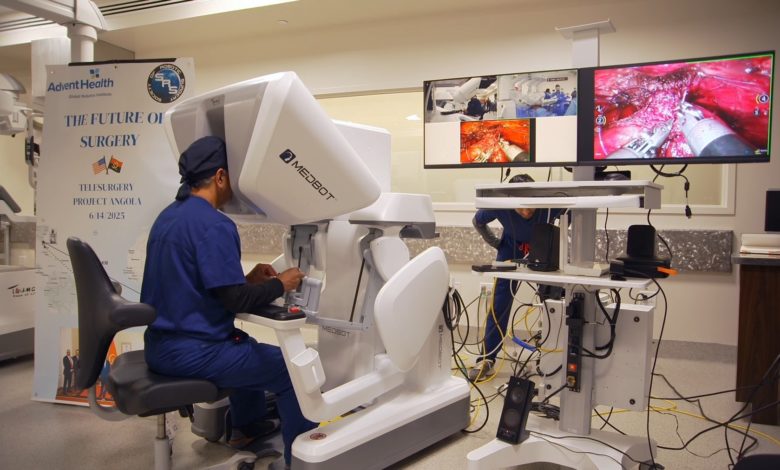
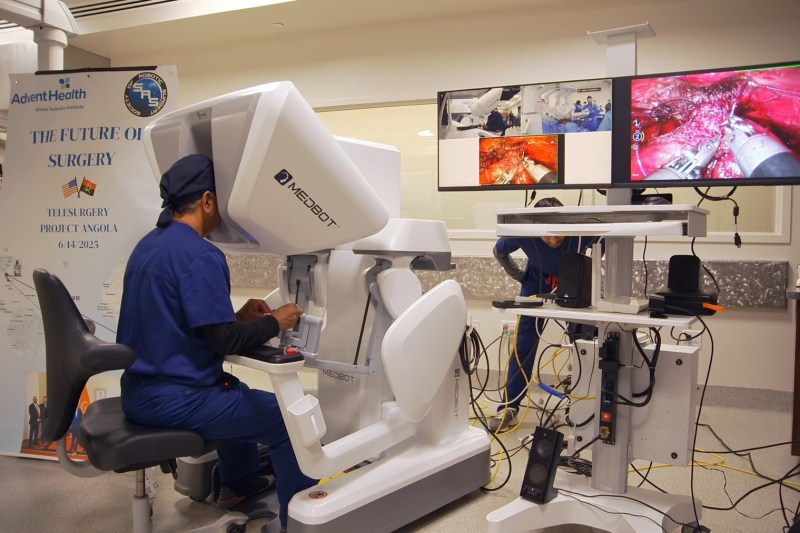
Illustrative photography / Dr. Vipul Patel performs from a distance robotic surgery on a patient with prostate cancer at over 7,000 miles away, marking the first transcontinental telechurgia in the world in a clinical study of the FDA, on June 24.
Researchers in Australia have discovered a new method that could reduce the incidence of aggressive and difficult to treat, by targeting a specialized molecular process, known as “minor mathing”, writes the Xinhua press agency on Monday.
The study shows that blocking the minor mature slows down significantly the growth of tumors in the case of liver, lungs and stomach cancer, without affecting healthy cells, according to a press release published by the Walter Institute and Eliza Hall (Wehi) in the Australian city of Melbourne.
Matting is the process by which the cells transform long RNA chains into shorter fragments, called messenger RNA, which provides the protein matrix, notes AGERPRES.
The major mattress achieves 99.5% of this activity.
The minor matteing is an indispensable process for the percentage of 0.5% of the genes, affecting about 700 of the 20,000 genes that exist in the human genome.
The new study revealed that blocking the minor mature causes the accumulation of DNA injury in cancer cells and activates a key way of suppressing tumors, which leads to the death of the affected cells.
Remarkably, healthy cells remained largely unaffected, Australian researchers discovered.
“Instead of trying to target specific mutations, which can only be applicable to a sub-group of patients, we disturbed a fundamental process on which these types of rapid growth are based,” said Professor Joan Heath, main researcher at Wehi.
His team analyzed over 270,000 drug -like molecules in order to find promising candidates for the development of therapies aimed at minor maturity.
“We have validated the minor maturity as a convincing therapeutic target – now the challenge is to develop a drug compound that will safely and efficiently inhibit it,” said Joan Heath.