Kazakhstan has forbade the law to cover the face in public places. The measure is seen by some as an increase in state control over citizens

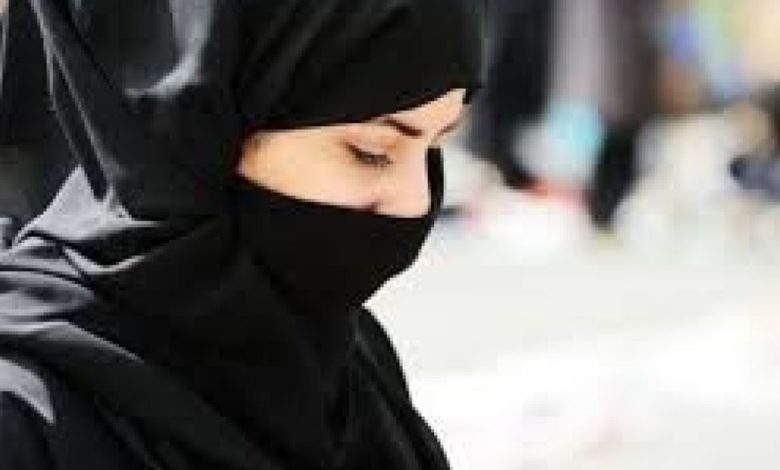
Kazakhstan prohibits the face coverage in public places, through a new law signed by President Tokayev. Although the hijab remains permitted, the measure has aroused heated debates in society, some considering the necessary decision, others criticizing the increased control over the population.
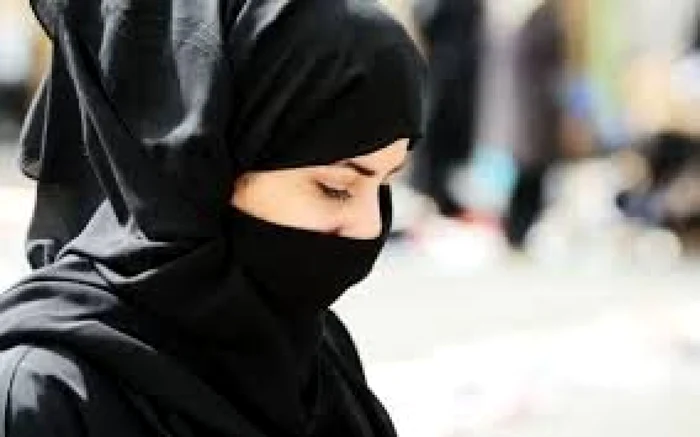
Kazakhstan has forbade the face coverage in public places. Photo: Archive
Starting this month, Kazakhstan has adopted a new law, considered by authorities essential for public security, after President Kassym-Jomart Tokayev has signed an amendment to the Law on Crime Prevention that prohibits the coverage of the face in public spaces.
According to the text of the new law, “It is forbidden to wear clothing that prevents facial recognition in public places.”
However, the normative act also provides for a series of exceptions, such as wearing protective masks in work contexts, such as welding, as well as for medical professionals, for civil defense, in extreme weather conditions or in participating in sports and cultural events, according to Euronews.
The law does not explicitly mention the prohibition of covering the face for religious reasons, but there are already voices who have emphasized that the measure will indirectly target women who wear Burqa or Niqab in public. However, the hijabies, which cover the head, but leave the face discovered, will continue to be allowed, unlike Niqab, which leaves only the eyes visible, and Burqa, which completely covers the face.
Covering the face entirely, imported from Arab countries
In the last five years, in Kazakhstan an increase in the number of people wearing religious vestments has been observed, but Hijab remains the most widespread form of coverage, while Burqa and Niqab are rarely encountered.
The supporters of this measure invoke the argument that the face coverage is not part of the local tradition, being a recently imported tendency in the Arab countries.
“Instead of wearing black vestments that hide your face, it is much better to wear national style clothes. Our national clothes vividly emphasize our ethnic identity, so we have to popularize them on a large scale.” said President Kassym-Jomart Tokayev earlier this year.
The law is challenged
However, the measure sparked reactions divided on social networks and Kazakh society. Some citizens consider the prohibition necessary and appropriate in the context of public security, while others have criticized the decision, interpreting it as a new attempt by the Government to exercise increased control over the population and individual freedoms.
The decision of Kazakhstan is aligned with similar measures adopted by other Central Asia states, such as Kyrgyzstan, Tadjikistan and Uzbekistan, which have imposed restrictions on the use of head and women in public spaces, authorities of these states invoking security and maintaining cultural traditions.