Employers in Romania boast that they reward their employees with holiday bonuses, medical subscriptions and the possibility to work from home

83% of employees receive extra -material benefits in the company they work for, including holiday bonuses, medical subscriptions and the possibility to work from home.

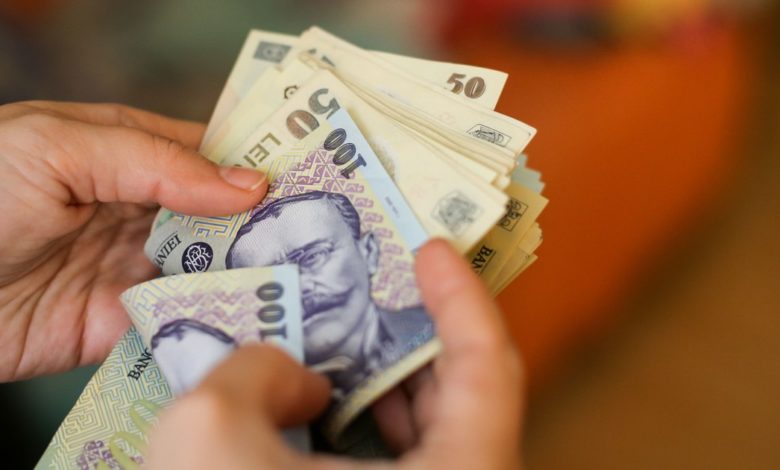
Employees prefer holiday premiums. Photo shutterstock
The meal vouchers continue to be the benefit that is found in most of the packages designed by employers, given that 81.6% of the respondents have ticked this answer. 71.4% of them replied that they have holiday bonuses, 63.3% completed the list of medical subscription, and 51% have additional days and remote work. Other benefits mentioned by employees are the settlement of transport, team parties, vouchers / gift vouchers, room subscription, office massage, insured lunch or holiday vouchers.
Bonuses or first in money are the most appreciated
“We see, every year, a few constants in this list, such as meal tickets, medical subscription or holiday premiums. And, besides these, for 5 years now, there has also been the possibility to work from home, which has been transformed from a normality of the labor market into a benefit that only about half of the employers also offer, but which remains highly appreciated by the employees.”Says Raluca Dumitra, Head of Marketing at EJobs, the largest online recruitment platform in Romania.
Of these, the most appreciated benefits are meal vouchers, medical subscription, additional free days and the possibility to work from home. Holiday vouchers, transport settlement, gift vouchers or the room subscription are also among the benefits that employees in Romania appreciate. “Of course, employees include strictly financial benefits here, such as bonuses or first money, whether it is performance, holiday, year or holiday bonuses. If the others are appreciated, but not all have a use rate of 100%, in the case of money, the use rate reaches 100% and are associated with the employee”, Explains Raluca Dumitra.
Monthly benefits between 200 and 1,000 lei
As for employers, 69.4% of them say that, in 2025, it offers as many benefits as last year, 22.4% more benefits, and 8.2% less. In the case of those who increased the value of the benefits package, most, respectively 36% say that the increase was of maximum 5%, and 27% had an increase between 5% and 10%, while 18% mentioned between 10% and 20%.
Currently, the value of the monthly benefits package offered to employees is between 601 and 1,000 lei in the case of 36% of employers, between 201 and 600 lei, in the case of 32%, between 801 and 1,000 lei for 22%, while 18% offers benefits whose value exceeds 1,000 lei per month. Employees, on the other hand, believe that an acceptable average value of the cumulative benefits they receive should exceed the threshold of 1,000 lei (50% punctuated response). 40% indicate a value between 500 and 1,000 lei.
10% of employers will cut from benefits next year
“Even if we are only at the beginning of the second quarter of the year and things can still undergo changes in terms of budget for benefits, there are also employers who know from now on what changes will occur in 2026. Thus, 12% preconceive supplements in the benefit package, 10% are waiting for cutting, while 22% will make some changes, do not use them and will introduce new ones, which they wish“Adds Raluca Dumitra.
Asked what the benefits would help the company differentiate in the market as a desirable employer during this period, employers included in a top 3 salary for all employees, expanding the benefit package to family members and the 4-day work week, shortening the program at 32 hours per week.
The way the package of extrasalarial benefits looks is very important for 65% of employees, and even more, 41% declare that a consistent package could even convince them to accept a new job offer and leave the current job. However, 46% of employees say that they rarely happen to ask the benefits adapted to the needs they have, and 37% have never done so. The main reasons why they do not do this are related to the fact that they did not trust that their opinion would be listened to or that they did not know that they could make a request in this regard. At the same time, of those who asked the manager several benefits, only 28% received them.