
Boița, the zero kilometer of the future highways Sibiu – Făgăraș and Sibiu – Pitești. What is the stage of investments

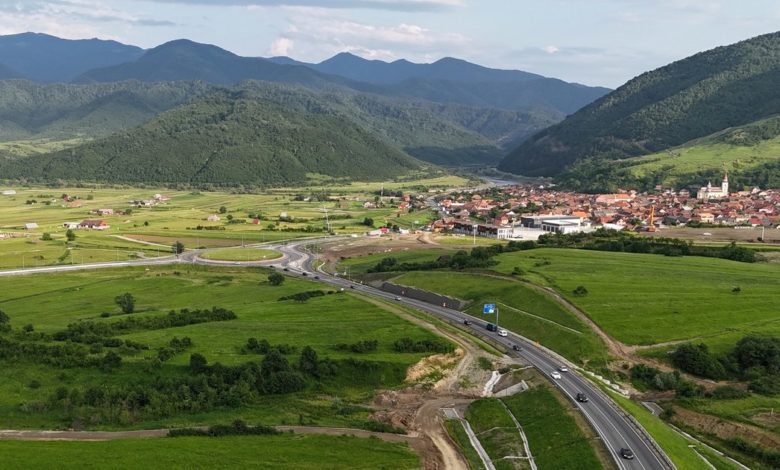
Two important highways in the construction site are joined in Boița commune, transforming the Siberian locality into one of the most transitional road infrastructure nodes. In the coming years, Boița will become the main connection knot between Transylvania, Muntenia and Moldova.
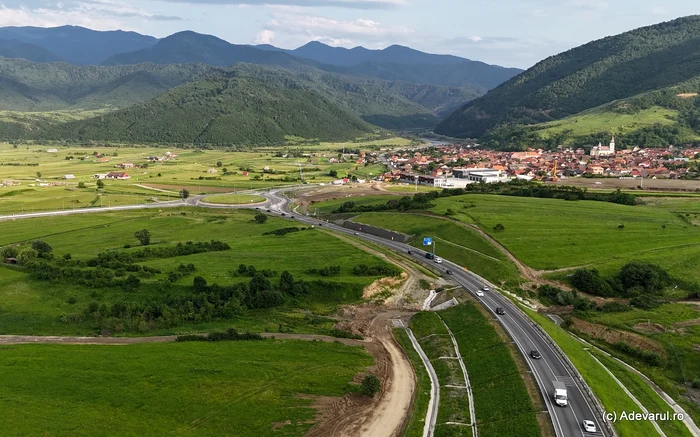
Boița commune, at the entrance to the Olt Valley. Photo: Daniel Guță. TRUTH
Refined in 2004, after the locals decided, following a referendum, the detachment of the locality from the city of Tălmaciu from Sibiu county, Boița commune, in the vicinity of Sibiu, can become, in the coming years, one of the most transitional highway nodes in Romania. Two important highways, who have recently entered the site, are united in the Siberian town with less than 1,500 inhabitants.
From Boița begins the construction of the mountain route of the A1 Sibiu – Pitești highway (video), in length of 122 kilometers (without the Sibiu Belt). Its route was divided into five sections, for which the Romanian state and the builders signed design and execution contracts during 2019-2022.
So far, section 1 Sibiu – Boița, 14 kilometers, and recently, section 5 Curtea de Argeș – Pitesti, 30 kilometers, have been opened. Three other sections, which will mostly cross the Olt Gorge, between the localities of Boița and Curtea de Argeș, are in the site and have a deadline between 2027-2028.
“This highway (section of the A1 highway), built through European funds, is the first to cross the Carpathian Mountains and will ensure, on the territory of Romania, the connection on the East-West axis (Constanța-Nădlac). Currently, there are still three sections of this highway, between Curtea de Argeș and Boița, which have a length of 78.8”informs Sorin Grindeanu, Minister of Transport.
The Sibiu – Pitești highway is part of the A1 Bucharest – Nădlac highway, with a length of almost 600 kilometers, of which the works on the Olt Valley remained, but also a section of about 10 kilometers from western Romania, provided with two tunnels over two kilometers, between the localities.
Sibiu Highway – Făgăraș, in the site
Also from Boița begins the route of the Sibiu – Făgăraș highway (A13), in length of almost 70 kilometers, which, in the future, according to the project proposed in the Master the General Transport Plan (MPGT) launched in 2015 by the Ministry of Transport, would be continued to Brasov and Bacău.
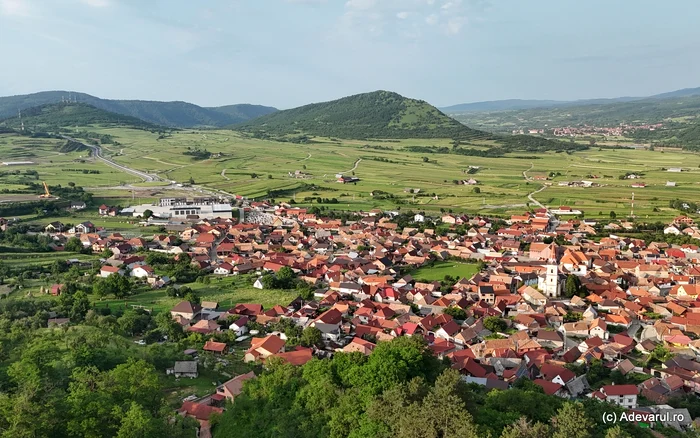
Boița. Photo: Daniel Guță. TRUTH
The A13 Highway Sibiu – Brașov – Bacău will have 300 kilometers, but only the Sibiu – Făgăraș section is in the site, the rest of the route being in the planning stage. The contracts for the four lots of the Sibiu – Făgăraș highway were signed in 2023, between the Romanian state and the associations run by the company Makyol Sanayi Turizm Ve Ticaret.
“The route of the Sibiu-Făgăraș highway will be held between Boița, from Sibiu county, at the intersection with the Sibiu-Pitești highway, and the municipality of Făgăraș. The route is located on the administrative territory of two counties: Sibiu county, from km 0+000 to km 38+300 Red, Racovița, Porumbacu, Cârța, Arpașu de Jos; The route is about 68.05 kilometers. Recently inform the National Company for Management of Road Infrastructure (CNAIR).
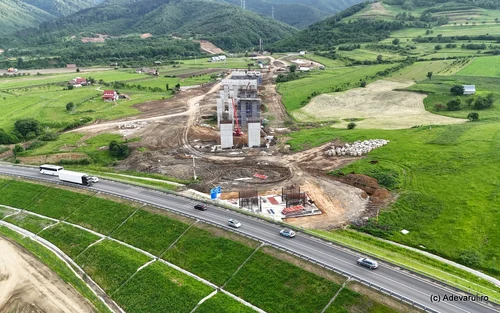
Image 1/10:
Boița viaduct in photo site Daniel Guță Adevărul (23) JPG
The investment, estimated at over 8.3 billion lei, is financed by the Romanian state and the European Union from the European Regional Development Fund, through the Transport Program. The project means the construction of 68 kilometers of highway, six kilometers of connecting roads, 102 structures, four service spaces, seven road knots, two maintenance and coordination centers and a support point on the freeway.
According to the contracts signed in 2023, all four lots of the highway passing at the foot of the Făgăraș Mountains have a deadline in 2027.
Currently, they are in execution, in the beginning stage, only two of them, Avrig – Arpașu de Jos (20 kilometers) and Arpașu de Jos – Sâmbăta de Sus (18 kilometers), while for Boița – Avrig (14 kilometers) and Sâmbăta de Sus – Făgăraș are expected to start construction. The period of implementation of the project, approved by the Ministry of Transport, is not later than December 31, 2029.


