7 trivial habits in the kitchen that can endanger your family. The correct temperatures for cooking each type of meat

Many of us believe that certain habits in the kitchen are harmless: we use the same sponge for days in a row or leave the pizza on the kitchen countertop overnight. The reality, however, is quite different. These simple gestures can become true outbreaks of dangerous bacteria, warn microbiologists.
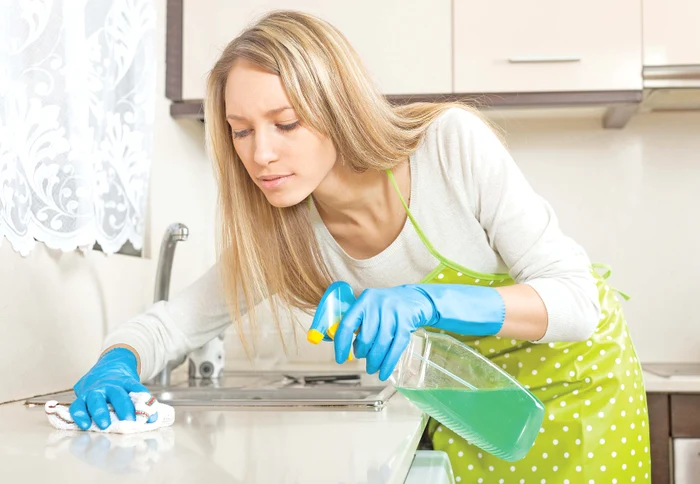
Disinfecting work surfaces in the kitchen prevents food contamination truth
In addition to these habits, neglecting the disinfection of working surfaces increases the risk of contamination of food. In addition, specialists point out that much of food poisoning starts from insufficient or incorrect meat and underlines what temperatures need to be reached for maximum safety.
In the kitchen, every detail matters when it comes to food safety and family health. Experts draw an alarm signal and explain how we can change these daily practices to prevent the spread of bacteria and turn the kitchen into a truly safe space.
Seemingly trivial habits, real risks in the kitchen
According to Dr. Siyun Wang, professor of food safety engineering at the University of British Colombia, cross contamination – that is, the transfer of bacteria from raw foods to surfaces or other foods – is often underestimated by amateurs who cook at home. Bacteria such as E. Coli, Salmonella or Listeria can easily migrate to frequently touched surfaces, such as refrigerator or tap handles, where they can survive weeks.
Although many of us resort to shortcuts in the daily routine in the kitchen, these practices significantly increase the risk of contamination with pathogens, endangering the health of the whole family.
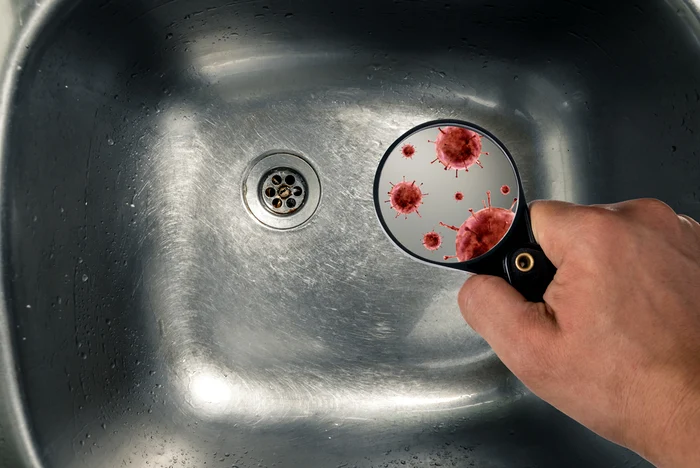
The kitchen sink gathers a number of bacteria that can cause a number of photo -diseases archive
Essential tips for a safe kitchen
To prevent food contamination and food poisoning, experts recommend some simple but efficient measures:
1. Wash your hands correctly and frequently
During cooking, wash your hands with hot water and soap for at least 20 seconds. Dry them with a clean towel, used exclusively for this purpose.
2. Do not rinse the raw meat
Washing the meat, especially the chicken, can spread dangerous bacteria through microscopic splashes. For this reason, this practice is not recommended by experts, including Dr. Siyun Wang.
3. Disinfect the surfaces
Thoroughly clean the countertops, tables and other hard surfaces using disinfectant solutions, such as:
- one spoon of bleach diluted in about 4 l of water,
- A disinfectant approved by the Environmental Protection Agency (EPA),
- or an alcohol -based spray.
Dr. Jae-Hyuk Yu, professor of bacteriology at the University of Wisconsin-Madison, recommends regular hygiene of hard surfaces with these solutions. Use protective gloves and ensure good ventilation during cleanliness.
4. Clean the monthly refrigerator
Hygiene the shelves and constantly check that the temperature in the refrigerator is below 4 ° C, to prevent and limit the development of bacteria.
5. Cook the meat at safe temperatures
Respect the USDA recommendations (US Agriculture Department) on internal meat temperatures to remove bacteria:
- 63 ° C for whole pieces of beef, pork, lamb, calf and fish (with a 3 -minute break),
- 71 ° C for minced meat,
- 74 ° C for poultry meat.
6. Use the right and hygienized utensils
To prevent food contamination, it is advisable to use plastic chopper when preparing the meat. Dr. Jae-Hyuk Yu mentions that wooden choppers can retain bacteria in cracks and pores, which makes difficult hygiene and increases the risk of cross-contamination.
Regardless of the type of utensils used, it is essential to wash them thoroughly after each use, using hot water and antibacterial soap. In addition, it is good to pay special attention to the area where the chopper can have scratches or cracks, as they can become true “shelters” for dangerous bacteria.

Wash thoroughly after each use Real Simple Photoer
7. Change and disinfect sponges and cloths
The kitchen sponges are known for their ability to house dangerous bacteria, being one of the most dirty objects in the house. Dr. Jae-Hyuk Yu warns that if you use a sponge to clean a knife or surface that has come in contact with raw meat, then use it again on other vessels or surfaces, you risk spreading pathogens that can cause food intoxication.
To reduce this risk, it is essential to sanitize the sponges daily. An effective method is to wet them well and heat them in the microwave for 1-2 minutes, which destroys most bacteria. Alternatively, you can wash the sponges in the dishwasher, using a high temperature and hot drying cycle for complete sanitation.
Despite these measures, the sponges must be replaced periodically, ideally once in one or two weeks, because over time they deteriorate and become more likely to house bacteria in cracks or pores.
A more hygienic option is represented by reusable cloths, which, if washed daily at high temperatures (over 60 ° C), can be kept clean and safe for use. However, they must also be changed frequently to prevent the accumulation of bacteria and unpleasant odors.
For maximum safety, it is advisable to have a separate set of utensils and cloths for handling raw meat and another set for other foods and surfaces.
By adopting these simple but essential habits, you will greatly reduce the risk of contamination in the kitchen and protect the family's health. A clean and sanitized kitchen is the first step towards safe and tasty dishes!