How Japan became the US banker. And why the ATM of America now displays “insufficient funds”

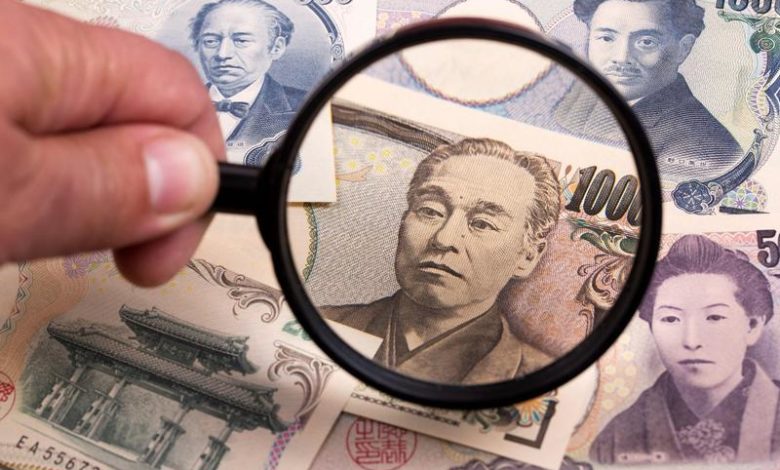
Japanese Yeni, photo: Janusz Piekowski / Alamy / Profimedia Images
For four decades, Japan quietly funded the American way of life, while her own economy stagnated. But now it's time for the account. And it's a huge one.
Japan has maintained the economic boat of America on the float line since the mid -1980s. Not out of kindness, naive, explains Market Watch. But due to such an informal agreement that no one wanted to comment or question it.
Today, the agreement is destroyed. And that's because Japan drowns in debt, his political system is paralyzed and needs money. And when your greatest creditor is preparing to retreat, it's time to worry.
The silent force that ceases to be silent
Japan holds American bonds worth $ 1.1 trillion. He is the largest foreign holder of American debt – surpassing China. But he never cried. He did not threaten, did not blackmail. Just bought. And kept the silence. The problem is that the money is silent, when they cease to be silent, it causes shakes.
Today, the public debt has reached 235% of GDP – it is as if you owe 2.3 times the annual salary on the credit card. Prime Minister Ishiba remains in power at an approval rate of 21%, after financial scandals and mistakes.
And when your creditor is both bankrupt and politically weak, the ATM of America is preparing to write “insufficient funds”.
How did America choose with the Japanese “banker”
After World War II, the US offered military protection Japan in exchange for economic cooperation. Japan was rebuilt with the accumulated dollars and with them managed to take off economically: from metal toyota toys and high -tech products.
In 1985 the second act came: the Plaza agreement. G5 decided to “break” the engine of Japan's exports by strengthening the yen. Japan signed the agreement, believing he would control it. Failed.
The yen had grown 50% in two years. If Japan converted the dollars from his surpluses to Yeni, the problem would worsen. So he did something great: he started buying American bonds. Very much.
The US continued to borrow cheap, Japan continued to export unstoppably, and everyone closed their eyes to the fact that this was a well -established “recycling game”. No one wanted to disturb the magic balance.
Why does the party end?
Today, three factors cancel this agreement:
- Demographic tendencies. The aged Japanese need reserves for pensions – not to finance the US. Investments in bonds do not bring food to the table.
- Public debt. 235% of GDP is not just a problem – it's a bomb. Japan has to increase interest rates to find buyers. And then who wants to have low -yield American bonds?
- Political instability. The Japanese prime minister is “weaker than a screwless IKEA shelf,” comments Market Watch comments. If the government collapses, the markets could panic.
New Plan: From investment debts
In this context, Masayoshi Son from SoftBank appears – Donald Trump's favorite Japanese negotiator. He proposed something radical: instead of Japan to have $ 1 trillion government bonds, not better to convert them into direct investments in the United States – in technology, infrastructure, energy? As a common US-Japan investment fund.
So, instead of zero yield bonds, there could be dividends. Shared profits. New jobs. Liquidity in real projects instead of passive debt recycling.
Problem? If Japan sells mass bonds, US interest rates will increase vertiginously. The US Treasury Secretary will have to balance as a juggler on a wide wire, but with a throat and a bomb.