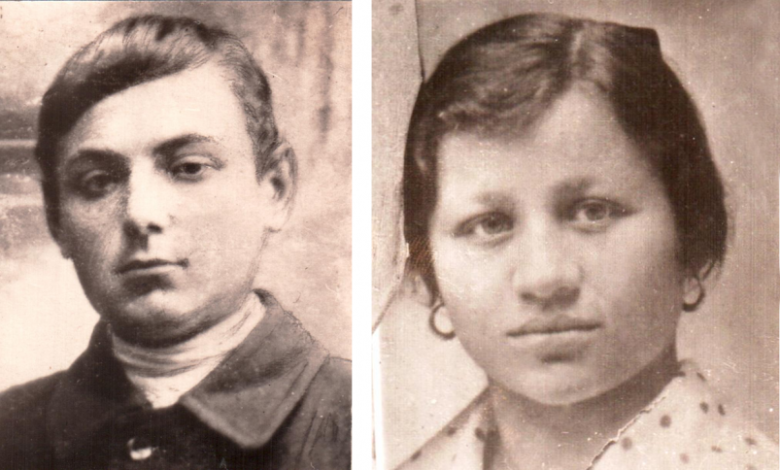
Spouses Onishchenko
Photo: Regional Library
May 13, 1919
In the book of A. Zaitsev, “Immortality of the names of the land of Volochaevskaya” (12+) and the newspaper Birobidzhaner Stern (12+) for 2019 posted information that at the Bira station (now the Obluchensky district) on May 13, 1919, the wife of Onishchenko was briskly and painfully killed.

In 1918, the forces of Japanese interventionists were pulled at the Bira station, because the village was the largest nodal station between Khabarovsk and Archara. Nikolai Onishchenko and his wife Shura did underground work among the local population.
During the Civil War and foreign intervention in the territory of the Obluchensky district, resistance detachments were organized. In Bir, Obluchye and Tikhonkoy (now Birobidzhan) underground activities were led by an employee of the Dahlovnarkom apparatus Nikolai Trofimovich Onishchenko. Onishchenko helped collect weapons for the partisans of the Kuldur detachment. He participated in the organization of the partisan detachment in the upper reaches of the river. Sagdi-Brya. Local Mensheviks on onishchenko scribbled denunciations when the Japanese captured Khabarovsk, then, entering the Bir, they first arrested Onishchenko's spouses.
On May 13, 1919, in the village of Bira, Nikolai Trofimovich and Alexander Grigoryevna were shot by interventionists.
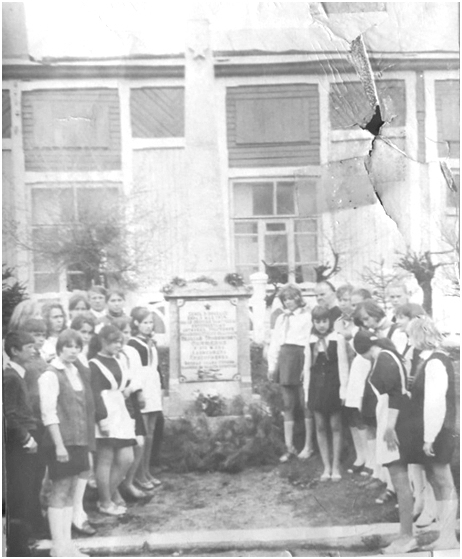
Monument to the spouses of Onishchenko. Photo: Photo: Gosarchive EAO
In memory of Onishchenko’s spouses – victims of the interventionists of the Civil War in the village. The Bira of the Obluchensky district on October 25, 1964, a memorial plaque was erected on the platform of the station, and later a monument. In memory of them, one of the central streets of the village is named.
May 13, 1949
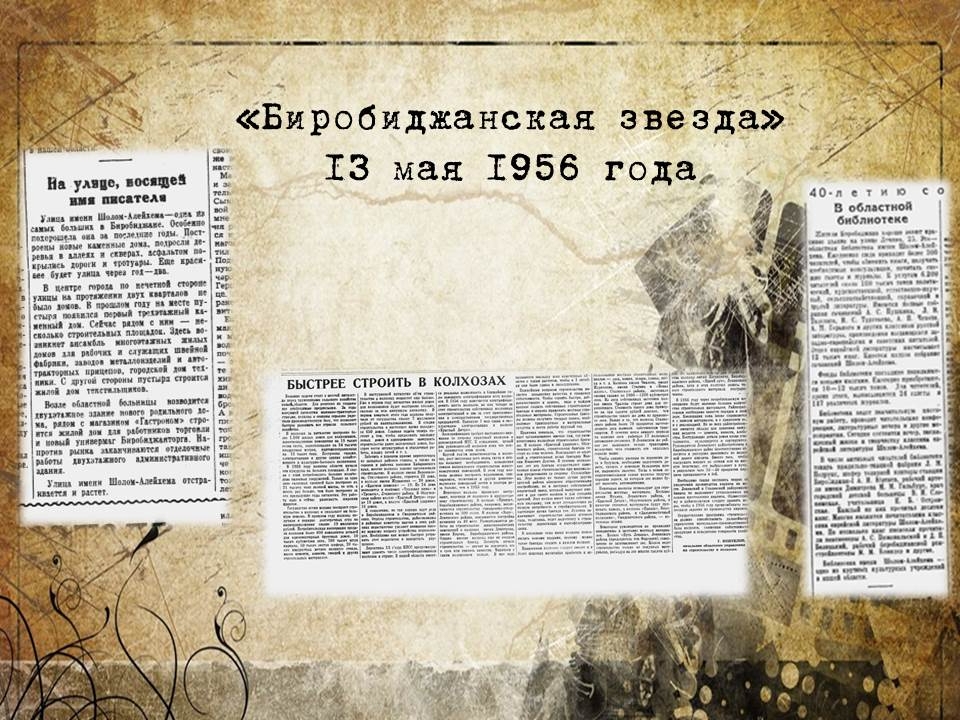
Cutting from the newspaper “Birobidzhan Star”. Photo: Photo: Regional Library
The bureau of the regional party committee discussed the issue of carrying out social services by collectives of Birobidzhan enterprises. It was noted that the team of the spinning-Kotak factory-the initiator of the pre-Maisian socialist competition-fulfilled the plan of four months to produce gross products by 140%. Good work of metal products, discouragement and others was noted.
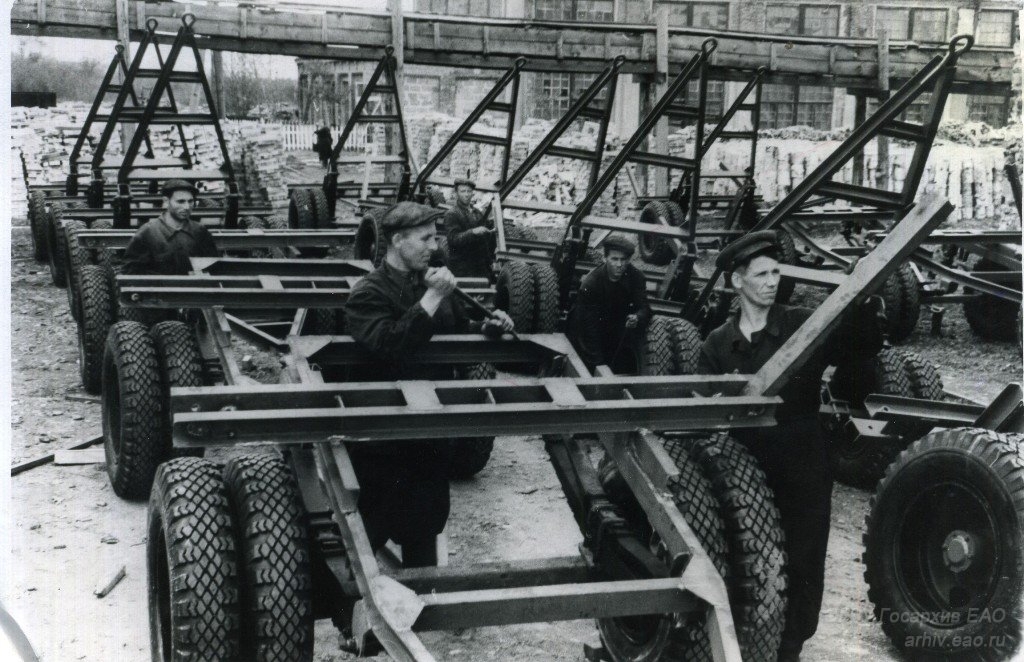
Birobidzhan Constructure Plant. 1954. Photo: Gosarchive EAO
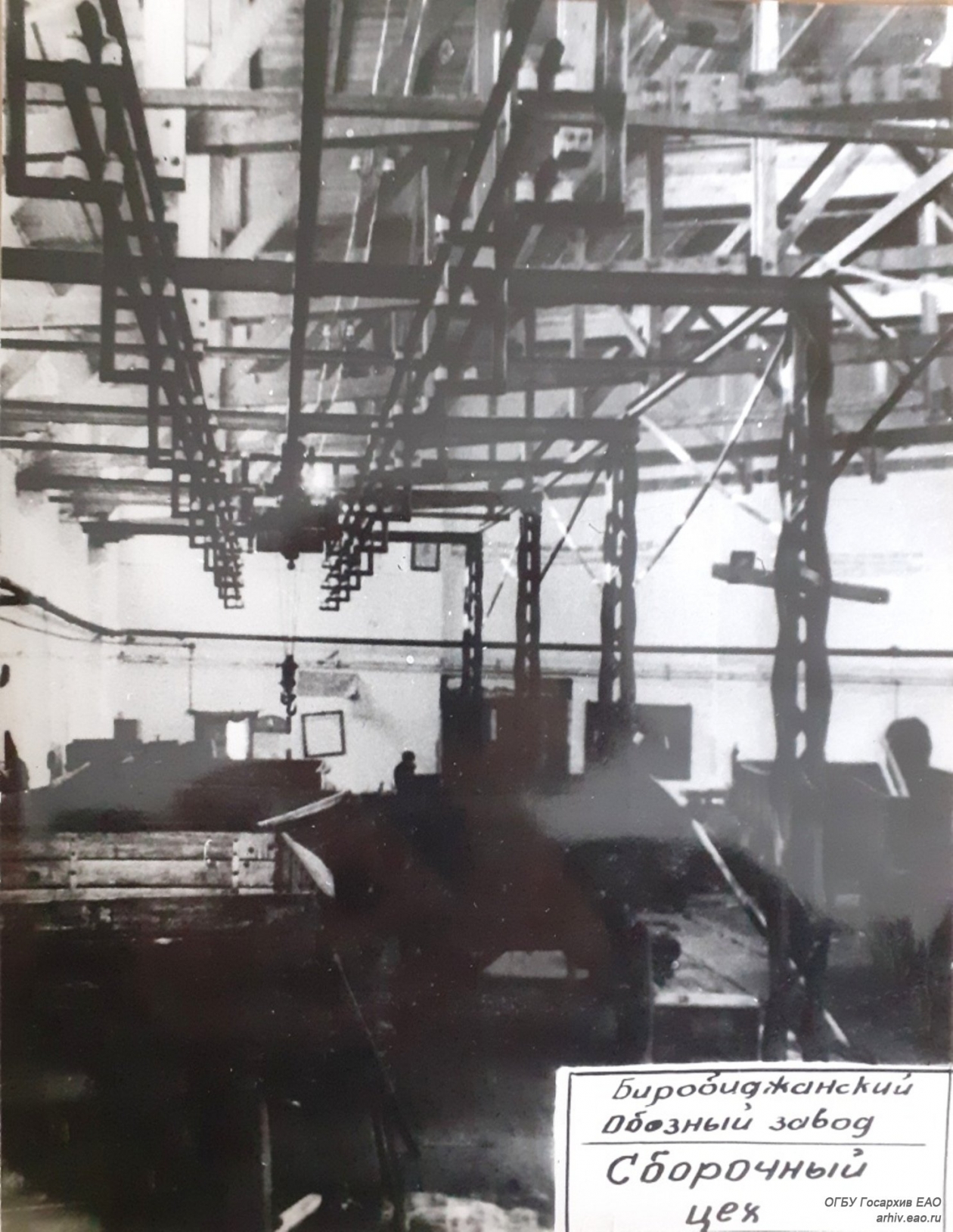
Birobidzhan Stezhdoznaya Plant. Assembly workshop. 1950s .. Photo: Gosarchive EAO
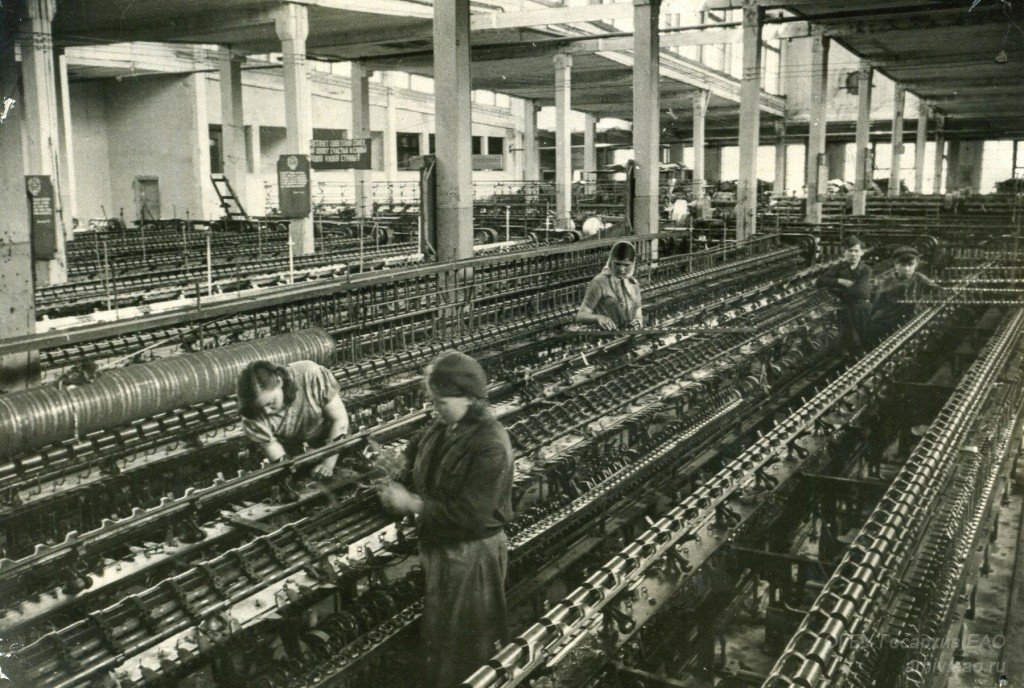
Birobidzhanskaya spinning -Kotak factory – a new building of the textile industry. General view of the watering shop. 1946. Photo: Gosarchive EAO
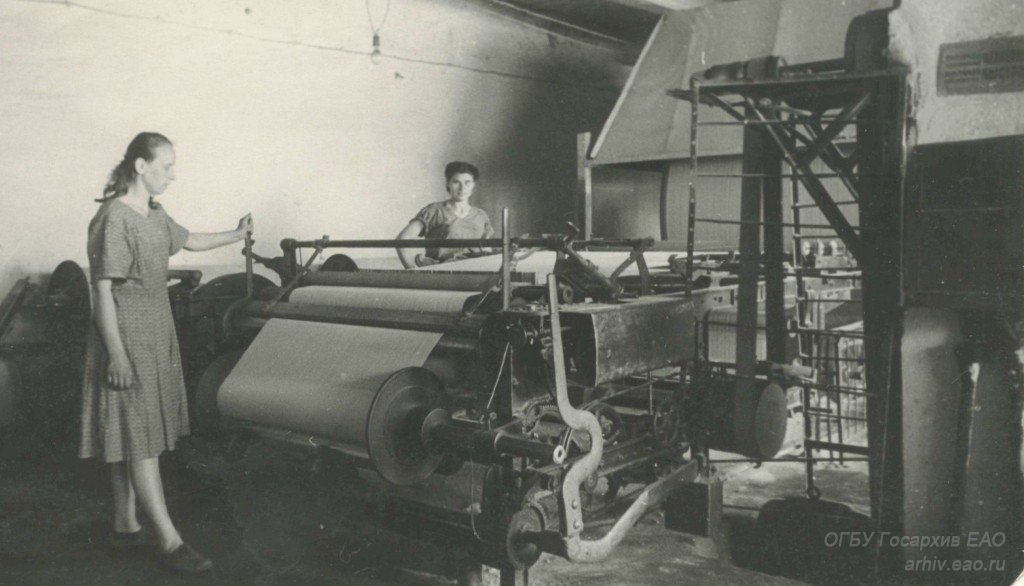
Birobidzhanskaya spinning-Kotak factory. Schlikhtykaya machine. Photo: Gosarchive EAO
At a meeting of the bureau, measures for the development of physical culture and sports were also considered during the summer sports season of 1949.
May 13, 1956
The newspaper “Birobidzhan Star” (12+) on May 13, 1956 told readers how the main street of Birobidzhan-Sholom-Aleicham is good every year. New stone houses were built, roads and sidewalks are covered with asphalt.
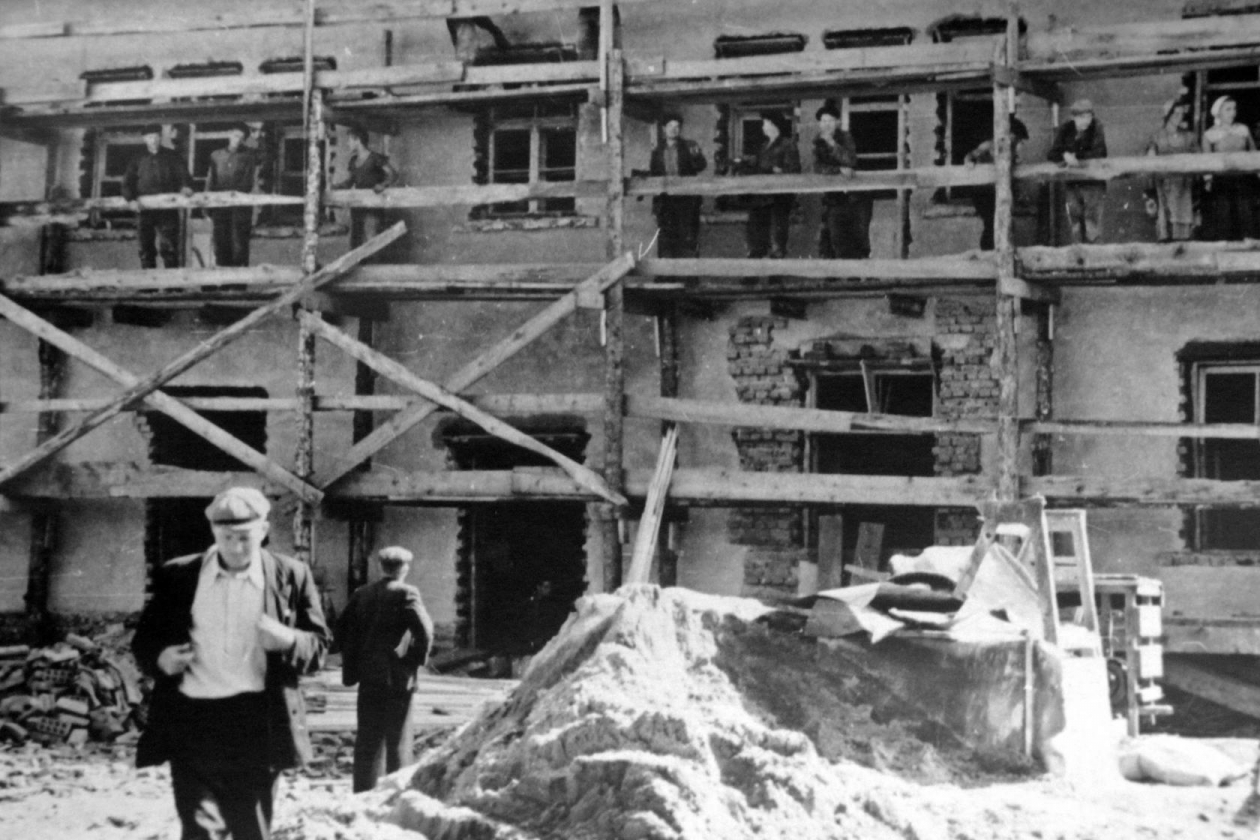
Build st. Sholom Aleichem in Birobidzhan. Photo: Gosarchive EAO
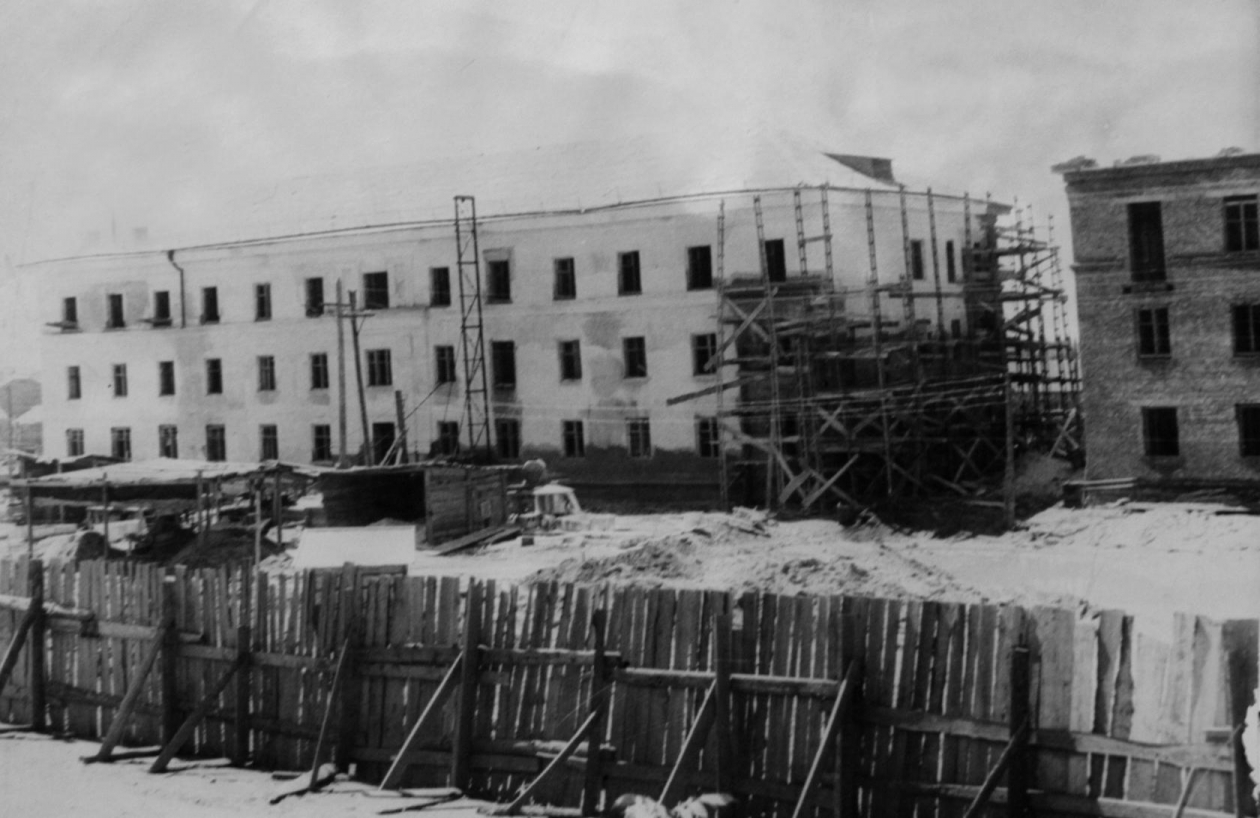
Build st. Sholom Aleichem in Birobidzhan. Photo: Gosarchive EAO
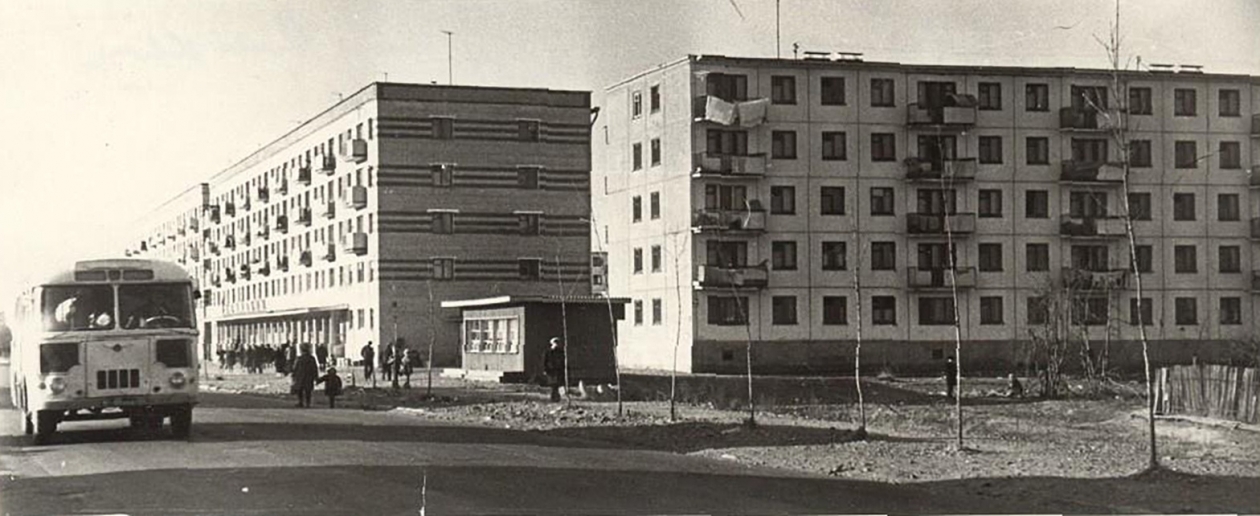
St. Sholom – Aleicham. Nameless. Photo: Gosarchive EAO
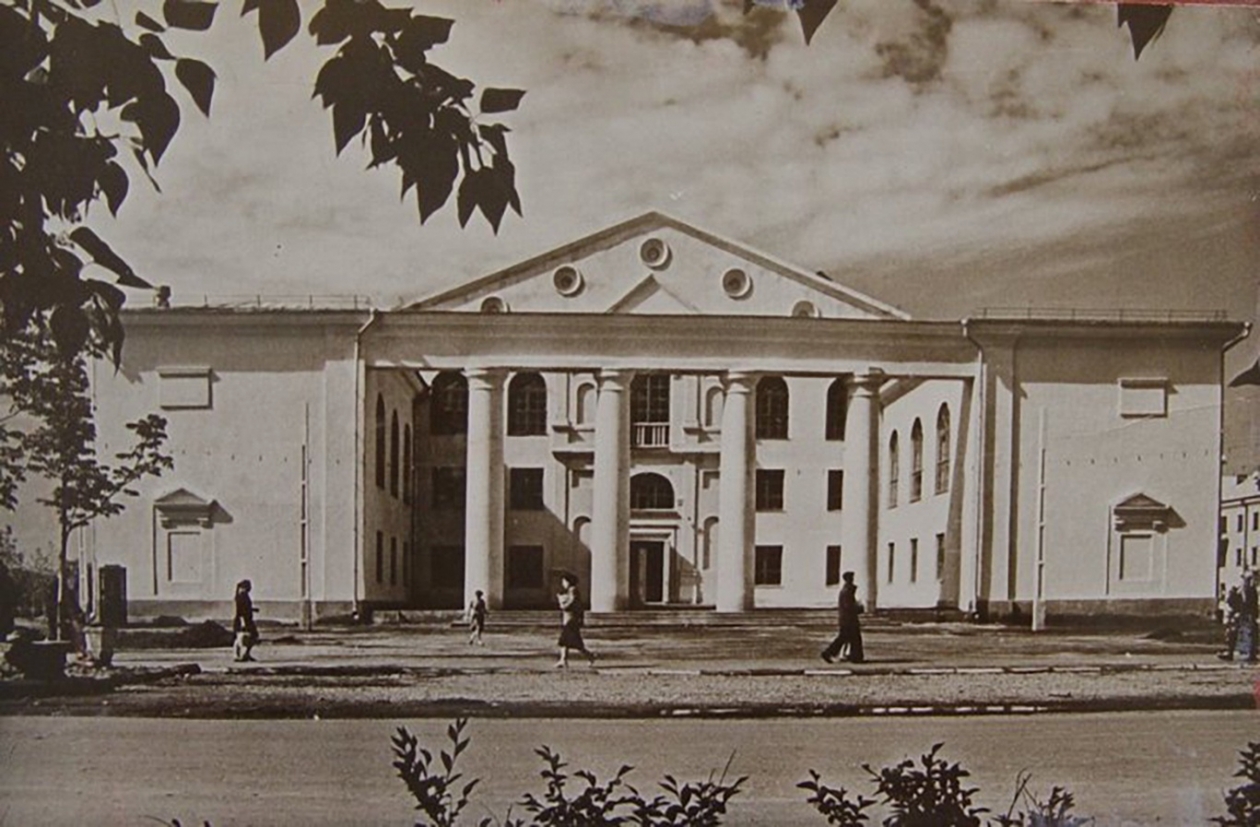
Street Shalom-Aleichem. The Palace of Culture in Birobidzhan. 1960s. Photo: Gosarchive EAO
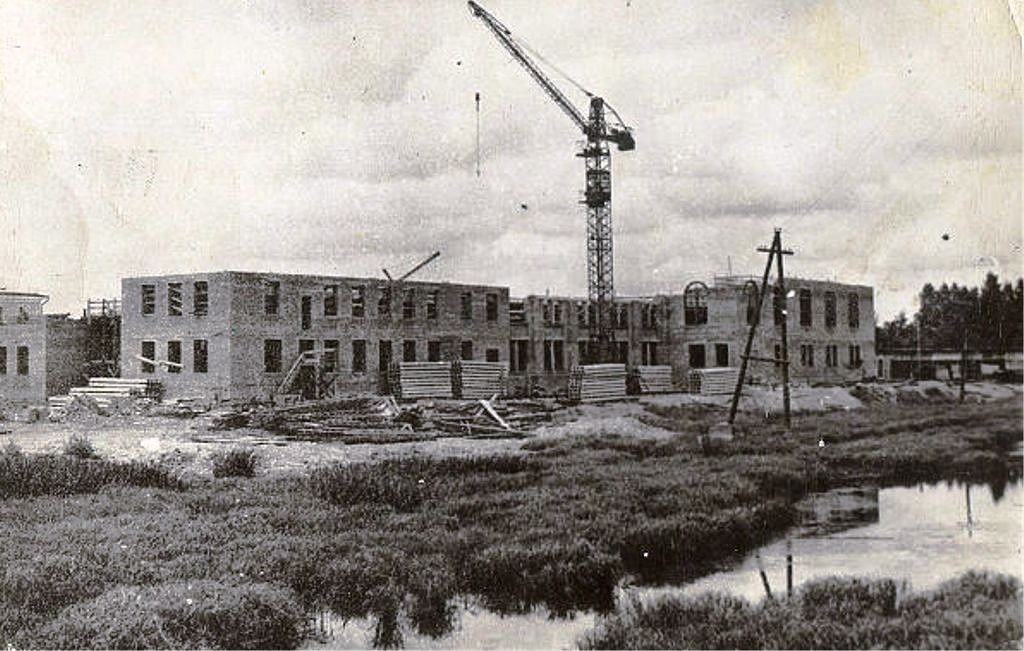
Street Shalom-Aleichem. Construction of the recreation center. The year, approximately 1961-62. Photo: Gosarchive EAO
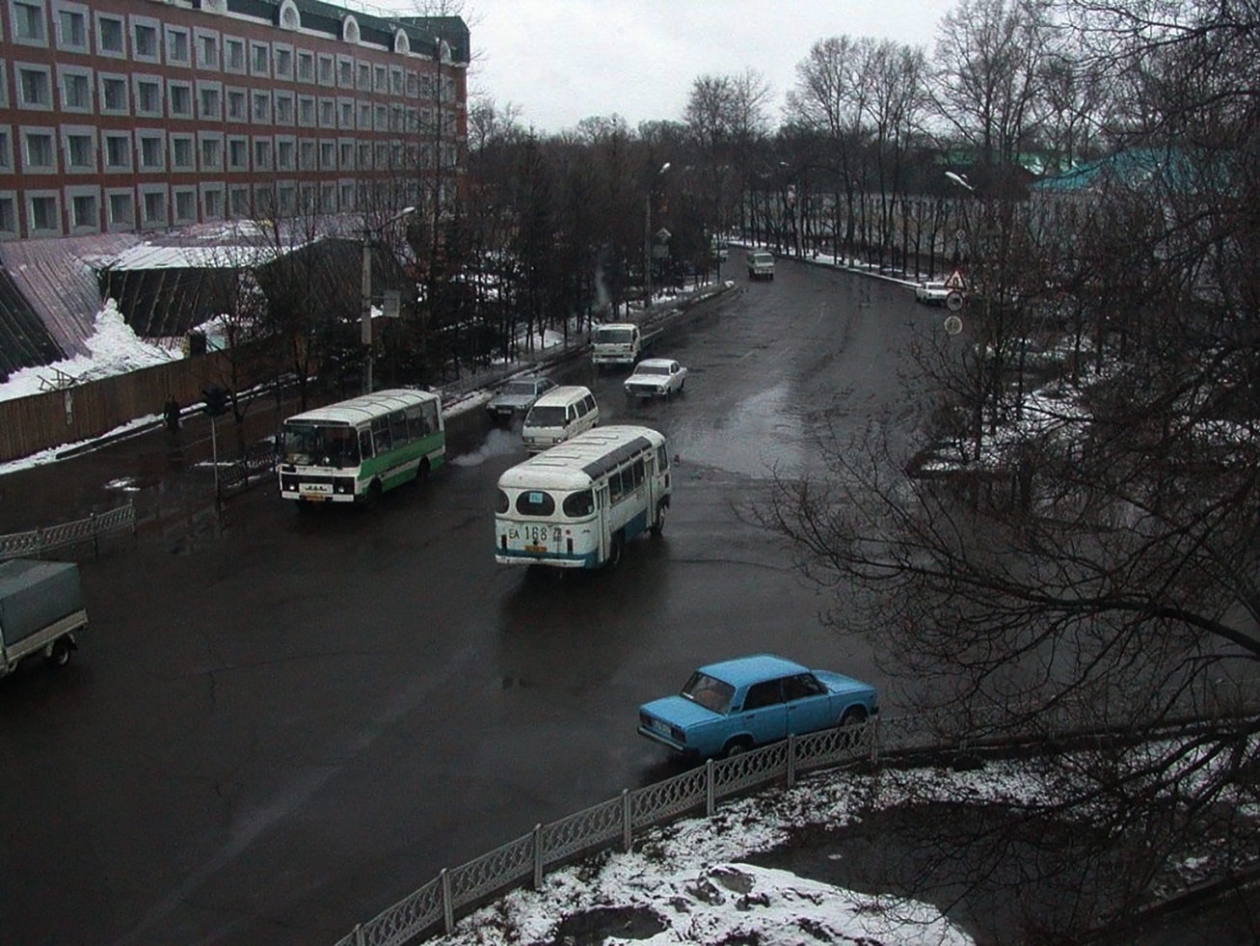
Sholom-Aleichem street. When there was no Arbat. Photo: Gosarchive EAO
“In the city center, on the odd side of the street, there were no houses for two quarters. Last year the first three -story stone house appeared on the site of the wasteland. Now there are several construction sites next to it. There will be an ensemble of multi -storey residential buildings for workers and employees of the sewing factory, metalworks and auto -trading trailers, and the city house of equipment. On the other hand, a residential is built on the other side of the wasteland. The house for the textiles.
Every year, Sholom Aleichem street is rebuilt and grows.
May 13, 1982
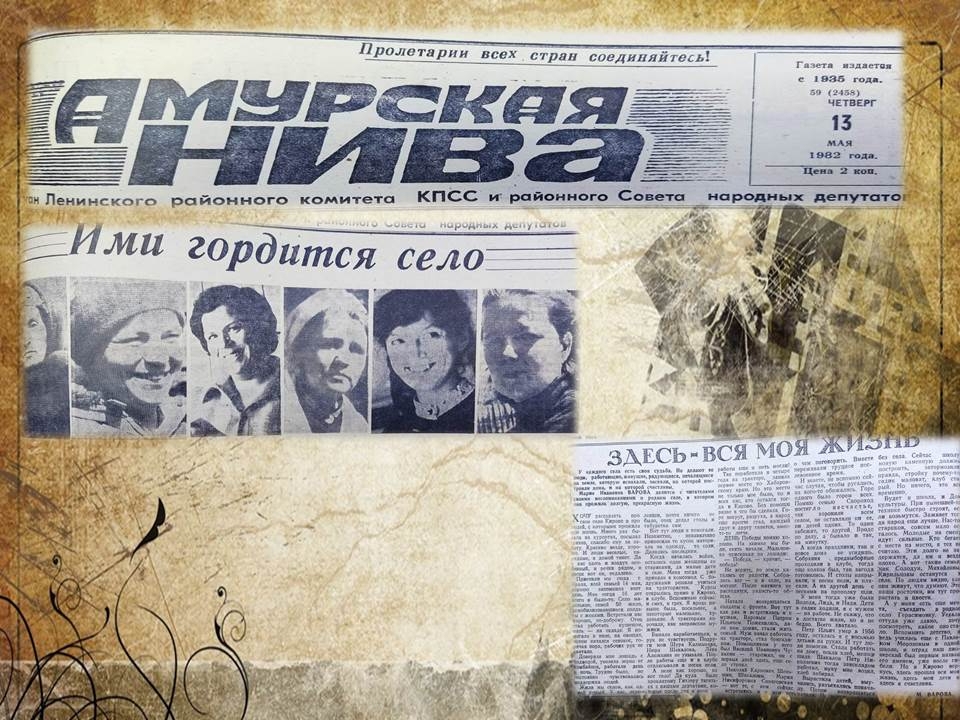
Cutting of the newspaper “Amur Niva”. Photo: Photo: Regional Library
The newspaper of the Leninsky district of the EAO “Amurskaya Niva” (12+) on May 13, 1982 on its pages wrote about advanced people of the Leninsky district. Among them are the advanced calf of the Kirov state farm – Tamara Grigoryevna Gudenko, the eldest milkmaid of the second brigade – Tamara Vladimirovna Krezo, primary school teacher of the Kirov eight -year -old school – Nadezhda Dmitrievna Fomina, the drummer of the communist labor, the seller of the food store – Valentina Prokopypynikova, the postcard of the Kirovsky Kirovskoye – Nadezhda – Nadezhda – Nadezhda – Nadezhda – Nadezhda Dmitrievna Nikolaeva.
In the second lane of the newspaper there is information about the village of Kirovo, in which people of different nationalities live, these are Russians, Moldovans, Ukrainians, Jews, Belarusians, Tatars, in total, 700 people live and work in the village.
Maria Ivanovna Varova shares her memories of her native village with readers, in which she lived a long life, came from the Urals when she was 16 years old.