Oil prices experienced a decline on Friday afternoon, influenced by reports suggesting a potential release of diesel and crude reserves. The market is also assessing the ongoing military conflict in the Middle East.
As of midday Friday, U.S. West Texas Intermediate (WTI) crude oil prices fell by 3.8% to approximately $89.40 per barrel. Meanwhile, the price of European Brent crude dropped by 2.4% to $99.80, dipping below the $100 mark after a spike on Thursday. European futures contracts for diesel, which serve as a benchmark for fuel prices, decreased by about 5% to $1,380.50 per ton.
“The entire energy sector is seeing a drop, led by diesel as EU countries discuss releasing fuel and crude reserves to alleviate severe supply shortages and avoid a potential ban on diesel exports from the U.S.,” stated Ole Hansen, head of commodity market strategy at Saxo Bank.
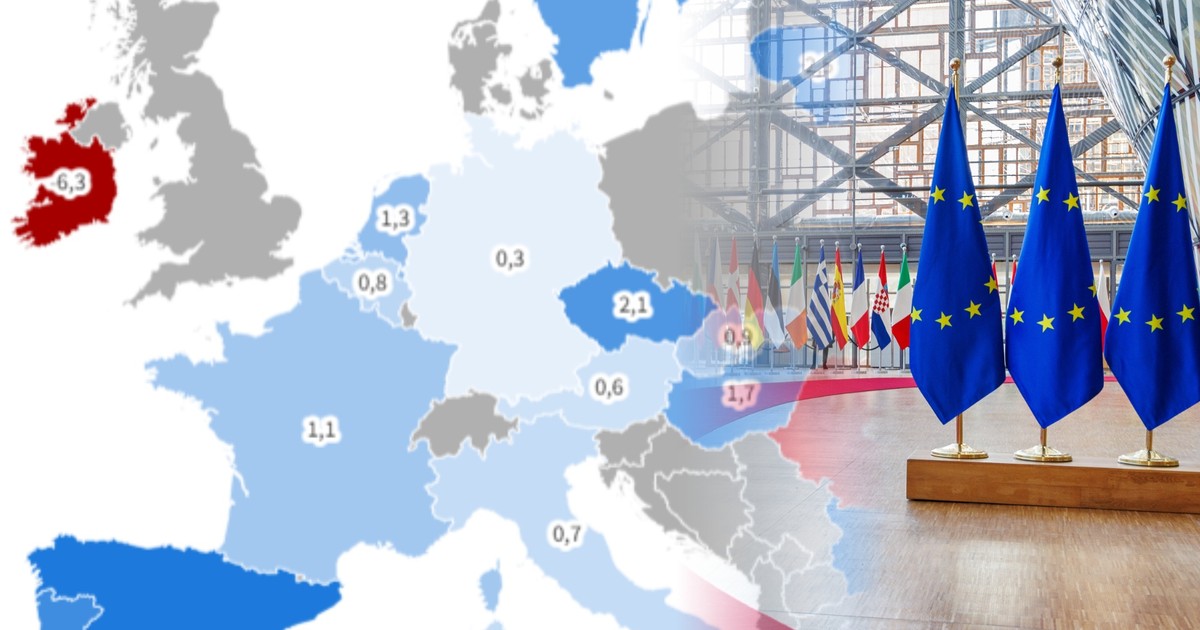
European Union representatives convened in Brussels on Friday to discuss a French proposal for the release of additional diesel reserves from EU countries. This move responds to the recent ultimatum from Donald Trump. According to reports from Reuters, G7 leaders are expected to address this issue later in the afternoon.
A source cited by Reuters indicated that during the Friday discussion, EU government representatives considered a proposal for member countries to release 50 million barrels of diesel, alongside 50 million barrels of crude from the International Energy Agency.
Hansen noted that the EU initiative highlights that the primary challenge in the energy market is no longer crude oil availability—thanks to recovering supplies from the Middle East—but rather the supply of refined products, which is hampered by reduced refining capacities and output in the Middle East and Russia.
The market is also analyzing mixed signals regarding the developments in the Middle East conflict. “More favorable prospects for Saudi exports are being offset by reports of another U.S. aircraft carrier heading toward the Persian Gulf and China’s decision to limit exports of refined oil products,” assessed Tim Waterer, chief analyst at KCM Trade.
Concerns over the availability and transportation of oil and refined products from the Middle East to the rest of the world continue to dampen market sentiment. “Investors are increasingly factoring in scenarios where supply chains remain vulnerable to disruptions for an extended period,” noted Priyanka Sachdeva, head of market analysis at Phillip Nova.